




Geoff’s Translation
GIST
Health Rising recently covered two big complex studies – one from the Lipkin group and the DecodeME genetic studies – and now here’s the BioMapAI study “AI-driven multi-omics modeling of myalgic encephalomyelitis/chronic fatigue syndrome” which uses a very different approach. The authors are very high on this unusual study.
“BioMapAI provides unprecedented systems-level insights into ME/CFS, refining existing hypotheses and hypothesizing unique mechanisms—specifically, how multi-omics dynamics are associated to the disease’s heterogeneous symptoms.”
“This study represents a substantial technical and biological advance over our previous work and other investigations of ME/CFS to date.”
“We hope that the unprecedented (there’s that word again) systems-level resolution of our dataset, algorithm, and analyses will contribute to filling out heretofore unknown links between these factors thus explaining some of the disease heterogeneity in this important disease.”
Then, again, it’s quite the study. For one thing it’s drenched in “AI”, and an innovative AI approach at that.

This study assessed large amounts of data to see if it could find linkages between different systems.
The authors state: “We further introduce an innovative AI approach that begins to address the multifaceted nature of this chronic disease”. They emphasize that the study is not about finding the cause – it’s about understanding ME/CFS as it exists right now in the patients’ bodies. This study threw immense amounts of data together to valid prior findings and generate “unique hypotheses” that should be explored further.

Addressing the “multifaceted nature” of ME/CFS is, of course, the holy grail. ME/CFS has so many moving pieces that perhaps the great question in this disease is how to put them together, which brings us to AI. Finding patterns that no one else can see is one thing AI is really good at.
The study was funded by a series of NIH grants to Julia Oh (first senior author) and Unutmaz (second senior author). The authors also included Suzanne Vernon and Lucinda Bateman from the Bateman Horne Center.
It was good to see Suzanne Vernon – a pioneer in this area – on this study. Back in 2006, she produced one of the first large efforts in any disease to attempt to integrate large amounts of data together (epidemiological, clinical, laboratory, and gene expression data) to build a disease model for ME/CFS. (One of the papers resulted in Wang’s muscle findings.)
That was almost 20 years ago, and how things have changed. This 249-person, 4-year study incorporated gut metagenomics, metabolomics, immune cell profiling, blood laboratory data, and clinical symptoms. The study was able to accomplish what few other studies have – follow a large number of participants (154 ME/CFS, 96 healthy controls) over a 3-4 year period.
The GIST
-

The effects gut bacteria have are at the heart of this paper.
The BioMapAI paper presents an innovative and unique AI approach that begins to address the multifaceted nature of ME/CFS. The 249-person, 4-year study incorporated gut metagenomics, metabolomics, immune cell profiling, blood laboratory data, and clinical symptoms. It assessed how metabolic pathways in the gut affect the metabolites, immune system, etc.
- A broad dysregulation of the adaptive (later) immune response involving B and T-cells appears to be present.
- Instead of protecting the gut, the gut flora, or microbiome, in ME/CFS appears to have triggered immune cells to attack the gut lining.
- Activation of the kynurenine pathway in ME/CFS was associated with cytotoxic and inflammatory immune cells attacks on the gut lining. The lipid (fats) in ME/CFS appear to be associated with gut lining attack as well.
- Reduced butyrate and branched chain amino acid levels suggest that the gut environment in ME/CFS has been shifted from an energy-secure, Treg-protected one to an energy-stressed, Th17-skewed, inflammatory one.
- A key gut /liver interaction has come undone in ME/CFS, resulting in impaired lipid metabolism, and possibly damaged cellular membranes, more reactive oxygen species (free radicals), and problems with mitochondrial function. functioning.
- As time goes on, the disease appears to become more entrenched, with more biological pathways becoming dysregulated.
- For your entertainment…ChatGPT 5.0’s analysis of findings from this paper, the recent Lipkin paper, and the DecodeME paper suggest that the findings cohere and support each other.
- ChatGPT 5.0 proposed that, based on these three papers, the top three issues driving ME/CFS are butyrate depletion in the gut, reduced acylcarnitines (low energy) and impaired redox (antioxidant system), which both cause and amplify the energy problems.
Dr. Ruoyun Xiong created the BioMapAI – an “explainable supervised deep neural network (DNN)” program. Deep neural networks use many “hidden layers” to capture complex relationships that would otherwise be missed.
The authors stated: “This study generated among the most extensive paired multi-omics datasets for ME/CFS to date”. The paired part is the key. Most multi-omics data sets pool genomics, metabolomics, etc., data from many individuals and then attempt to assess the connections between them.
In contrast, paired multiomics studies assess all the “omics” data from each individual first, and then compare the findings of that individual to those of other individuals. Using pairing, you could determine, for instance, if a change in the expression of a gene results in the production of the protein that gene makes or if a metabolic shift within that individual results in the increased production of inflammatory markers.
Ultimately, pairing is a much more precise and powerful way of doing “systems biology”; i.e., understanding how the different systems of the body are working together.
The study aimed to identify biomarkers associated with symptoms and create maps that illustrate how the gut, immune, and metabolic systems interact in ME/CFS.
The analyses they used are far, (far) beyond my understanding. Suffice it to say it went far beyond most machine learning projects, that it followed a lot of people over 4 years, and assessed a large amount of gut, immune, metabolomic, and immune cell data to see if they could build a comprehensive model of ME/CFS.
Gut Bacteria
The effects gut bacteria have are at the heart of this paper.
The effects gut bacteria have on other systems are at the heart of this paper. The researchers started by identifying harmful microbial/microbiome/gut networks. Then they mapped the metabolic pathways found in them to plasma metabolites and immune cells.
It makes sense to start at the gut as it (and the liver) are the first places where food and toxins are processed and where many metabolic pathways begin.
Notice how familiar the most prominent metabolites (short-chain fatty acids, tryptophan catabolites, bile acid derivatives, etc.) produced by the gut bacteria are. The fact that short-chain fatty acids, tryptophan catabolites, and bile acid derivatives have all been implicated in ME/CFS suggests that gut issues are having a real impact.
One-Two Punch
The key with these big “omics” studies is to validate a finding by having it show up in two different areas. For instance, in this study, the researchers identified the metabolic pathways active in harmful gut networks and then examined whether the metabolites or immune factors associated with those pathways were present. The metabolites and immune findings, in other words, are the reality check. Once you get that one-two punch, you know you’re onto something.
Results
Please note that I used ChatGPT extensively in this blog. I asked it to explain the findings from the paper, which are seen in quotes at the head of each section of the blog.
“Based on BioMapAI’s predictions and subsequent network analyses, we propose that some of the disease-specific changes in ME/CFS arise from disrupted associations between the gut microbiome, immune system, and metabolome.” The authors
Note that it’s not the gut microbiome or the immune system or the metabolome – it’s the broken/pathological associations between these systems that are, at least in part, driving these diseases. In the end, the systems are just not interacting properly.
“Broad dysregulation of the adaptive immune response”
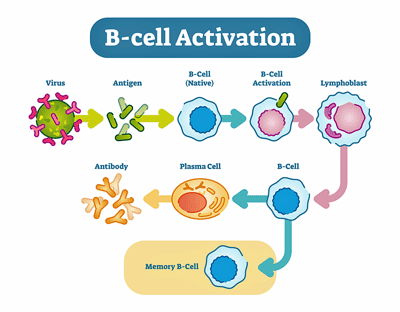
Dysregulation of the immune system – particularly the B and T-cells – was associated with many symptoms.
It was interesting to see the immune cells take precedence, as the study was very gut-oriented. This is the only finding, though, that’s solely focused on immune cells.
“Increased B cells (CD19+ CD3−), CCR6+ CD8 memory T cells (mCD8+ CCR6+ CXCR3−), and CD4 naive T cells (nCD4+ FOXP3+) in patients were associated with most symptoms, suggesting a potentially broad dysregulation of the adaptive immune response.”
At this point, it’s somewhat challenging to identify an immune cell that hasn’t been associated with ME/CFS; however, the B and T-cells have certainly been leaders. The authors stated that “a broad dysregulation of the adaptive (later) immune response” is potentially present.
This suggests: a) chronic immune activation is present; and b) an attempt is also being made (FOXP3+) to rein the system in. This type of pattern typically occurs when chronic immune activation – an infection, autoimmune response or some other type of stimulation – is present.
This isn’t a new finding but it does highlight the central role B-cells may be playing in this disease.
Altered Associations
We begin to see healthy connections breaking down…
“Healthy control-derived interactions, such as the microbial pyruvate module associating with multiple immune modules, and connections between commensal gut microbes (Prevotella, Clostridia sp., Ruminococcaceae) with Th17 memory cells, plasma steroids, phospholipids and tocopherol (vitamin E) were disrupted.”
Instead of maintaining homeostasis, the gut bacteria in ME/CFS are enhancing inflammation.
In healthy people, interactions between gut microbes and the immune system, steroids, lipids, etc., help to maintain homeostasis and health. Those interactions or connections have come undone in ME/CFS.
The broken pyruvate interaction may be particularly telling since it affects two metabolites that appear to play an important role in ME/CFS: butyrate and small-chain fatty acids. Pyruvate should also regulate the TH17-Treg interaction, which we’ll see has been upended in ME/CFS as well.
The commensal gut bacteria (Prevotella, Clostridia sp., Ruminococcaceae) normally affect steroid hormones, the lipids, and regulate the immune system so that it protects the gut lining but does not injure it.
That’s not happening in ME/CFS. Instead of protecting the gut lining, these gut bacteria appear to be having the opposite effect, resulting in more damage to the lipids and the gut lining resulting in fatigue, mood and sleep issues.
A Profound Imbalance
“Increased correlations between gut microbiome and mucosal/inflammatory immune modules, including CD8+ MAIT and IFN-γ+ CD4 memory cells, suggested an increased association with microbiome and inflammatory elements in ME/CFS.”
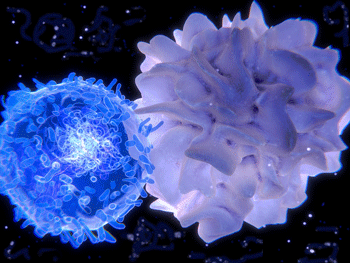
Hyperactive T-cells appeared to be attacking the gut lining. (T-cell in blue)
The gut microbiome in ME/CFS overall was associated hyperactive CD8+ MAIT and IFN-γ+ CD4 memory cells. MAIT cells are especially abundant in mucosal tissues lining the gut and lungs. When properly activated, they provide a first line of defense against bacteria and fungi and also protect against viruses. When overly activated, though, they can produce inflammation and have been associated with autoimmune diseases.
Again, it appears that the microbiome in ME/CFS has turned these formerly protective cells into purveyors of inflammation and possibly autoimmunity. Plus, in Unutmaz’s explanation, below, we see another connection that is going to pop up several times in this study – tryptophan. From Derya Unutmaz:
“MAIT cells bridge gut health to broader immune functions. Their disruption alongside butyrate and tryptophan pathways, normally anti-inflammatory, suggests a profound imbalance.”
A Central Hub? The Tryptophan Pathway Goes South
“For example, increased tryptophan metabolism, associated with gastrointestinal issues, lost its negative association with Th22 cells, and gained correlations with γδ T cells and the secretion of IFN-γ and GzA from CD8 and CD8+ MAIT cells.”
The recent Lipkin group paper highlighted the tryptophan pathway – and here it shows up in a microbiome oriented study. Because tryptophan is considered a “hub connector” that potentially links gut, immune and mitochondrial pathways together,a disruption in this pathway could play a core role in this illness.
This study found that tryptophan metabolism was directed down the inflammatory and neurotoxic kynurenine pathway (and away from serotonin) in the ME/CFS patients.
Because Th22 cells play an important role in defending the gut lining, the loss of the normal association with the tryptophan pathway means more problems with the gut lining…
That’s an expected outcome with kynurenine pathway activation, but in ME/CFS patients, something extra is added. The aberrant tryptophan pathways are also associated with cytotoxic and inflammatory immune cells attacking the gut lining; i.e., an already bad situation just got worse. This scenario could result in chronic gut inflammation, leaky gut, and ultimately, as the gut materials leak into the bloodstream, systemic inflammation.
Plus, this pattern could also result in NAD+ depletion and a disruption in the TCA cycle which feeds the electron transport chain (oxidative phosphorylation)
Gut Lining Under Attack Again
“Plasma lipids had more correlations with γδ T and CD8+ MAIT cells”
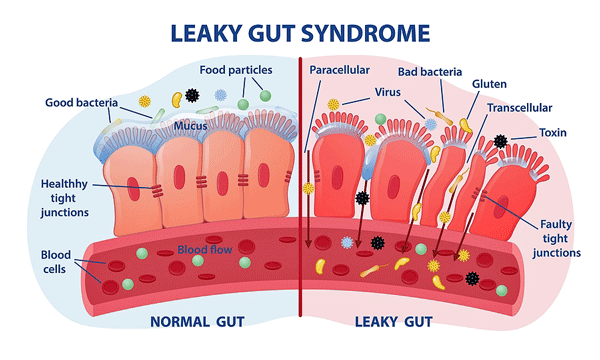
The microbiome in ME/CFS patients appeared to have turned immune cells to attack the gut lining.
If that wasn’t enough, we saw more correlations pop up with these bad immune actors. It appears that the lipids (fats) found in ME/CFS patients’ plasma are also triggering immune cells to attack the gut lining. This study suggests both the tryptophan pathway in the gut and lipids in the plasma help trigger an attack on the gut lining.
Energy-Stressed Gut Environments
“Networks associated with emotional dysregulation and fatigue exhibited decreased butyrate production and BCAA biosynthesis and opposite correlations with Th17 and regulatory T cells (Treg cells) in the ME/CFS patients.”
From the first gut metabolomics studies in ME/CFS, low butyrate levels have stood out. We generally think of butyrate as a key gut lining protector, but it also supports the mitochondria and the antioxidant system.
The decreased branch chain amino acids (BCAA) feed the Krebs/Citric/TCA cycle (which then feeds the oxidative phosphorylation, which produces ATP). Low BCAA levels, then, can result in reduced energy levels and fatigue.
The reduced butyrate/BCAA levels seen in the ME/CFS patients’ guts are also, as the prior findings were, associated with immune changes that enhance inflammation. They suggest that the gut environment in ME/CFS has been shifted from an energy-secure, Treg-protected one to an energy-stressed, Th17-skewed, inflammatory one.
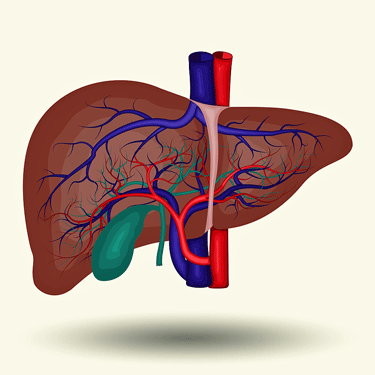
An important gut/liver interaction was off.
Gut/Liver Network Flipped?
“Additional health-associated interactions between microbial benzoate metabolism and various plasma metabolites (for example, lipids, glycerophosphoethanolamine, fatty acids, and bile acids) we hypothesized are also diminished or reversed in ME/CFS.”
The benzoate produced by gut bacteria is turned into hippurate in the liver. Hippurate “improves” lipid metabolism, resulting in increased cell membrane integrity, mitochondrial function, and circadian/metabolic tone.
That doesn’t appear to be happening in ME/CFS, though. With hippurate no longer contributing to lipid metabolism, however, damaged cellular membranes, more reactive oxygen species (free radicals), and problems with mitochondrial functioning are likely to show up. Indeed, we have already seen lipid problems pop up.
Specific Gut Bacteria
“The species model highlighted the correlation of Dysosmobacteria welbionis and butyrate metabolism. The metabolome model categorized increased levels of glycodeoxycholate 3-sulfate, a bile acid, and decreased vanillylmandelate, a catecholamine breakdown product”.
Dysosmobacter welbionis J115T turned out to be an important gut bacterium, indeed. Here, we have a notable link between a reduction in gut bacteria in ME/CFS patients and an accompanying alteration in bile acids, as well as two metabolites (butyrate and vanillylmandelate).
Reductions in Dysosmobacter welbionis J115T tie in with the reductions in – there it is again – butyrate, as well the inflammatory immune changes we’ve seen (reduced Treg/ increased inflammatory Th17), as well as increased gut barrier “fragility”, and, once again, increases in reactive oxygen species.
The increased levels of the bile acid could tie up CoA/ATP – producing more stress on the mitochondria, and the decreased catecholamine levels could translate into gut–brain/autonomic dysregulation.
The Faecalibacterium prausnitzii dilemma
“A biphasic relationship was observed in the association of Faecalibacterium prausnitzii with pain, whose saddle curve had a mixture of positive and negative contribution peaks meaning that either abnormally low and high relative abundances could be associated with pain severity.”
Things got more complicated when it came to F. prausnitzii – a key butyrate producer. Higher F. prausnitzii levels should result in more butyrate, tighter gut junctions, a more balanced immune system, and less pain, but in ME/CFS, higher F. prausnitzii levels were associated with more pain.
This could be caused by several reasons. FP levels in the fecal matter might be high, while those in the gut lining might be very low. FP “blooms” in an unbalanced gut might throw other parts of the gut off, or FP might look high relative to other bacteria, but if the gut microbiome is really off, it might not be.
In any case, it appears that there’s a sweet spot for F. prausnitzii in ME/CFS; neither too high or too low.
Duration Matters
While the study was only 4 years long it suggested that as time goes on the disease state deepens and more breakdowns occur.
“Our data indicate these biological disruptions become more entrenched over time. That doesn’t mean longer-duration ME/CFS can’t be reversed, but it may be more challenging.” Dr. Unutmaz
Solid Findings
The senior lead author, Dr. Oh, pointed out the findings were solid.
“Despite diverse data collection methods, common disease signatures emerged in fatty acids, immune markers, and metabolites, That tells us this is not random. This is real biological dysregulation.”
The team plans to make their dataset and BioMapAI platform widely available.
Overview

This study was about opening up new arenas to explore.
Studies like this don’t provide answers so much as new arenas to explore. This study could be providing answers; i.e., it could be describing interactions that make a huge difference in ME/CFS. We just won’t know until the findings are tested.
For now, they’ve dug more deeply into the interactions the microbiome has with other systems in ME/CFS than anyone has before. They indicate that the gut environment in ME/CFS and how it interacts with other systems has been dramatically shifted.
Instead of being protective, the gut microbiome in ME/CFS is now promoting inflammation and negatively impacting factors that play a role far beyond the gut, such as the steroid hormones, lipids, and mitochondrial functioning.
The microbiome, the lipids, the tryptophan pathway, and the reductions in Dysosmobacter welbionis J115T all appear to be triggering inflammatory immune cells to attack the gut lining.
Decreased butyrate and branched-chain amino acids suggest that an energy-stressed, inflammation-skewed gut environment is present.
The odd finding – that higher levels of the protective bacteria F. prausnitzii are associated with more pain – indicates how discombobulated the gut environment has become in ME/CFS.
The fact that the breakdowns in the microbiome-metabolic networks were associated with more severe fatigue, emotional disturbances, and sleep problems suggests that the microbiome problems in ME/CFS are affecting the brain.
Many of these present unique linkages that have not been seen before and can be tested.
Treatment
Treatment suggestions were general and included tailored probiotics, anti-inflammatory therapies, immune-modulating drugs that target the hyperactive immune cells, or diet interventions guided by specific microbiome and metabolome profiles. (See the bottom of the blog for a few ideas).
Connections, Connections…the Lipkin Group’s Recent Paper
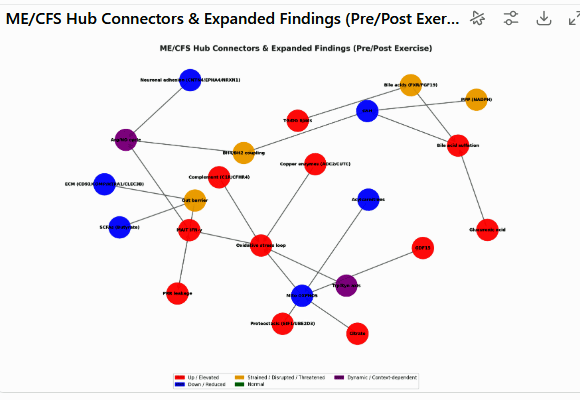
Possible connections given data from the Oh and Lipkin group’s study – courtesy of ChatGPT 5.0. Purple = Dynamic (changes pre→post exercise, e.g., Trp/Kyn, ORN:CIT ratios).
Red = Elevated, Blue = Reduced, Orange = Strained/Disrupted/Threatened, Green = Normal.
For your entertainment! Next, I asked ChatGPT how these findings from this paper interacted with the findings of the recent Lipkin group’s study. Whether all of this is correct is way, way, WAY beyond my pay grade. I simply present its findings as interesting data points.
The two studies differ significantly: one focused on the microbiome’s interactions with various systems, while the other assessed metabolomic, proteomic, and immune cell activity before and after exercise and immune stimulation. A finding that the results of these studies complement each other would be a good thing, given their very different thrusts.
- Immune Findings – ChatGPT 5.0 believes that the immune findings from the Lipkin study (↑ CXCL5, GM-CSF, IL-1β, IL-2, IL-6, IL-8, IL-23, IFN-γ, IL-13, IL-17, TNF-α (baseline) → PRR→IL-12/IL-18 priming (#17) and Oxylipin–cytokine axis (#18)) support the Oh study findings of a Th1/Th17-skewed (pro-inflammatory) mucosal-innate program associated with gut lining attack, MAIT T-cell activation and reduced butyrate.
- Extracellular Matrix (connective tissue) – the Lipkin study’s finding of ECM/vascular remodeling fragility is consistent with the problems of intestinal barrier integrity found in the Oh study.
- Tryptophan/Kynurenine pathways – both studies suggest kynurenine pathway activation and accompanying inflammation.
- Acylcarnitines/Butyrate connection – the low acylcarnitines and reduced mitochondrial activity in the Lipkin study align with the Oh study’s finding of low butyrate levels and a system under systemic energy stress.
- Lipids – both papers suggested that problems with lipid handling/transport exist. The Oh paper found that normal interactions between the microbiome and lipids are gone in ME/CFS, while the Lipkin group’s paper found dysregulated levels of triglycerides/acylcarnitines.
The Decode ME GWAS Study?
Next, I asked ChatGPT 5.0 to add in results from the Decode ME/CFS GWAS genetic study – leaving us with a model that incorporates the microbiome-oriented study, the proteome/metabolome/immune exercise study, and a genetic study. I asked ChatGPT 5.0 whether the findings from the GWAS study “contribute or not to our model”.
The analysis did not find anything to contradict the model being built. If anything, its findings appeared to enhance the innate immune hyperactivity and “trained immune responsiveness” found, and the problems with “barrier integrity” (aka intestinal barrier). One finding (chr6p22.2) was labeled a “great fit” to immune findings from both the Oh and Lipkin studies. Another “gene significant loci” fit well with the Lipkin study’s finding of post-exercise nervous system dysregulation.
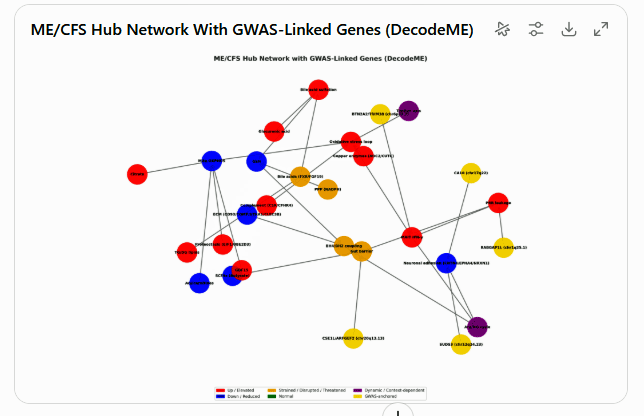
ChatGPT model of Lipkin/Oh/DecodeME results.
That’s pretty complicated, so I asked it what it thought were the hottest, i.e., most determinative nodes of its model? In other words, what did these three studies suggest was most likely to cause this illness?
It proposed three top tiers of problems were present.
- Butyrate depletion in the gut produced both the gut barrier leak + mucosal immune skew. Without restoring SCFAs, the cascade self-perpetuates. Results in systemic inflammation and affects the gut-brain axis.
- Reduced acylcarnitines under-fuel oxidative phosphorylation, resulting in GDF15, citrate, and impaired phosphate handling issues. The reduced levels of these fatty acids (which have been confirmed many times in ME/CFS now) sets “the stage for post-exertional collapse” and the lipid problems.
- Impaired Redox (antioxidant system) – increased oxidative stress may be the most consistent finding in all of ME/CFS. ChatGPT 5.0 believes it both causes and amplifies the energy + immune dysregulation. The mitochondria and membranes surrounding our cells and organelles are susceptible to oxidative stress.
To wit:
the “engine room” looks to be butyrate–barrier, FAO–OXPHOS fuel mismatch, and redox buffering. The GWAS genes suggest that who “tips over” into illness depends heavily on innate-immune priming (RABGAP1L/BTN2A2) and brain circuits (SUDS3/CA10).”
I have no idea if this is correct, and it’s based on the results of just three studies, and many more studies assess other parts of ME/CFS are out there… For your entertainment only.
Ideas
Butyrate – Butyrate supplementation did not do well in the Open Medicine Foundation’s TreatME survey, and unfortunately, there are no probiotic supplements that are directly aimed at increasing butyrate-producing bacteria. Synbiotics (fiber + probiotic) may help—especially combinations of bifidobacteria with resistant starch or inulin, which cross-feed butyrate producers.
The best approach appears to be dietary. High fiber intake that includes resistant starches (green bananas, legumes, oats), non-starch polysaccharides that contain inulin (chicory root, Jerusalem artichoke, onions, garlic, leeks), arabinoxylans & β-glucans: whole grains (rye, barley, oats) and pectin (apples, citrus, carrots) all provide food for butyrate-producing bacteria.
Polyphenol-rich foods that contain flavonoids (berries, cocoa, green tea, red wine in moderation) often synergize with these fibers to favor butyrate-producers. Too many saturated fats and too much animal protein can impair butyrate production. Omega-3 fatty acids (fish, flax, chia) appear to favor butyrate-producing bacteria indirectly.
For more check out this blog.
Increase acylcarnitine levels – Oral supplementation of acylcarntines (1–3 g/day) can raise both free carnitine and acylcarnitines, especially in people with low baseline levels. Acetyl-L-carnitine may be better absorbed. To increase beta-oxidation – the steps by which the mitochondria break down fatty acids: take riboflavin (B2) → FAD for acyl-CoA dehydrogenases, niacin (B3) → NAD⁺ for β-oxidation dehydrogenases, pantothenic acid (B5) → CoA synthesis, magnesium → stabilizes ATP-dependent steps, iron → needed for electron-transfer flavoprotein (ETF). Take medium-chain triglycerides (MCT oil, C8/C10 fatty acids) to boost acylcarnitine levels downstream. Take antioxidants ((CoQ10, α-lipoic acid, tocopherols) to support electron flows.





Ive always thought that if I could give my gut a break by feeding the body via intervenous it would give the gut time to heal on its own.
I proved this by fasting in the early stages of my illness but I later fell apart and ive been stuck ever since.
Then, years later I find a few peeps that in fact cured their illness by fasting
Tout a fait d’accord avec les jeûnes accompagnée de lavement tel que L’institut Hypocrate procède lors de ses cures santé de 3 semaines (ou moins) à manger strictement des légumes crus à Palm Beach. J’ai passé 3 semaines en 1996 et retiré beaucoup de bienfaits et ne serait ce que pour corriger et modifier et améliorer l’alimentation . essentielle pour notre mieux être. Les exercices légères sont également intégrés avec massages, irrigation du colon etc. Le soleil (Vit D.) fait aussi parti intégrante du mieux être. Je recommande à tous et à toutes.
Google translate
“Totally agree with fasting accompanied by enemas as practiced by the Hippocrates Institute during its 3-week (or less) health cures of strictly eating raw vegetables in Palm Beach. I spent 3 weeks there in 1996 and gained many benefits, if only to correct, modify, and improve diet, which is essential for our well-being. Light exercises are also integrated along with massages, colon irrigation, etc. The sun (Vitamin D) is also an integral part of well-being. I recommend it to everyone.
Dr, Ilene Ruhoy highly recommends intermittent fasting and Courtney Craig has said it has been a big help for her. Dr. Eleanor Stein uses it as well.
https://www.healthrising.org/blog/2024/07/26/stein-hormesis-chronic-fatigue-fibromyalgia-long-covid/
So any specific treatment regimes based on this study then?
The authors didn’t state anything but I just added in some ideas at the end of the blog.
So is there any low hanging fruit we can start with to help this ie taking butyrate?
Butyrate supplement had no effect at all on ME/CFS symptoms
Oops – left out “my” – no effect on my ME/CFS symptoms
I can confirm. I took butyrates in capsules and didn’t feel any improvement.
Fay, which supplement did you use? Whenever I do a small amount of yard work (the most physically taxing thing I do these days), I take 1000mg of beta-hydroxy beta-methylbutyrate with my mineral supplements right afterwards. I find the HMB really tamps down my muscle pain and fatigue, even when I do too much.
What still kinda baffles me, though, is that I don’t see any relief from my baseline muscle pain and fatigue with HMB; it just keeps them from worsening with physical activity. I wear an Apple Watch and keep tabs on my heart rate while gardening so I don’t exceed my anaerobic threshold for too long. Even so, the HMB only seems to help when I’m off my butt and on my feet. No idea why.
Thanks for sharing your observation. I had a hunch it might be because HMB interferes (reduces) with certain immune cells, in this case macrophages. It sort of was an instant hit:
https://www.nature.com/articles/s41419-024-07268-3
with title “β-Hydroxybutyrate suppresses M1 macrophage polarization through β-hydroxybutyrylation of the STAT1 protein”.
Look at figure 1, how it dampens the effect of LPS on macrophages.
Important: HMB also is an mtorc *activator*, increasing mtorc1 activity. That is the opposite of recent researchers proposed we need for improving mitophagy. It has other potential issues for ME/CFS patients. Still, interesting info.
Note in the title of the paper it says “through β-hydroxybutyrylation”, not through “through *methyl*β-hydroxybutyrylation” (HMB is the methyl form).
β-hydroxybutyrylation is a “common” ketone (not to be confused with gut microbiome made butyrate). There is some conversion of HMB to β-hydroxybutyryl possible, but likely they have a different mix of effects and side effects. Better to produce β-hydroxybutyryl naturally, but the best routes to do that are the ketonic diet and fasting. Both come with their own set of challenges / disadvatages. There also exist ketone supplements that partly convert to β-hydroxybutyryl, but their price and side effects limit that option too.
Judi, I just took some common-and-garden brand of butyrate capsule. I hadn’t heard of HMB, but I’m bedbound so I don’t know whether it would be helpful to me or not. I’ll look into it.
When I read about this connection on ‘genetic lifehack’ I too eagerly bought butyrate. It was expensive, having to be free of maltodextrin and other excipients. But if there were any effects, I didn’t notice. I combined them with other low histamine producing pro biotics, intermittent fasting, low grain- high vegetable (green juice) and Vitals collagen, just to make sure I gave them the best environment to thrive. Also tryptophan was mentioned and some other studies mention B3 (niacin) for long covid. I tried these and if anything my body reacts allergic. I can’t get over how opposite my body reacts
Butyrate doesn’t effect most symptoms directly. All of these suggested supplements that “might” help in ME/CFS, including tryptophan, etc.etc. will help you only if:
1. Your diet is deficient in these nutrients, most common reason.
2. Your digestive system isn’t processing the food you eat correctly.
a. GI disease- take antibiotics only in emergency, use herbs?
b. genetics- get tested! It’ll shorten the healing time.
c. microbiome issues- probiotics
d. older age- add digestive enzymes
Most importantly, don’t expect an instant cure! It takes a lot of time to rebuild your body systems that have been hurt by decades of (unintentional) abuse and diseases. It’s a years long process, and chances of a full recovery are slim right now but if you accept it as such and work at it daily chances are you’ll make progress. I’m back to 70-80% which is great compared to where I was 9 years ago! There are no short cuts, it’s not easy but you can do this!
If you have improved slowly with time, what exactly have you done/taken?
What I have done is listed right above your question. The easiest way to explain what I have taken is no antibiotics, all herbal remedies (don’t kill gut microbiome, or at least as quickly) and a lot of them (tick borne diseases triggered my CFS), and follow the suggestions on Dr Marty Ross MD’s website. Treatlyme.com. The basics in his treatment guidelines, #1-11, cover all chronic diseases and steps to get and stay healthy. If you want to get healthy you need to do ALL of them. Routinely. It’s a major lifestyle change for most people but it’s the only way to help your body recover, while waiting (and waiting) for mainstream medical to find a solution. Good luck!
Hi T,
Thank you for responding. Your list isn’t specific though. I am wondering what specifically you have done. For example,
1. What nutrients
2.
a) What do you mean by herbs and in what context? As a supplement?
b) how does a genetics test help? What genes did you look at?
c) there are lots of probiotics. What did you use?
d) which digestive enzymes?
Sorry, your list is so vague to me that it doesn’t give me any ideas on where to start. I don’t have chronic Lyme’s disease. Is that website still relevant to me?
The website answers all your questions! 🙂 The basics in his treatment guidelines, #1-11, cover all the steps to get and stay healthy. Then, depending on your own personal situation, which is very different from mine, it will tell you what herbs for what symptoms and in what doses to use. What works for me may or may not work for you. It’s important to do steps #1-11, with those supplements and nutrition first and then add others if necessary. Check it out, it worked for me!
Has any researcher suggested doing trial with giving patients foods with medium chain triglycerides, like coconut oil, or just adding MCT oil
to daily diet which produces butyrate?
It’s tricky for anyone who may have high cholesterol, but that can be addressed with medication like Lipitor which is also anti inflammatory
Well we might as well add in the kidney to the mix . Here’s another new study
https://www.mdpi.com/1422-0067/26/18/8882?fbclid=Iwb21leAMxLU1jbGNrAzEtSGV4dG4DYWVtAjExAAEeRObj1yCP28BE4F4e5wQKP5f1vjNbh3gtYPaTodvbzKtlZOiIcrt6THC-488_aem_5RYrKHlOG3Zbr_TUODEbLg
OMG – the kidneys! I wonder how that is going to fit in with everything…
And speaking of Chris Armstrong, he is co-author of a very recent article on metformin as a potential treatment in ME/CFS:
https://pubs.acs.org/doi/full/10.1021/acsptsci.5c00229
Trial please?
RE: “Because tryptophan is considered a “hub connector”
Yes. Tryptophan is an essential amino acid that serves as a biochemical precursor for several critical molecules, including the neurotransmitter serotonin, the hormone melatonin, and nicotinamide (vitamin B3/niacin). As the human body is incapable of synthesizing tryptophan endogenously, it must be obtained through dietary intake, particularly from protein-rich sources.
Melatonin plays a pivotal role in regulating circadian rhythms and sleep-wake cycles. A deficiency in melatonin production has been associated with sleep disturbances and impaired sleep quality. Sleep itself is a physiologically essential state during which glymphatic and immune mechanisms, including the activity of macrophages, facilitate the clearance of metabolic waste and neurotoxic debris from the brain.
Based on my long observation, individuals experiencing chronic sleep disturbances often present with elevated levels of cortisol, a glucocorticoid hormone associated with stress, irritability and high pain sensitivity. This pattern appears to be particularly pronounced in vegan and vegetarian populations, who may be at greater risk for suboptimal intake of tryptophan and vitamin B3 due to dietary restrictions. Increased awareness and nutritional support targeting these specific micronutrients may offer therapeutic potential for improving sleep quality in these groups.
https://medlineplus.gov/ency/article/002332.htm#:~:text=Function&text=The%20body%20uses%20tryptophan%20to,energy%20metabolism%20and%20DNA%20production.
I’ve been taking 5-HTP (active tryptophan) and melatonin for decades. I used to take regular tryptophan but switched to 5-HTP when FDA pulled it after the EMS outbreak in 1989. I find 5-HTP actually works better in me. And I’ve been taking 10mg of melatonin (used to be 1mg then 3mg then 5mg) with the 5-HTP at bedtime, which has greatly improved my sleep quality and duration. I use CPAP for complex sleep apnea, and didn’t always stay asleep the whole night. But now I sleep for 7 hours straight with this supplement combo. I believe upping my melatonin dosage is what made the difference.
Judi, I’m glad you found a solution. Unfortunately, I haven’t had any success with melatonin when my cytokine levels are high. I have to rely on an antihistamine (Cetirizine) to get any sleep.
In addition, I can’t eat carbohydrates after 3 p.m., so I’ve switched to having protein for dinner about three hours before bedtime. Protein helps me slow down my metabolism overnight and prevents me from waking up hungry.
I also recall the Eosinophilia-Myalgia Syndrome (EMS) outbreak in Germany, which was traced back to contaminated L-tryptophan produced by the Japanese company Showa Denko. Today, L-tryptophan is manufactured by other companies and is once again available on the market.
Since EMS is a complex multi-system disorder with symptoms that closely resemble those of ME/CFS, some believe they may have actually had EMS but were misdiagnosed with ME/CFS.
I’m kind of in the same boat as you. I’ve had allergies since early childhood, and have dealt with MCAS on top of it. I get by with 3mg of Benadryl before bed ( I use dye-free liquid and an eyedropper) along with NasalCrom up the nose after doing the neti pot with Grossan Breathe-Ease XL and grapefruit seed extract.
I remember that shyteshow with Showa Denko. FDA conveniently used it as an excuse to shut down all tryptophan supplements even though other manufacturers had been screaming about that Japanese company’s terrible manufacturing practices for years. The 5-HTP had better efficacy for me, anyway, so I never went back. I have difficulties converting other drugs like Synthroid and B vitamins (I take a coenzymated B complex), so I shouldn’t be surprised that the active form of tryptophan does better as well.
Even though the initial ME/CFS symptoms began in 1990 and gradually worsened over time, I was one of the few who had a solid smoking gun for the trigger. I had been a premature infant blood donor for years, before I got sick with what turned out to be CMV mono. A few months after the illness resolved, I went to donate blood and was informed that I was no longer O neg CMV neg, but had become CMV positive. To this day, my VCA IgG for both CMV and EBV is still off the charts.
Judy,
I’ve been wondering—could herpes have been better prevented with more public awareness? I recall a very dismissive attitude in the community at the time. People would say things like, “They’ll get over it—it’s just an infection,” which seemed to downplay the seriousness of it.
Are you currently taking Synthroid? If you don’t mind me asking, how often do you have your TSH levels tested? I had a thyroid scan about three years ago that showed a hot spot on one side and a cold spot on the other. With both TSH irregularities and adrenal insufficiency, managing hormone imbalances can become quite complex.
The virus is virtually everywhere on the planet, and nations are no longer isolated. I’m not sure more public awareness would’ve changed anything.
As for my hypothyroidism, Synthroid doesn’t work well in me. Too much of it goes to Reverse T3, so I take Acella NP instead with some additional liothyronine. The T4 in Acella seems to convert better for me than Synthroid. And I don’t rely on TSH because it’s not an accurate measurement for me.
Once a year, my doc tests everything and treats to symptoms. Free T4, Free T3, and Reverse T3 are better tests than TSH alone. Getting my Free T3 at the top end of the normal range and my Reverse T3 at the low end, my TSH gets driven down to near zero. Most doctors freak out about that, but it’s the only way I can eliminate hypothyroid symptoms. I’m not sure what I’m going to do when desiccated thyroid is forced off the market next year by the clueless idiots at FDA. One and a half million thyroid patients use desiccated thyroid for the same reasons I do. We don’t convert Synthroid easily, so it’s going to be rough going.
As for your nodules, that seems like something to keep checking. Before I went on my current treatment schedule I’ve done for years, I had a small goiter. My TSH was in the normal range, but at the top end. I saw a doctor outside my former HMO and he put me on my current schedule. The treatment eliminated my symptoms and the goiter disappeared. The normal range for TSH is an average. Just because yours is inside that range doesn’t mean it’s “normal” for you.
And then there is this, which says tryptophan can push you into CFS. ??
https://www.healthrising.org/blog/2023/09/09/blood-test-chronic-fatigue-syndrome/
Judy, you’ve confirmed what I’ve come to understand—something generally recognized by endocrinologists but often overlooked by primary care physicians: the endocrine system functions as a hormonal relay, beginning with the hypothalamus and continuing through the pituitary (TSH) to the thyroid and even down to the adrenal glands. At any step in this chain, imbalances—whether too low or too high—can occur, but are frequently overlooked or dismissed.
For example, when someone gains or loses weight, their TSH might “appear normal,” and they’re simply told to go on a diet, rather than having their T4 and T3 levels thoroughly evaluated. The same applies to parathyroid hormone (PTH). Hyperparathyroidism is rarely tested for, even though it can be a hidden cause behind osteoporosis and a range of other symptoms, including muscle weakness, nerve dysfunction, and cardiac irregularities.
Have you looked into options for accessing desiccated thyroid extract (DTE)? What about Canada? Here in Germany, it’s available again, but physicians are heavily discouraged from prescribing it.
There seems to be a widespread lack of in-depth knowledge regarding hormone regulation. My T4 is borderline high, and my T3 is well above the upper limit. Meanwhile, my cortisol levels swing from very low to borderline high. Despite these imbalances, my PCP won’t intervene, and my endocrinologist has been seeing only private-pay patients since 2023.
The next closest endocrinologist is about 95 miles away (one way), but due to muscle weakness, I can only drive about 25 miles. I feel completely stuck in a no-win situation.
Thanks Cort. Definitely one of you more technical articles!
I don’t always notice a change in my fatigue when diet changes day to day, but I do notice the following:
I feel better every summer – and my diet moves away from warming wholesome filling foods, to healthy light salads etc.
I do a juice diet every year. I try and do it for 28 days. By day 14 of just veg and raw fruit juices, my fatigue, pem and brain fog definitely lifts.
Both of these observations are arguably down to two things imo. The reduction in energy required to process the foods (peristalsis and liver burden mainly) and improvement in gut microbiome.
I am also invariably half a stone lighter every summer, in an attempt to get beach ready 😉 which may of course be something to do with stored toxins in higher fat levels over the winter. I also find it easier to intermittent fasting.
I’m an avid wearer of nicotine patches. They’re a game changer for me (but not everyone of course). I have found that Nicotine Patches do not improve my me/cfs when my gut health is poor ie after antibiotics. I might as well not wear them.
As researchers get more into the molecular underpinnings of these diseases, the blogs are getting more and more technical, that’s for sure. I’m reading Dr. Ruhoy’s new book on these illnesses (Invisible Illnesses) and she is big into juicing. Interesting about the gut/nicotine connection! So many connections…
Nicotine impacts the brain, including neurotransmitters and inflammation, so that is why it helps a significant number of long covid and ME/CFS patients.
Interestingly, given current research on ME/CFS and orexin, it affects orexin
Thank you for the summary – I was waiting for it, since the study is waaay too complex and long for me to read. I was wondering if anyone has more ideas for potential therapies ?
I added some ideas at the end of the blog in a section called “Ideas” regarding diet and supplementation. I think we would get to specific drugs when some of these broken metabolic pathways and/or hyperactive immune cells are validated.
Thank you so much! This is so helpful
I came across this research 6 weeks ago – fits in nicely with the above. My worst ME symptoms have always been poor digestion/pain in liver and severe insomnia. Also can’t tolerate any meds or supplements. Have often thought If I could just sort out my digestion and sleep then I’m sure I could improve. Like others I’ve tried everything.
https://gastro.org/news/study-confirms-post-pandemic-surge-in-gut-brain-disorders/
Great study. Love the fact that they specifically note these are gut/brain disorders. With your liver issues I wonder if detox is a big problem? Did you see Efthymios’s recovery story? He used AI to conclude that liver issues were a big deal for him and devised his treatment protocol accordingly.
https://www.healthrising.org/blog/2023/10/02/efthymios-artificial-intelligence-chronic-fatigue-syndrome-recovery/
I remember reading about Efthymios and thinking at last someone is talking about the liver and ME. Up until then it was all about the immune system and viruses. My liver pain started years ago when I had to take anti malaria drugs when I was 17. Yes I do have detox problems. Several ME doctors or practioners I’ve tried in the past have given me supplements to stimulate my liver. One dose has sent my whole body into far worse overdrive. All the involuntary muscles become paralysed and my liver becomes very painful and shuts down. I can’t eat at all, and my brain goes into overdrive, sometimes feel suicidal. I did read somewhere that there is a very high density of autonomic nerves in the liver. I also have the same problem with racing nerves on the inside of my nostrils when I inhale certain chemicals or smells. At its worst I feel as though I’m suffocating.
The most helpful things I’ve found. I started eating wholemeal bread and lots of fruit and veg in my teens back in the 1970s. When it wasn’t the norm to eat like that – it just felt better. Eating meat and fish. Low fat. I need regular meals. Fasting makes me far worse. Always struggled to tolerate alcohol and medications. When I was finally diagnosed with ME in my late 20s an immunopatholigist was convinced I had porphyria but nothing showed up on tests. The most helpful meds have been clonazepam and aspirin, both used sparingly. The aspirin often relieves the gut paralysis and helps my whole body to feel warmer again. It’s definitely helped to calm my nervous system down so I can finally eat more regularly. Still need to work out how to tackle the insomnia!
Thank you for all your hard work. Your blogs are so informative – and have gradually helped me to understand my own ME symptoms.
In October 2025, Gulf War Illness will receive a dedicated diagnostic code in the International Classification of Diseases (ICD-10-CM). To properly share this advancement, Nova Southeastern University collaborated with teams at UC San Diego, Boston University, Baylor College of Medicine, and Veterans for Common Sense to curate a press release. The title of the release is “Gulf War Veterans Gain Medical Validation as Illness Receives Official Diagnostic Code.”
And I discovered that there is also a diagnostic code for ME/CFS. If your doctor is not aware of this, let them know. It could help you get treatment covered by insurance and disability granted.
Nice!
Yeah! It’s about time. Thanks for info!
A stellar piece of work and a stellar presentation from your part, Cort!
It´s good that you bring in the brain in the end (“The GWAS genes suggest that who “tips over” into illness depends heavily on innate-immune priming (RABGAP1L/BTN2A2) and brain circuits (SUDS3/CA10)”) – because one of the limitations of this analysis, of course, is that it offers little insight into the role of what´s wrong in the ME/CFS brain (this limitation is for a reason, we just have little insight into the specific immune and metabolic prosesses in the CNS!).
So here we are again stuck with inferring how the brain COULD figure into all these findings, aren´t we? Theoretically it may be a process with effects on all physiological systems (this is my main takeaway of this study: all physiological systems are affected). So yes, think inflammation (as in chronic microbial activation 😉 and think overwhelming oxidative stress (others may add autoimmunity).
Thank you for this summary!
Thanks! Yes, neither BioMappAi or the Oh study focused on the brain. Next, I may try and bring in Younger’s findings.
There is the gut-brain axis of course, which they refer to when they noted that their gut findings were associated with fatigue, mood problems and sleep problems – suggesting that the gut was influencing the brain.
“all physiological systems are affected”- it really seems so, doesn’t it?
My own illness started when we had our home sprayed for fleas with chlorpyrifos. Chlorpyrifos (Dursban) is an organophosphate pesticide with a chlorinated structure. This means that it can hang around a long time. This is why it was used for things like termite control.
Chlorpyrifos was banned from indoor use in 2000 based on research by one our organization’s scientists who connected it to birth defects in mothers who were exposed during pregnancy.
Dursban was widely used in the first Gulf War, but It is no longer on the list of the military’s approved pesticides. I have not been able to find instances of GW Syndrome since the first Gulf War.
My symptoms have always been most like those of GW veterans.
Dursban can trigger mast cell disorders.
And here is what it can do in the gut.
“Multiple studies in both animal models and human intestinal simulations indicate that chlorpyrifos can disrupt the gut microbiome and cause a depletion of butyrate. Butyrate is a short-chain fatty acid (SCFA) produced by beneficial gut bacteria, and its depletion is associated with negative health outcomes.
How chlorpyrifos depletes butyrate
Destroys beneficial bacteria: Chlorpyrifos exposure leads to gut dysbiosis, which is an imbalance of intestinal microbes. This can cause a reduction in the populations of specific beneficial bacteria that are responsible for producing butyrate.
Alters metabolic activity: Research using in vitro human gut models has shown that chlorpyrifos exposure significantly alters the metabolism of gut microbes, leading to an unfavorable shift in the ratios of various SCFAs, including butyrate.
Increases pathogenic bacteria: Concurrently, chlorpyrifos can increase the abundance of potentially harmful bacteria. This shift in the microbial community further diminishes the overall capacity of the gut to produce beneficial metabolites like butyrate.
Impairs gut barrier function: In animal studies, chlorpyrifos has been shown to increase intestinal permeability (leaky gut) by damaging the intestinal barrier. A compromised gut barrier can contribute to inflammation and exacerbate the negative effects of the altered microbial balance and reduced butyrate levels.
Evidence for butyrate depletion
A 2025 study using a human intestinal model showed that chlorpyrifos exposure caused a decrease in butyrate production, especially in pregnant women.
A 2024 review found that chlorpyrifos may negatively impact the gut microbiome and potentially reduce SCFA production, contributing to issues like obesity and diabetes.
Animal studies have confirmed that exposure to chlorpyrifos can decrease overall SCFA levels in the feces, which affects glucose metabolism and insulin sensitivity.
Effects of Chlorpyrifos on gut dysbiosis and barriers integrity in …
Feb 15, 2025 — The novelty of our study lies in the integration of three highly standardized in vitro models, effectively mimicking the GM-BBB axis. * Gut microbiota compositi…
favicon
ScienceDirect.com
Organophosphorus pesticide chlorpyrifos intake promotes …
Feb 11, 2019 — Abstract * Background. Disruption of the gut microbiota homeostasis may induce low-grade inflammation leading to obesity-associated diseases. A major protective…
favicon
BioMed Central
Chlorpyrifos was widely use in home, offices and in agriculture. I was banned for indoor use in 2000, but is still allowed on food crops. It is banned in Europe.
I have always felt better when I traveled overseas.
So many ways to mess up our guts….
Thank you for connecting so many dots in the extreme dysregulation of multi-systems in these disorders. I have been attempting to address some of these issues with supplements. While I have attempted to treat my gut issues through eating according to FODMAP guidelines, butyrate and tudca supplementation which have resulted in some gut improvement, but only minor improvement in sleep.
It is shocking that with such complex wide range documented dysfunction there remains so few actual treatments to help patients. Why aren’t gastroenterologists better informed and better able to help people with ME/CFS and related disorders? Unfortunately, we still have many doctors that are still telling patients that “it’s all in their heads.” While a suggested treatment is ” immune-modulating drugs that target the hyperactive immune cells,” it is dubious that most US patients will ever be able to access this treatment. As someone that has been dealing with FM for close to forty years, it is sad that we see so few treatments that trickle down to patients. I am thankful for the work you do. Without the information you provide I would not even have known to try these helpful supplements.
Is there a specific diet recommendation based upon these results?
HI Brian! I added this to the blog regarding increasing butyrate.
“The best approach appears to be dietary. High fiber intake that includes resistant starches (green bananas, legumes, oats), non-starch polysaccharides that contain inulin (chicory root, Jerusalem artichoke, onions, garlic, leeks), arabinoxylans & β-glucans: whole grains (rye, barley, oats) and pectin (apples, citrus, carrots) all provide food for butyrate-producing bacteria.
Polyphenol-rich foods that contain flavonoids (berries, cocoa, green tea, red wine in moderation) often synergize with these fibers to favor butyrate-producers. Too many saturated fats and too much animal protein can impair butyrate production. Omega-3 fatty acids (fish, flax, chia) appear to favor butyrate-producing bacteria indirectly.”
Fermented foods may help as well. There’s more here:
https://www.healthrising.org/blog/2021/11/24/butyrate-chronic-fatigue-syndrome-long-covid-bacteria/
Thanks! Always a challenge to stay organized these days. This helps.
Thankyou Cort for all your work on this complex blog. Your blogs have helped me gain much more understanding, and give me hope. Thankyou so much for that.
I thought I submitted a comment on the subject of Branch Chain Amino Acids and Whey protein, but I either deleted it, or submitted to the wrong article.
I was interested in the part about decreased Branch Chain Amino Acids, and also (not sure if it was in this, or a previous article) about our ME/CFS bodies relying on them for energy. I have found whey protein powder to help me in several ways, and I hear that whey protein contains Branch Chain Amino Acids, which may be why it helps me. When I take it on a regular basis, I stop having heart palpitations, and when I go of it, after several days, they come back. It also seems responsible for reducing my ‘nerve’ pains (that fit the description of Small Fibre Neuropathy) and there was a stage where that effect helped me tolerate and benefit from massage and physio (which had previously been dangerous for me). It can also give me some more strength overall.
I do get one problem with the Whey. After taking it regularly for some months, I get problems in the afternoon,- a feeling of something building up in my head, and an afternoon sleep is totally irresistible. When that happens, I go off the whey for a while. Meta AI suggested the problem was the Tryptophan in it – having it at the wrong time of day, and suggested I take it at night. I’ve usually taken it after exercise activity. I read somewhere else to take it night and morning, which I now tend to do. Though I’ll take another dose at times, if I’ve done something particularly energetic (for me ).
Over 20 years ago, I read of an ME/CFS doctor who suggested taking whey, and there was some research on it’s affect on our levels if I think it was L-Glutathianine. That’s when I started taking it. I haven’t been able to find much recent information on the use of Whey Protein powder for ME/CFS.
I have taken Immunopro whey protein for 25 years or more. I never get colds and the only time I have had the flu was when I forgot to take it on a trip. A physician’s assistant told me about it and Dr. Cheney used it for a time, but he was always changing treatments. Unfortunately, it is not helpful in preventing Covid.
Thankyou so much for sharing. I am so pleased to hear from someone else who has benefitted from whey protein powder, and impressively so. I’m pretty sure that what got me started on it was from reading of Dr Cheney’s work with whey powder to increase Glutathionine levels. I haven’t been able to understand why research on the benefits of whey protein powder for ME/CFS seemed to have stopped since.
I’m just starting to read of other benefits of whey – it seems it can feed and support beneficial gut bacteria like Lactobacillus and Bifidobacterium as a probiotic. There is a caution that too much protein can negatively impact gut microbione and cause digestive discomfort. So like a lot of things, you can ‘have too much of a good thing’. I don’t take as high a dose as is recommended for athletes.
From my own experience, gut symptoms (pain, digestion, wind, etc) have always been a symptom of my M.E. I wonder if Microbiome replacement therapy might improve it?
Earlier in my M.E. journey my gut flora was 99.9% anaerobic! This was after a doctor pumped a week of IV antibiotics into my arm. I have also had major Candida overgrowth problems since.
So, if the immune system is attacking the gut lining, could we have antibodies that don’t show up in blood tests?
Wow Cort! Even with AI help this report is a massive brain drain. Congrats on getting this done! It is a very complicated topic and somehow you got it in an easier to read and follow blog. 🙂
PS. I love the “for entertainment only” disclaimer! Anything for a laugh these days is good. 😉
Thank so much 🙂
Hi Cort…truly love your articles as they are instrumental in connecting the dots on the emerging research.
However I am wondering why you no longer provide an audio version of the article content…such a great tool for patients!
Any chance that you will consider adding this feature back?
Huge gratitude for all you have done and continue to do for the community!
Geoff is so good at this that I’m surprised he doesn’t have a professional background in it. He has ME/CFS and has lot of his plate right now. I can only imagine that creating them takes quite a bit of cognitive effort. Anyway he’s focusing on the GIST now.
Your question got me to look up ways to have the pages read to you. I had no idea there were…
Google/Android
With Google Assistant on Android phones, you can simply say “Hey Google, read it” or “Hey Google, read this page” while viewing a blog or any webpage in your browser.
Chrome extensions like “Read Aloud: A Text to Speech Voice Reader,” “Speechify,” and “NaturalReader” can convert webpage text—including blogs—into audio directly in Google Chrome as well.
After installing, select the text or use the toolbar play button to start reading aloud. Extensions allow customization of voices, reading speeds, and support multiple languages.
Chromebooks and macOS have built-in screen readers (e.g., ChromeVox, VoiceOver) that can read web pages aloud, including blogs.
IPhone:
Speak Screen: Swipe down with two fingers from the top of the screen to have the entire page read aloud—this works in Safari and most apps with web or blog content.
Speak Selection: Highlight any text in a blog or webpage, then tap “Speak” in the pop-up menu to hear just the selected portion. Go to Settings > Accessibility > Spoken Content. Turn on Speak Screen and Speak Selection.
iOS also supports many Text to Speech apps that provide additional features or higher-quality voices if preferred.
Cort, this is great! Would you be able to add this information to each page somehow? Perhaps a ‘read aloud’ pop-up with your instructions or a link to activate a read aloud service for the main text on the page?
Inulin is poison for me. Causes intense GI sx, , whole body inflammation. I read this research and feel it applies maybe not to everyone but definitely to me. • https://www.nature.com/articles/s41586-022-05380-y
Published: 02 November 2022
Inulin fibre promotes microbiota-derived bile acids and type 2 inflammation
• Mohammad Arifuzzaman, Tae Hyung Won, Ting-Ting Li, Hiroshi Yano, Sreehaas Digumarthi, Andrea F. Heras, Wen Zhang, Christopher N. Parkhurst, Sanchita Kashyap, Wen-Bing Jin, Gregory Garbès Putzel, Amy M. Tsou, Coco Chu, Qianru Wei, Alex Grier, JRI IBD Live Cell Bank Consortium, Stefan Worgall, Chun-Jun Guo,
• Frank C. Schroeder & David Artis
Those chatgpt connection images seem interesting, but I can’t read any of the text. Is there a way to get a larger version when we click on them? Or maybe convince it to use a larger font.
Great write up – as always!
The “we tried butyrate supplements” lacks any level of precision (I’m not blaming you, the study was imprecise). There are a number of butyrate supplements available as well as different ways to take them. I’d love to see a study comparing them in a ME/CFS or long covid context.
Tributyrin + support compounds seems to be helping me. I take it morning and evening, away from food. https://www.amazon.com/dp/B0D78W8NR5 or https://www.amazon.com/dp/B0DY4MVSSV
I’ve also heard doctors recommend sodium butyrate, but I have not tried that.
Agree on the lack of precision – thanks for pointing that out. Good luck with the Tributyrin + support compounds.
Another stunningly clear and complete explication of such complicated research. Bravo, Cort! And thank you.
I got snagged on what I think must have been a typo in the 2021 post about “Enhancing Butyrate and Gut Health in ME/CFS… ” Early in that post it said, “The fact that three different techniques have found reduced levels of butyrate-reducing bacteria in ME/CFS may make the finding one of the most solid in the ME/CFS research literature.” I get mixed up so easily these days, but I thought, surely they mean reduced levels of butyrate-producing, not butyrate-reducing. Anyhow, minor point unless it wasn’t a typo, in which case I need to start reading all over.
Ha! Yes, you were right – it should have been butyrate producing bacteria. Gooc catch and thanks for pointing that out – it’s been fixed.
Oh, good. I don’t have to re-read it all again to see if we’re for butyrate or against it. 😊
“ and unfortunately, there are no probiotic supplements that are directly aimed at increasing butyrate-producing bacteria.”
A Japanese product Miyarisian 588 does just that, containing Clostridium butyricium. Ken Lassesen’s site has a page that references many studies that used this product, including about butyrate and also the intestinal lining.
https://cfsremission.com/2015/10/19/miyarisan-clostridium-butyricum-revisited/
Will be trialling it myself in a few weeks time, as part of ongoing targeted microbiome hacking.
Please let us know the effects of trialing this, Manshadow!
according to many gut professionals the best way to raise butyrate is via prebiotics and diet not probiotics. PHGG is a common one that i use but there are many.
Gut pain and swollen lymph nodes in the neck below the jawline has been a hand in hand PEM/ post-viral symptom for a long time for me. 3 weeks before I retired in July, I got a bad virus (at least for me) that has led to a bad flare I can’t seem to get out of. I was looking forward to retirement—yet CFS has Stolen the limelight yet again. I’ve been trying to do a GI Test recommended by my ND However, I am so reliant on activated charcoal right now. I can’t take the test until I can wean off of it. No question gut is a major aspect of this horrible chronic condition.
Thanks for the article Cort, as always. Health Rising this is a space that gives hope—at least
sometimes—and its nice to have a space where I am understood.by others with similar challenges.
Comment *Some thoughts on butyrate.
My levels are fine on a carnivore diet.
Before that, I was on an LCHF diet, and a bio test did not detect butyrate at that time.
I suspect that my good butyrate value is not due to the carnivore diet, but rather to my high riboflavin (800 mg daily) and folic acid (5 mg) supplementation.
There are various references to riboflavin and butyrate online.
https://pubmed.ncbi.nlm.nih.gov/35943883/
Barrier integrity is a key these are also known as tight junction proteins – when these are faulty then this is known as leaky gut. The TJP begin to collapse under high oxidative stress causes by strong immune responses. When the TJP collapse then more hell breaks loose meaning this triggers more inflammation then the cycle continues. The liver becomes congested due to the high oxidative stress.
The gut ecosystem is a multi-layered system consisting of a number of layers and these layers are bi-directional meaning if one layer is wonky then it translates to the other layers.
Recent studies have clearly shown low SCFA producers which cannot populate in a high oxidative environment. These SCFA producers secret short chain fatty acids into the bloodstream which other cells take up for benefits to the whole system.
Butyrate is a SCFA and heals the gut ecosystem but other SCFAs also circulate. The fix requires a multi-layered approach meaning one treatment or approach is unlikely to fix the problem. I have a thread of this running here that might be helpful.
https://forums.phoenixrising.me/threads/microbiome-butyrate-inflammation.91466/