




The Hanson group strikes again! Maureen Hanson is clearly determined to get at what happens during exercise in ME/CFS. Not only does she regularly employ exercise stressors (wake up, long-COVID researchers!) but in the “Temporal Dynamics of the Plasma Proteomic Landscape Reveals Maladaptation in ME/CFS Following Exertion” study, she determined what happened after not one, but two maximal exercise tests.
Hanson is throwing everything she can at ME/CFS and we’re lucky to have her, the lead researcher Arnaud Germain on this study, and her team. With their use of exercise studies to probe and molecularly profile people with ME/CFS, they’re miles ahead of most long-COVID researchers.
The Hanson group is basically trying to understand what breaks when ME/CFS patients’ systems are stressed. Proteins are a good way to assess this because these complex molecules carry out the work of the cell; i.e., protein analyses can tell us how cellular functioning has gone awry.

Proteins are complex molecules that do the work of the cell. They were the focus of this study.
Proteomics can’t tell us everything, though. Protein analyses can give us a general idea which tissue (immune, muscle, blood vessels) is not functioning well, but they lack specificity. It also cannot tell us what role the protein is playing; i.e. it can’t tell us if the change in a protein’s level is causing a problem or is the consequence of the problem.

Protein analyses are very good, though, at identifying which biological “programs” are failing. They’re also very good at tracking when the biological programs fail (before or after exercise) and if that failure results in increased symptoms.
The Hanson group used SomaScan to identify approximately 6,000 proteins in a single drop of blood. This large survey covered proteins associated with almost every major biological pathway in the human body. They then used machine learning to identify which protein levels had changed and which proteins were most effective at distinguishing ME/CFS patients.
It was a nice, large study containing 132 people with ME/CFS and sedentary, age and BMI-matched healthy controls.
THE GIST
-

Next up – find out what starts it all off. What is the cause and what is the consequence?
The Hanson group strikes again! In this study, Maureen Hanson’s group at Cornell determined what happened to protein levels after not one but two exercise tests. Proteins are important because they do the work of the cell. Proteomic studies are very good at identifying which biological “programs” may be failing.
- No change in single proteins were seen at baseline but when protein pathways were assessed, dysregulated pathways popped out in spades.
- Chief among them were pathways associated with receptors on T cells. Because T-cells interact with the body through their receptor, the widespread reduction of T-cell receptors suggested that ME/CFS patients’ T-cells were hunkered down and listless. Perhaps because they were exhausted, they’d made it difficult for the body to interact with them.
- Another theme popped up: a failure to respond. Exercise altered three times more proteins (15% of proteins) in healthy but sedentary controls than in people with ME/CFS (5%).
- A cluster analysis suggested that exercise immediately affected innate immune (i.e., inflammation) and neuromuscular signaling in ME/CFS. Exercise appears to produce a hearty dose of inflammation (complement-neutrophil activation) and oxidative stress, which plugs up the small blood vessels and reduces blood flows to the muscles.
- This is how you produce PEM without muscle damage. The muscles are not damaged – they’re just not functioning. The problem appears to be more with the blood flows to the muscles and muscle repair.
- Indeed, the peak disruption caused by the exercise occurred 24 hours after it. Instead of exercise-induced muscle damage, the main problem appears to be the inability to perform the normal muscle repair work required after exertion. (Exertion always requires muscle repair.)
- During this period of peak disruption, it appears that the body has trouble calming down the immune activation. Neuroimmune problems were also seen.
- Studies like this suggest that ME/CFS appears to be just what patients say it is: it’s a disease that causes the body to respond abnormally to stress. ME/CFS is not like cancer or diabetes or multiple sclerosis. All these diseases are wholly present at baseline (at rest), but ME/CFS only really reveals itself when the body’s systems are put under stress. That’s why it’s one of the most functionally disabling diseases known.
- This study validated numerous prior findings. Now that the main factors present in this are becoming clearer, the next steps are to develop a clear causal chain. What starts this disease off? Which factors are driving it and which are simply the consequence of it?

Results
No change in single protein levels were seen at baseline. Look at what happened, though, when groups of functionally related proteins were assessed during a GSEA (gene set enrichment analysis). Even at baseline, dysregulated protein pathways popped out in spades. We’ve seen this happen before. Pathway analyses provide much more information than analyses of individual factors.
T-Cells Pop Out
The authors reported that the GSEA revealed “compelling differences in intercellular signaling in ME/CFS cases, most notably in “T-cell receptor signaling” and other mechanisms of cell-cell communication. This was the only pathway that was dysregulated at baseline, and right after, and then 24 hours after exercise.
It was not one or two aspects of T-cell receptor signaling either. Note that almost every plot in the TCR table is orange – indicating that signaling was reduced across the board in these cells.

Check out how many orange circles there were. They indicated that T-cell receptor proteins were decreased across the board.
The fact that this dysregulation started at baseline and was maintained after exercise suggests that the T-cell signaling “set point” (i.e., the point at which the T-cells respond) was off from the beginning, and only got worse after exertion.
The upregulation of the exception – glycolysis – was noteworthy, indeed. T-cells use glycolysis to produce energy. The upregulation of this receptor suggested that they were seeking ways to increase energy production.
Ultimately, the finding – low levels of the receptors on T-cells – suggest that, even at rest, T- (and B) cells appear to be in a kind of listless state – possibly because they’re exhausted. This appears to fit perfectly with the last study Health Rising reported on and other studies which have found both T and B-cell exhaustion. Of course, this is what we want – we want findings that pop up again and again in different studies – and this study was full of them.
A Failure to Respond to Exercise…Again

Only a third as many proteins responded to exercise in ME/CFS patients as in healthy controls.
Another theme popped up: a failure to respond. Exercise only made things worse. The fact that every pathway was downregulated except for one, once again suggested that, at the molecular level, ME/CFS patients’ bodies are failing to respond to exercise.
Exercise altered three times more proteins (15% of the proteins) in healthy but sedentary controls compared to the people with ME/CFS (5%). To my mind, this finding demolishes the deconditioning hypothesis. If people with ME/CFS were deconditioned but otherwise healthy, exercise should trigger greater protein activation as the body attempts to deal with the shock it has just received. Instead, this study suggested that ME/CFS patients’ systems are simply offline.
Immediate Exercise Hit
A cluster analysis suggested that exercise immediately affected innate immune (i.e., inflammation) and neuromuscular signaling in ME/CFS; i.e., the inability of the system to respond normally begins immediately after (or during) exercise.
It appears to begin with a hearty dose of inflammation (complement-neutrophil activation) and oxidative stress, which activates the endothelial cells in the blood vessels. The oxidative stress findings were consistent with those reported in Lipkin’s recent study, which found increased oxidative stress and immune activation.
The inflammation potentially plugs up the small blood vessels and reduces blood flows to the muscles. Indeed, Wust’s deep dive into the muscles suggests that the small blood vessels’ access to the muscles is being blocked. Lacking their preferred resources (oxygen and other nutrients), the muscles respond by increasing anaerobic energy production.
This is how you produce PEM without muscle damage. The muscles are not damaged – they’re just not functioning. The problem is more with the blood flows to the muscles.
Plus, “highly significant” alterations in the “mTOR signaling pathway” suggested that exercise had impacted cellular stress, energy production, and immune activation.
(Note that “signaling” seems to be most affected. Again, this is likely good news as signaling should be easier to correct than overt damage.)
Peak Problems
Interestingly, the peak disruption produced by exercise occurred 24 hours after the first exercise stressor and impacted many pathways (15 significantly altered neuroimmune, metabolic, and inflammatory pathways).
The problem appears to be a faulty muscle repair response. This is why the most impairments showed up 24 hours after exercise – not immediately after exercise. This means that ME/CFS patients entered their next CPET exercise session with muscles that weren’t fully repaired after the first session. That’s presumably why energy production drops at the second exercise session in the 2-day exercise tests.
Three immune-related pathways, “T cell receptor signaling”, “B cell receptor signaling”, and “IL-17 signaling”, were all significantly downregulated. Note the emphasis on adaptive immune system (T and B-cells) suppression and “signaling”. The authors believe these findings reflect an inability to resolve immune activation – a theme we’re seeing more and more.
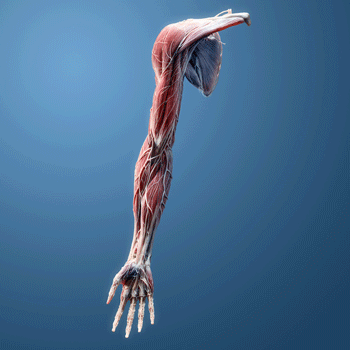
Exertion did not appear to be damaging the muscles; instead, muscle repair processes don’t appear to be kicking in.
Reductions in three muscle proteins associated with muscle structure suggested that muscle repair was impaired. Although intense exercise breaks down muscle, it ultimately builds muscle as it is remodeled post-exercise. This is not the first study to suggest that the muscle repair process is most affected in ME/CFS.
Interestingly, none of these proteins suggested the short but intense exercise session had caused muscle damage! The fact that the muscles are not actually being damaged would only seem to be good news.
It seems that any study is going to uncover nervous system issues, and this one did not disappoint. Interestingly, given the TRPM3 findings from Australia, a connection among TRP (transient receptor potential) channels emerged. So did problems with “dopaminergic synapses”.
Conclusion
From the immune system to energy production and metabolism to the nervous system, this proteome study validated what we’ve learned about ME/CFS. It’s encouraging to see similar findings pop up in studies from different research groups that often employ different means.
Studies like this suggest that ME/CFS appears to be just what patients say it is: it’s a disease that causes the body to respond abnormally to stress. This is an important distinction. ME/CFS is not like cancer or diabetes or multiple sclerosis. All these diseases are fully present at baseline (at rest), but ME/CFS only really reveals itself when the body’s systems are put under stress. That why it’s one of the most functionally disabling diseases known.
That’s why it makes sense that signaling is popping up so much. The signals that are supposed to kick in when the body is stressed aren’t.
This study did a lot, but it can’t determine causality; i.e., it can’t tell which was the first domino to fall. Given the results of other studies, it appears likely that stronger-than-normal levels of inflammation played a role. But exactly which cells are producing the inflammation, what is causing the immune activation (bits of viruses, epigenetic shifts?), and what the inflammation is affecting are not clear.

Next up – finding out what starts it all off and what is causing what.
We have lots of abnormalities (a good thing). What we now need is a clear causal chain. Are T and B-cell problems driving the problems in ME/CFS or do they result from them? Long-COVID immunomodulator and antiviral trials should prove invaluable in helping determine what’s driving what in the immune system.
Can turning the JAK/STAT system down, for instance, turn down the immune response, reduce inflammation and oxidative stress, and allow the mitochondria to produce normal amounts of ATP? By reducing inflammation, could these or other drugs heal the brain/blood barrier and normalize brain functioning?
Maybe the most important thing this and similar studies are doing is showing that core problems exist at the molecular level, and that the more researchers dig into the molecular foundations of this disease, the more they will uncover.
Donation Drive Update
Thanks to everyone who has brought us over 50% of the way to our goal!
Integration and moving forward were the themes of this blog. Look at all the links to past blogs that were posted. (We could have posted more but it would have been hard to read the actual blog.) Those links underscore what a rich resource Health Rising is. Because we’ve been digging into the nitty gritty of ME/CFS for over ten years now, we can show how X finding builds on Y finding, which built on Z finding. This field is moving forward, and we’re moving forward with it, and we’re looking forward to what’s next. If that supports you, please support us.
HEALTH RISING IS NOT A 501 (c) 3 NON-PROFIT





This is incredible!! I’m also particularly thankful for and awed by the people with ME/CFS who enrolled in this study. I can’t imagine the kind of commitment it would take to purposefully put oneself into PEM for the sake of science.
It’s really something! I know of someone who, despite being really debilitated, eagerly participated in a 2-day exercise study. 🙂
I agree and was my very first thought. They are heroes to me. At my age I could not even think of risking a further slide into severe me/cfs to participate in a study like this.
Keep in mind that Laura Hillenbrand (Seabiscuit author) was severely ill with ME/CFS for two decades, but managed to do some extraordinary muscle building in her early 50s, despite still being moderately affected by her illness. I think most of us (but definitely not all) with CFS can get stronger. Approach cautiously: don’t do strength training on successive days. Don’t push your reps to failure. Start slow and build up. Our muscles are still capable of growing. Don’t give up.
I agree I’ve found short bouts of muscle building and core exercise have been helpful. My muscles quickly get stronger – which they should, actually, as I don’t believe that the anaerobic energy pathways have been that effected – so if you keep to short exercise bouts hopefully they can handle it.
It’s helpful to have more muscle mass and muscle tone. I keep getting whacked by poor sleep or high stress events and have to pull back but I always return to my low weights and exercise bands.
For the benefit of the younger crowd, I’ll add my experience to yours, Peter. I came down with virus associated ME/CFS in my mid-twenties. After some years of careful management, I began to recover and get back to the gym in my early thirties. I found I was able to build muscle and this gave me tremendous self-esteem, so I pushed hard, even using creatine monohydrate to give me a little boost. I continued this trend with various strenuous and enjoyable outdoor pursuits like mountain climbing. At age 38, I did three summer mountain adventures and after the last, most difficult one, I experienced a massive relapse that included viral symptoms. I didn’t recover after like I did the first time I came down with ME/CFS, and I have been in a downward spiral since (I’m over 60 now). While this study provides hope that physical damage isn’t resulting from those with ME/CFS pushing, I think it’s important that those with ME/CFS and other invisible illnesses ensure that they keep kindness to themselves a priority with everything they do, including exercise. Only moderate intensity/duration is needed to capture most of the benefits of exercise, so my advice is definitely don’t push hard until you’re at the stage of recovery where PEM is completely gone.
Out of curiosity, did the relapse after the difficult hike/climb come out of nowhere (as in, you thought PEM wasn’t a thing in your life anymore and wouldn’t have expected that hike/climb to trigger something like this) or did you still sometimes get PEM at that time and saw signs you were pushing yourself too much?
I was always pushing the envelope, Michael, and experiencing PEM – which typically put me out for a day or two, or a week maximum depending on the degree of exertion. The classic Type A personality. I just expected that I’d always recover after getting knocked down. I’m still not sure if there was a physical change (i.e. hardware) that occurred at the time of my big relapse or some kind of subconscious software change (i.e. like the so-called “limbic loops” that the mind-body advocates speak of). Whatever the case, it sure reminds me of the “cell danger response” theory.
Scot, Thank you so much for sharing your story! These are the kinds of long-term disease progression accounts that really need to be amplified as cautionary tales.
Based on my own experiences with ME/CFS over the course of 30+ years, as well as many stories I’ve been told in support groups, etc… I always take “Recovery stories” with a heavy dose of skepticism. I look for threads of hope and accounts of potentially useful healing methods, but I always have in the back of my mind: “You think you’re recovered. I hope you’re right! … but get back to me in a decade or two and then I’ll get excited.”
Maybe some people are able to be truly “healed.” If so, it seems that’s usually folks who are able to get serious about recovery pretty early in their illness. For the rest of us, I think the best we can currently achieve is a type of remission. It may feel like we’ve healed ourselves, but as you experienced, the next big crash is just one trigger away.
Like you, I have been able to achieve some short periods of higher functionality. I have also tried to do too much during those times and had life stressors (and immune stressors) come along and knock me down.
Each successive crash has taken me further down, and the general trend in my baseline has been a downward one. This is true despite the full time job that my self-care routine has grown into, despite doing all the “right things.” Pacing, dietary changes, targeted vitamins and supplements, prioritizing sleep, relaxation exercises, etc.
Despite my best efforts, the older I get, the more I seem to be spiraling ever downward, and the more I have to tread water just to keep from drowning. I continue to wish that I had known all of this during my last relative remission period. Perhaps I could have staved off the big crash that took me from moderate to severe.
Perhaps I could have avoided spending years in bed. Perhaps I wouldn’t be housebound now. I hope to be that voice of caution for others now. If only we knew back then what is known now about how this disease works!
Wishing you as many precious moments of relative ease as possible !
Thanks for the well wishes, Spider, definitely sounds like we’ve had a similar experience with ME/CFS. I’ve been curious about what it is that keeps people like you and I seemingly on a downward path with no relief in sight.
Like you, I have always been skeptical of recovery stories. And they *seem* to be increasing in number, as more people are trying mind-body approaches. Some recovery stories even involve folks who have been ill for decades.
Noticing this, I tried almost a year of “brain retraining” through the Re-Origin program, and also explored classical neurofeedback. While I didn’t seem to make any gains with the Re-Origin program, the neurofeedback definitely helped reduce the post pandemic anxiety I had developed (all of my symptoms blew up during the pandemic and some new ones emerged!). So, I do believe in the power of neuroplasticity. Whether that in itself can fully resolve my symptoms remains a question for me – and I’d like to believe it, because in that, there is hope.
The challenge for me is maintaining a path of kindness for myself – as in, avoiding unhealthy pushing/striving in my pursuit of wellness. So, I constantly check in with my body to realign with my truth and needs in any given moment. While the only major objective finding of abnormality with my recent test results is in cytokine levels, I’ve also experienced things like a loss of being able to sign my name and other lasting impairments. That’s why I’m cautious now. Self compassion is important, because – let’s face it – the ME/CFS experience is bloody scary/traumatic!
All that said, as far as I can understand, it is still possible that my experience is the result of a CNS disregulation (limbic loop or other phenomenon), and I’m not aware of any research to date that precludes the possibility that our minds could be behind the vast array of very real symptoms and physical/biological abnormalities that researchers continue to highlight. If the root cause is related to some kind of brain malfunction, that might explain why we can experience temporary, but not lasting relief from trying various supplements, drugs, or other therapies.
I’m not giving up on finding my path to wellness, and there is reason to be optimistic. Research is definitely coalescing and AI is providing a massive boost.
In the meantime, give yourself a big self hug of appreciation for how your body has carried you through this very difficult time and envision better days ahead. Wishing you too a pleasant time with friends or family this holiday season!
Thanks to both of you, your experiences are good information for managing it.
My baseline always is a downward spiral, sometimes at a glacial pace.
You’re welcome, Laura, all the best to you in your quest for wellness!
Agree it seems more like remission than recovery. What would be interesting to see is exercise studies of different intensities on people at different levels of “recovery”. Maybe they would reveal something studies on people still experiencing symptoms don’t. Someone once said to me the only way to get better is to avoid pem. People can become symptom-free, 99% better, but it does seem like something is changed inside which means one can never live as carelessly as they used to.
Hi Scott, You mentioned your cytokines were abnormal, I’m assuming high as that’s pretty normal in a lot of diseases. Here’s a website/post about cytokines I recommend. I’m in remission now but took all of the supplements Dr Ross mentions, for several years before recovering to a more functional place. I’d start with glutathione because we don’t know if it’s precursors (ALA/NAC) will be absorbed properly. Getting cytokines/inflammation under control is vital to recovering from any disease. Inflammation = stress. https://treatlyme.com/guide/cytokines/ Good luck!
Thanks T Allen, curious to know how many years you’ve been dealing with your illness?
Originally I had just high levels of cytokines; the last test revealed some high and some low. I have tried many/most of the supplements mentioned in that resource, including Augmented NAC, which was specifically tailored for use in those with Long COVID. Still haven’t found the right combination or dose, perhaps.
It’s been 10 years as of Oct. It’s hard to say when it officially became CFS because of other illness that precipitated it. I was moderately severe for 2yrs (ending 2 yrs ago) before genetic testing and a chance post here helped me “flip the switch” in 48 hours. In my case it was a combination of high dose Vit B1&2 (and maybe amino acids) that kicked me out of Dauer. I am not recovered and don’t expect to ever be but am able to be awake 15 hrs a day (with 1- 20 min nap late afternoon) and on my feet and able to do normal daily activities. I still can’t “exercise” more then a few reps a few times a week without feeling “off” so I know things are not normal. It’s good some of your cytokines are down. Read the article because it’s possible to have other causes of high cytokines, like mold, yeast, etc. That need to be addressed. I’d also do a trial of liposomal glutathione, “Glutathione is a key component of the antioxidant system, which protects the body from free radicals at the cellular level. It is found in virtually every cell of the body and plays a critical role in protein synthesis, synthesis and repair of DNA, enzyme function, transport, and cell maturation.” Since this post discusses the importance of proteins in CFS, maybe my use of LG was part of the recovery. LG has a short storage life, needs to be kept cold, and is a little expensive (compared to NAC/ALA). but I know I felt better taking it. I used Core Med Science brand because the liposomal. The liposomal formula survives in the stomach’s acid so you get more for your money. I started with the liquid which is absorbed in mouth but it’s even more expensive. Then again, if it works… The website i gave you describes all of these things. It’s healing not just Lyme but all these same “long” diseases. I followed the whole to do list to make sure my whole body was as healthy as possible. You can’t skip steps (like eating the standard american diet) and expect to be healthy. I also highly recommend genetic testing if you can afford it because it helped me find several areas were I was not getting proper nutrients due to genetics and how to bypass those blockages so things worked better. Hope you find the right answer for you. It takes a long time (years) for your body to heal as all cells need to be replaced with healthier ones and it a gradual process. But starting today you’ll be in a better place by the start of 2028! Blessings!
Glad you found some relief in the path you have been following, T Allen. I’ve been in this maze for 35 years, and had almost of decade of substantial remission in my thirties. I’ve also read lots of stories of others with invisible diseases, some who have recovered, some who have not. What’s striking is the variation in paths/treatments that people have taken, when they find success. That’s not to say that there aren’t some basic tenets, like healthy diet, avoid stressors etc. I caution you in dispensing advice based on your own, individual experience, when you know nothing of another’s experience – their background or what they’ve tried. While the underlying intention is good (to help others to wellness), the messaging can sound a lot like, “It worked for me, so you’re doing it wrong if you’re not getting better”.
You used the expression “kicked me out of Dauer”. Based on everything we know from the research to date, and many recovery stories, there seems to be a lot of agreement with a process like that. If that is true, then tamping down cytokines might simply be a way to reduce the bodily alarm signals, which, if significant enough, might turn off the cell danger response (assuming such a mechanism exists). Some medical professionals posit that bodily alarm signals/cytokines can originate from things other than pathogens, such as traumas lodged in the psyche. If that’s true, then it might explain why people have recovered in diverse ways.
I always tell people to read about things that worked for me, same as I told you. My comment on liposomal glutathione is a suggestion if you decide to try it because others have found it works better than NAC/ALA as well. I base my comments on the level of the person I responding to. I assumed you were better educated and I didn’t need to read you the disclaimer. 😉
Man, you guys are killing me softly, telling my whole life… I came down with CFS in 1993 at age 27 (32 years ago to the day this past December 26); after a rough year I recovered to relatively good functionality and throughout my thirties and early forties was able to push and crash myself through some good years of working as a photographer, surfing, cycling, weight training, and just living a decent life, with a lot of pauses to lie like a dead animal in bed, and mainline animal protein. But a series of overexertion events — a pushed-to-the-limit bike ride in 2008, too many consecutive days of surfing in 2017, a month of walking the streets of New Orleans working on a photo project in 2019 — kept knocking me down a rung, to the point now where the most I can do for exercise is walk a mile or two, generally not on consecutive days. And I have way too many crash days. And my sleep…don’t even get me started.
I really think, for me at least, and it sounds like others of you as well, a lot of it just comes down to age (I’m 58). In younger years I was more resilient, and I could just bounce back easier. These days, not so much. My younger brother, who is a self-described biohacker and has the energy of a 25 year old at age 56, keeps pushing me to get on testosterone and various injectables/peptides, but that stuff ain’t cheap. Still, as a new year’s resolution, I’m going to be dipping my toes in those waters.
I will say that, after trying various “recovery” programs, (ANS Rewire, Gupta, etc), I did have some success with The Edison Effect which I took last year. I went for months without a crash and just generally felt stronger. But as soon as I started feeling better and the videos ended, I stopped all the various practices and got back to my photography work, which I had pretty much been neglecting due to the time commitment of watching videos, meditating, journaling, etc, that the program required. After six months or so I began to backslide, and now I’m back in the hole. But, as another New Year’s Resolution, I’m going to get back on the program and see if I can’t regain some life.
My biggest worry these days is that all the things that happen to normal people as they age — heart disease, stroke, dementia, falls due to lack of strength and balance — are just going to be bigger risks for me since I can’t keep myself fit. I’m losing muscle mass and can feel my aerobic capacity diminishing. Every time I think I’m going to get a membership to Planet Fitness, just to go in once a week and do some really light weight training, I have a crash. My diet, which is about the only thing I seem to be able to control, is about as good as it can get, and I take the odd supplement, but that will only get you so far. Use it or lose it, as they say.
Anyway, I’m glad I stumbled through the comments section today. Nice to know some fellow middle-agers who seem to be in the same boat. Keep the faith, fellas.
I have and still am. Nicotine definitely helps though. I think it reduces stress generally. Also propranolol. Never get the heart rate too high or for too long. Break after a couple minutes. Not more than twice a week with 2-3 days in between to heal. Still figuring it out but I think increased strength is good if you can do it.
Yes. Thank you.
This study is very important because like others, it identifies a reason for endoplasmic reticulum stress. From this study we read: “Pathway enrichment analysis of control protein clusters (red lollipop plots, Fig. 6) using Enrichr and the Reactome database (www.reactome.org) revealed that the “immune system” was enriched in all five clusters. Clusters 1 and 2 were enriched for “innate immune system” and “neutrophil degranulation”. Cluster 2 additionally included “complement cascade”,<<<>>>>>>> as well as “signal transduction” (20% of cluster 2 proteins)”
There are now newer studies that confirm the WASF3 study by Hwang et. al and the potential importance of N-Linked glycosylation.
I didn’t know there was confirmation of the WASF3 finding! That’s big news…Have those studies been published yet?
Sure, here is the study (published) looking at Extracellular Vesicle Proteomics mentioning ER Stress on its title : https://pmc.ncbi.nlm.nih.gov/articles/PMC12135887/ and the WASF3 study (also published) : https://pubmed.ncbi.nlm.nih.gov/37579159/
The last paper you link says “Simultaneously, they found an increase in … …(WASF3), which is regulated by the ER stress response, and showed that transgenic mice overexpressing WASF3 exhibited impaired exercise tolerance.”
=> So increased WASF3 in ME/CFS.
So I went on a search:
A) Upregulation of WASF3 seems to be related to cancer metastasis;
https://pmc.ncbi.nlm.nih.gov/articles/PMC3765048/
Title “Critical role of the WASF3 gene in JAK2/STAT3 regulation of cancer cell motility”
(That sounds bad, but keep in mind many more parameters influence longterm health)
The thing of importance may be:
B) https://pmc.ncbi.nlm.nih.gov/articles/PMC4188591/
Saying:
“Furthermore, we found that overexpession of miR-217 markedly suppressed cell proliferation, migration, and invasion of osteosarcoma cells.”
“Moreover, we identified WASF3 as a novel functional downstream target of miR-217.”
“The ectopic expression of WASF3 can partially reverse the inhibition of cell proliferation and invasion caused by miR-217.”
=> So increased WASF3 can A) decrease exercise tollerance and B) increase proliferation, migration, and invasion (of osteosarcoma cells)
While that both is bad, the other side of the coin IMO sounds like: *might* increase the proliferation, migration and invasion of (innate) immune cells through epithelial barriers like gut lining, arteries and BBB.
Searching for clues this *might* happen:
https://www.sciencedirect.com/science/article/abs/pii/S0024320514009448
C) Title: “MiR-200b modulates the properties of human monocyte-derived dendritic cells by targeting WASF3”
And https://www.genecards.org/cgi-bin/carddisp.pl?gene=WASF3
“The multiprotein complex serves to tranduce signals that involve changes in cell shape, motility or function.”
Note: My reasoning here is: these properties of ‘allowing’ cells to infiltrate tissue is what is needed to get immune cells from the blood into the tissues too. It seems rather unlikely we have genes increasing these properties just for cancer to spread better.
That still sounds bad, but might point to what I believe / hypothesize is going on:
* The body chooses to decrease long term adaptive immune strength, by combined blunting many receptors and signals involved in T and B cells and their energy provision (creating mitochondrial dysfunction with more WASF3). Reason? Long term activation (if the immune system fails to resolve an immune problem quick enough) of the adaptive immune system is a very good recipe to develop full-blown auto-immunity.
* The body needs to find a ‘fall-back’ option for a working immune system. That is IMO in first instance the innate immune system (with monocytes a rather important part of it) and the longer it lasts and worse it gets also more and more switching mitochondria from ATP production to last line immune defense.
That hypothesis is also in line with the ‘stuborness’ by which ME/CFS seems to ‘badly want’ to keep us ill. Many of us experienced taking new medications and have a short flare in energy for the illness to stubornly see all improvements vanish a few days later. Undoing our ATP shortness with medication also risks to flare up the immune system beyond control (if the body were going into Dauer already because it has a very hard time to keep the immune system under control), so IMO the body tries to find ways to undo the effect of these drugs.
Looking at the NCBI gene database, there papers on WASF3 for:
* mainly cancer research (big funding)
* a few on retinal disease
* a number correlated with various auto-immune diseases
* a number related to hypoxia, reprfusion and hif1alfa
* one on HSP activation correlation
* one on preterm birth
A) correlated with various auto-immune diseases:
* https://pubmed.ncbi.nlm.nih.gov/31426562/
(Rheumatoid arthritis: “Differential expression in three miRNA and corresponding targets (hsa-miR-31-5p:WASF3, hsa-miR-132-3p:RB1, hsa-miR-29c-3p:COL1A1) were also validated.”)
* https://pubmed.ncbi.nlm.nih.gov/31275749/
(type 2 diabetes mellitus: “Three leader genes (PSMD10, SOS1, WASF3)”)
B) correlated with hypoxia
* https://pubmed.ncbi.nlm.nih.gov/22581642/
(“HIF1A induces expression of the WASF3 metastasis-associated gene under hypoxic conditions”) Note: HIF1A is expressed during long term hypoxia
* https://pubmed.ncbi.nlm.nih.gov/40085348/
(“Ischemic stroke… …Wasf3 and Slc25a5 were able to effectively discriminate between samples from different time points”)
Note1: the graphs show a very strong correlation to WASF3 and SLC25A5 in the case of the paper (ischemic stroke)
Note2: Slc25a5 is https://en.wikipedia.org/wiki/ADP%2FATP_translocase_2, responsible for “ADP/ATP exchange between the mitochondrial matrix and cytoplasm.”, with it regulating mitochondrial functioning rate / speed.
=> cell motility alterations *seem* to be strongly correlated with mitochondrial ATP production regulation (by design I’d say).
C) correlated with heat shock protein (activated upon heat stress and damage)
https://pubmed.ncbi.nlm.nih.gov/22581642/
“HSP90 and HSP70 proteins are essential for stabilization and activation of WASF3 metastasis-promoting protein”
D) correlated with monocyte function (as per above comment)
Combining all of this it sort of shows the following picture to me:
* In case of longer lasting hypoxia: activate WASF3 => likely increased cell motility and ability to deform helps in rebuilding / adapting blood flow
* In case of damage signalled by HSP: if physical damage / injury actrivate WASF3: likely to remodel tissue and rebuild blood vessels
Simultaneously with above: modulate (at least in long lasting hypoxia) Slc25a5
From https://pubmed.ncbi.nlm.nih.gov/37579159/
(ME/CFS, “Increased expression of WASF3 in transgenic mice markedly decreased their treadmill running capacity with concomitantly impaired respiratory supercomplex assembly and reduced complex IV levels in skeletal muscle mitochondria.”)
=> that sounds bad, but when looking at the Electric Transport Chain (an important part of the mitochondria), modulating that step can IMO reduce ATP production while increase mitochondrial H+ / charges. That still sounds bad, as this would severely slow ATP for activities of life BUT IMO this helps solve the mystery of so few physical damage to show for in ME/CFS. Long term inflammation / hypoxia / immune problems *should* lead to massive cell death, but much of it is IMO induced due to collapse of mitochondrial potential. Modulating Slc25a5 can IMO inhibit ATP production *from H+ / charges* *in order to keep mitochondrial potential from collapsing*.
=> Combine all and it pictures a state of activating a resolving function. Increased WASF3 allows for tissue remodeling / repair (note: attempting controlled tissue repair is a primary function of inflammation) while (as many instances of tissue repair like wounds and fractures take a long time) preparing for longer lasting tissue repair by reducing how sensitive cells are to being cleared by the immune system / apoptosis (by modulating Slc25a5). (Note: healing from infection and series injury or disease like cancer seems to cause a longer drop in energy in non ME/CFS subjects too). Such anticipated longer activation of the immune system is not very compatible with a strong emphasis on the adaptive immune system (auto-immune risk, as *potentially indicated in point A)), hence the need to switch to innate immunity (with help from WASF3 and switching mitochondria function from ATP producers to immune powerhouses.
=> Seems this points to the disease (ME/CFS) starting with
* initiate disease control and then tissue repair as happens with any other patient
* stuck longer then desired in disease control / tissue repair mode
* remain stuck in tissue repair mode while preventing tissue damage to pile up
=> Something blocks leaving tissue repair mode. A low grade infection *might* cause continuous damage in need for repair. Yet I estimate in many cases the cell danger signals from the combination of widespread inflammation plus exertion of cells while during energy shortage itself plus an accumulated variety of auto-antibody producing cells does not allow to abondon this repair plus inhibition mode.
Is it odd for repeated studies to be on exercise when 75% of people will not be able to do exercise as it’s normally understood?
Does this mean this is of most relevance to those who are able to exercise and feel semi-well when they do not? Versus those who are severely impaired and not even functioning to self care?
It seems perhaps strange to see the lauding of ME/CFS studies for being much more laser focused and targeted than much LC , when the American ME/CFS charity focus for 5 years has been on securing funding for long covid, whilst ME/CFS was shelved by the NIH? Apart from Lipkin and Hanson how many other US researchers are studying ME/CFS on $10m NIH funding?
Yes, that’s a big question. I’ve known people who are really quite ill who have made it through these tests but most people who do them are surely on the milder side. How much the results apply to the more severely ill we will probably never know. Ron Davis’s Severe ME Project found though that the really severely ill were on a spectrum from the more mildly ill; that is, they were different only in that their numbers were worse – if that’s true the results might very well apply.
The news regarding the NIH and ME/CFS is not good at all. Someone just did a report on this and it looks like funding will decline substantially over the nex couple of years if nothing is done. I will include it in a future blog.
What does that mean ? Sorry too layman here…
sorry wrong comment section
Just a layman here, but my observation is that in the past 6-12 months a ton of specific evidence has emerged about things going haywire inside the bodies of p/w/ME.
I wonder if Cort or someone else with a science background can tell me if this is true or not. I bing it up because it has begun feeling to me as of late like we are on the verge of reaching critical mass.
That’s my sense. It seems like things are just rolling at multiple levels 🙂
Thanks, Cort. Of course I have my own selfish reasons for wanting things to get better. But during the holidays I think of all the young people who have gotten this illness (and the older people who got the illness when they were young) and I hope they can feel like their worlds are about to start getting bigger.
” feel like their worlds are about to start getting bigger.” Having one’s world getting bigger – what a great thing to put it! 🙂
That could be good news since it seems that my life is getting smaller and smaller. Previously, if l paced, I could travel, play a little golf, bake, paint and run a national non-profit organization.
After two bouts of Covid since 2024, my world is rapidly shrinking. We will be looking at an electric wheel chair this week as walking any distance has become almost impossible. I am dizzy with terrific vertigo and significant back pain and balance problems. Places we always looked forward to visiting every year are no longer an option. My memory is like a bouncing ball. The thought I need is there, but buried under layers of fog.
I wish I could see some significant studies that will pay off in treatment soon, not “more study is needed”.
If you are only a few years into this horror, you think help is just around the corner. I have been hoping that since the early 1980’s and even more so since 2024.
If someone can name one successful treatment for Long Covid, I will change my tune. And I don’t mean tiny studies of a few patients.
So sorry this is happening Betty! COVID really did a number on you! Your symptoms make me think of the disequilibrium blog.
https://www.healthrising.org/blog/2025/11/30/disequilibrium-orthostatic-intolerance-chronic-fatigue-long-covid/
If someone can name one successful treatment for Long Covid, I will change my tune. And I don’t mean tiny studies of a few patients.
No – lots of possibilities – GLP-1 agonists, stellate ganglion block, 3 JAK inhibitor trials, Mestinon, Bezesterim, monoclonal antibodies – LC is finally getting strong immune drug trials – but no major successful clinical trials that I remember. Several are underway, though.
I’m hoping that we’ll see some successes and that they will quickly get translated to ME/CFS.
Do you know how the signalling changes found here relate to the signalling changes in the cells during the Cell Danger Response?
Great question. I don’t know…
This is great news indeed, Cort! Helpful for those of us who have felt, or do feel “broken” in some way. The fact that muscle doesn’t appear to be damaged from the exercise/relapse/PEM cycle is comforting, and provides hope for recovery, whatever channel that is through, be it pharmaceuticals or mind/body therapies or anything in-between!
Hanson is my all time favorite.
It’s shows AGAIN how dedicated these researchers are when a family member is directly involved and connected.
When all hell broke loose with me
(Long story)(I believe I had parasites) (but also believe my childhood vaccines injured me)(and the mercury dental amalgams)….the first thing I noticed when my leaky gut finally leaked was global of fat being forced through my muscles….the largest being approximately 1 inch in diameter under my right biceps…then I began to feel all over and quickly discovered there were even smaller bumps all over my entire body…EVEN tiny white bumps inside my nostrils. Of coarse i couldn’t get any doc to do a biopsy….even the ear/nose/throat specialist simply stated…”everyone has those”….they made up all kinds of excuses why they couldn’t biopsy the white bumps…infection?….yeast?….fat?
Like George Mionbot says…
“ITS THE BIGGEST MEDICAL SCANDAL OF YHE 21ST CENTURY”
Thanks Cort, that’s really great news! I’m happy about every study (no matter the outcome); just for the good feeling that something is finally happening.
But what I don’t understand—I don’t know if this is the same for you—is that I already experience severe PEM just from feelings, stress, and conversations, which don’t involve any muscles. How does that work? Is it then the immune system that weakens so much, due to the processes of T-cells in the body?
Hi Silvia. Little know fact, until you get CFS, is how much energy the brain uses. “The brain uses about 20% of the body’s energy while only accounting for roughly 2% of its weight, even when at rest. This high energy demand is primarily for processing and transmitting information through electrical signals.” That’s why just thinking, watching TV while lying down, conversations can be so exhausting. Feeling and stress put the brain into high gear using even more energy. And stress, with all the chemicals it releases increases inflammation and muscle contractions. So do your best to to rest frequently and stay calm. 🙂
It’s a bit older, but very interesting on the topic.
https://www.med.uni-wuerzburg.de/systemimmunologie/aktuelles/single/seite-1/?tx_news_pi1%5Bnews%5D=212966&cHash=6e2ca156f49ada03b40110be7ded02e1
(German)
https://www.nature.com/articles/s41467-023-42634-3
(Englisch)
Cort, your depiction of ME as uniquely undetectable at rest but kicking in under stress really hits home for me. Before I knew what was going on, I often commented to providers that I felt fine as long as I didn’t actually DO anything. I had mysteriously lost my legendary ability to thrive under stress. Even while hospitalized, I usually felt fine, until I went home and restarted my activities. If only I’d known then what I know now….
With treatment and learning to pace, I’ve improved just enough that I’m less likely to crash from physical activity, but cognitive and emotional exertion still completely wipe me out, so I’m still unable to work. As someone who made a living by literally thinking on my feet in a challenging profession, it’s been a cruel realization.
This seems to reflect Silvia’s observation as well.
I wonder if there has been any analysis comparing aerobic and anaerobic exercise? I believe these have different actions and signalling pathways? I struggle and get PEM with anything aerobic, but can do short bouts of heavy resistance training without any payback.
Interesting question! I don’t think there has been a exercise study that compared the two or even one that focused on anaerobic exercise….
I’ve been wondering about this aswell.
I THINK it was dr. Sarah Myhill that suggested upwards to one (!) minute of hard strength training to help mitochondria rejuvenate (I believe it was suggested one minute per week. I will try to find out and get back to this comment).
Excercising for just one minute would in theory keep your muscles mostly within aerobic threshold (muscles used start to go anaerobic after 30 seconds continuous use) but still allow for building mitochondria (but don’t jump in to this if you’re moderate/severe). If there’s anything to this, I am not sure yet, but I’ve been planning to search forums to see if anybody has tested this type of excercise specifically, and outcomes.
I use this as a pacing strategy with heartrate: If I exceed my personal heartrate-threshold, I make sure to not do it for more than 30 secs if possible (sitting down/lying down, breathing calmly to help heartrate go down to accepable limit++). Pacing like this has helped me become more stable.
I’ve read other accounts of patients who finally became able to pace and start stabilizing and become better when they got their pulse somewhat down, either through meds or pacing.
There was a long thread on this on a reddit-forum, where pacing by heartrate and how to use muscles, for how long, was discussed at length.
I used it when I fell into moderate, I do believe it helped me quite a lot over time. It took 6-8 weeks to start seeing results.
Here is the thread if anyone’s interested:
https://www.reddit.com/r/cfs/s/2JY6TlEsvH
Yes, Dr Myhill suggests following the routine explained in Body of Science by Dr. Doug McGuff. Personally, I’ve found lifting heavy for 3 sets of 5 ok, whereas taking a slow walk will result in PEM.
Thanks for your input! I’ll try short, intense reps for a little while and see how the body responds.
Dave me too. I have been doing weight training 2 to 3 times a week (to increase my bone density) with no repercussions. But I can’t do the aerobic exercise exercises without flaring up.
That all makes sense as I still have my basic strength – I can lift something heavy suggesting the muscle itself is ok. However I can’t do it repeatedly, that just brings on my PEM. Fingers crossed they can get to the root cause and find more things that will help sooner rather than later.
I think this is a very important piece of work to better understand how exercise wreaks havoc on the tissues in ME/CFS. It points to a piece of basic physiology which opens the door for damage in ME/CFS: our two-tiered stress response. Indeed, the physiological stress response has two compartments: One that helps the body to perform (this machinery includes immune activation, inflammatory signals, oxidative stimuli, adrenergic load etc.) – and one that protects the body against the impact of these powerful stimuli. The study here again shows that these „guardian angels“ may be lacking in ME/CFS. Apparently, whenever ME/CFS patients exert themselves beyond a certain limit their body gets hammered – from lack of protection and reparation.
Here is my summary of the current evidence for this theory: https://www.kinder-verstehen.de/wp-content/uploads/guardian-angels-off-duty_presentation_021225.pdf
I spent over 20 years reading a lot of the science papers and trying very many of the drug interventions. I’ve spent most of the last 10 with huge amounts of horizontal time.The one thing that never agreed was my constant exercise/recover/exercise/recover cycle.I often described it as “extreme pacing”. During that time I (and still) I was walking an hour a day, going to the gym 3 times a week for 30 minutes, walking to the grocery store and carrying food back, etc. At the same time, other than those activities I was largely horizontal.
Late this year I paid for full genome sequencing. I reasoned that my exercise response was far more like a muscle disease. The two most interesting finds were a “harmless” CPT2 deficiency (muscle issue) and a hair-trigger immune system (the “plague gene”).
The “deficiency” has been studied due to its known tight glucose control. While I was waiting for the sequencing results I paid for a continuous glucose monitor.
I made the following changes
1) Eat less than 5 grams of fat a day (because my system isn’t processing fat,which is like trowing a wet log on the fire)
2) Control the carbohydrate/sugar intake by matching carb burn rate directly to exercise and activity.
3) Use the (leg) muscles to control glucose absorption
4) Use MCT oil to feed the brain separately from the muscles.
I used the glucose monitor to control my spikey glucose and learn how to use the carb input to keep it resonably steady.
The results were astounding. I have so much energy I’m forced from bed. My brain is back to working. I can sit at a desk for an afternoon and work. The constant naps and lying down have gone away. Most of the associated immune problems are beginning to subside. I could go on. It has become my “ME/CFS” miracle cure. This is the first strategy that has been an unequivocal win for me.
This is a fairly high level common genetic alteration. It has strong connections to ATP deficiency, the purine metabolism, etc, along with its close cousin AMPD1 deficiency. There are viral onset metabolic traps. Since the alterations are classified as harmless they appear in research studies on both the subjects and controls. When I look at the research findings for ME/CFS and long COVID i now understand them in terms of how the CPT2 deficiency could lead to the those results.
That is really interesting. My IBS symptoms are consistent with fat malabsorption. I stopped sugar for 12 weeks and recently eat a very small amount. I think less sugar and fat have helped though my changes aren’t as extreme as yours. I don’t have equipment to measure glucose but I try not to eat excessively.
What do you mean by “3) Use the (leg) muscles to control glucose absorption”?
I had a lot of IBS-like symptoms. I hadn’t had a normal stool in about 5 years. That cleared up by eliminating fat from my diet.
In CPT2 most of the glucose control is achieved by the muscles burning the glucose off via the muscles. The best muscles for doing that are the calf muscles, so pacing around a kitchen works, going for a walk is even better.
Fats burn fairly consistently but there are different levels of carbs/glucose that need to be managed. In house heating terminology, think of most people as having an oil burning furnace. There isn’t much to do when heating the house. If you have a fireplace, then you have fire starting paper, kindling and logs that all have different heat characteristics that have to be managed depending on the activity level in the house.
With CPT2 the idea is to keep a steady fire burning with hard to digest carbs, then stoke the fire depending on the activity level, all the time trying not to spike the glucose or allow the glucose level to go below the baseline. The simple rule is that I can eat sugar when I’m moving, but never sitting.
As an aside, both my mother and I really despise standing for any period of time. I had reached the point where I couldn’t stand for more than a few minutes without having to go horizontal. Standing uses the same muscle fibers repeatedly, so they can run out of glucose quickly. Walking uses an larger array of muscles so the workload is spread over more muscle fibers. For me, it appears the problem with standing was due to a fueling problem, so the muscles were simply devoid of energy. Now that I have learned proper fueling, I can sit for hours at the computer again.
Thanks, thats really interesting! I guess you ate a lot of things that had fat removed? As protein foods generally come with at least some fat.
I became normal when I got rid of plant fat. But I was also under less stress so not a fair test. Frying things seems to be particularly bad. Recently I’ve been less strict (oil is in nearly everything processed) and I would call it mild IBS–not quite normal. It’s also caused by things with excessive fibre like lentils.
Although I’ve not been able to measure it, I have noticed both eating too much and eating too little have noticeably unhelpful effects.
Protein is fine. Lean meats work in general, though I tend to avoid beef. Nuts are a generally out because of their fat content. I occasionally eat shelled pistachios, where the daily fat allowance means about 15 pistachios. No more fat for the day.
Last night I went out to friends for Christmas dinner. I had a few slices of turkey breast, mashed potatoes with no gravy or butter, roasted beets and Brussels sprouts. It was completely fine for my diet.
For me, the glucose meter helped me determine portion size for the carbs. Too much or too little invokes the HPA axis. In particular, a steep slope on the glucose response, either up or down, sets off alarm bells. My baseline is about 6.0 mmol/L. I used to wake up in the middle of the night feeling icky. The glucose meter consistently showed that when I dropped to around 5.4 I was waking up. Having the right extra carbs at night prevented that.
The good glucose control of CBT2 ironically comes from having a narrow operating range compared to most people. HBA1C test looks normal because it is a long term average while glucose tolerance tests don’t typically see much since they a just a few samples. The continuous glucose monitor tells the story.
Which company did you use for testing? US/Europe-based? Looking for something like this in Europe right now, but it’s really hard to know ehere to start, or what to look for.
Thanks in advance!
I used sequencing.com to the US from Canada. The packaging they supply works for international shipments so there was no problem getting the sample to them.
The general problem with the genetic reports is that they are tailored to the idea that one gene is related to one problem or situation. Genes tend to work together as a group. For instance, if we converted a regular car to a drag racer, each individual change looks like it is “breaking” the car, but if you view the changes as a set of modifications, the changes become an enhancement for a specialized car. I had most of my success by using the google AI rather than the the reports directly or their AI.
Thanks a lot, and thanks for the additional info! I’ll look into it and see if I can get it here. Much appreciated!
How much mct do you take? Why not omega 3? I thought some other fats were essential? What type of cintinuous glucose monito did you get? Was it without a prescription? I have caught my glucose tankung very low when usually it is more lije prediabetic Thanks for any info?
For CPT2, carbs, etc feed the muscles but the brain also needs an energy source. MCT works because it it is small enough. Most other fats won’t work. When I was on keto for a year I always commented I had more mental energy but physical energy didn’t improve a lot. MCT and ketones are related.
Dietary fats are still essestial but in very small amounts. For me, 5 grams of fat a day is a half can of sardines, an egg, 15 shelled pistachios.
MCT can be difficult on the digestive system so starting slow is a good idea. I started with one or two teaspoons a day and worked up to 6-8.
i used a freestyle 3, got a prescription but had to pay for it myself. I noted that I have a higher baseline and a much narrower range. There were lots of quick spikes. I learned how to eat and exercise to turn the spikes into more gentle hills and valleys. In essence, I believe I was having diabetic reactions within the narrow range. A doctor would would think the HBA1C or a glucose tolerance test was largely unremarkable. Fats burn at much the same speed/temperature. With mostly carb intake the glucose monitor helps figure out what and how much to eat without spiking the glucose.
I was consistently waking up at night when my glucose went much below the baseline.
Thanks
I put in a search for: Does vitamin d3 regulate t cell receptor signaling and this is the response I received:
Yes, vitamin D3 regulates T cell receptor (TCR) signaling through its receptor, the vitamin D receptor (VDR), which is expressed in T cells and modulates key signaling pathways. Upon TCR activation, the p38 kinase is activated, which induces the expression of VDR in naïve human T cells.
Once activated, VDR translocates to the nucleus and regulates gene transcription, including the upregulation of phospholipase C-γ1 (PLC-γ1), a critical component in TCR signaling.
The increased expression of PLC-γ1 enhances TCR-induced activation of PKA and PKC, leading to elevated intracellular calcium levels, which in turn activates the transcription factor NFAT1—essential for IL-2 expression and T cell proliferation.
However, VDR also modulates this pathway by competing with NFAT1 for binding to the IL-2 promoter and by down-regulating NFAT1 expression, thereby fine-tuning T cell activation and preventing excessive immune responses.
This regulatory mechanism highlights the role of vitamin D3 in controlling the magnitude of TCR signaling, with implications for immune homeostasis and autoimmune disease.
Perhaps these scientists would find a solution if they look at vitamin d3 and other deficiencies in the body and how to fix that instead of looking for some other man made solution or cure. For people suffering with CFS or FMS, please do some research on how vitamin d3 deficiency especially affects the body. We have about 3000 vitamin d receptors in the body that regulates many functions, including the immune system. Most people are deficient in vitamin d3 these days.
Well said and I agree! Especially since most Drs think you just need 800IU of D3/ day. Those numbers are finally being revised and now Vitamin D levels of 30 to 100 ng/mL are considered optimal. 1500-2000IU per day for adults, especially in northern states in the winter! A couple years ago my Lyme Dr told me my levels at 50 needed to be higher and 200IU a day kept me at 90ng/ml. My PCP and others Drs all insisted my levels were too high.
Everyone please get your Vit D3 levels checked even if your Dr doesn’t want to!
Weight training helped me.
I was feeling weak, vulnerable and scared after a year of gentle walking of no longer than 20 minutes per day. I began some simple weight training. Compound exercises. Within a month I felt stronger and noticed some increased energy. I dance along the balance point to not trigger PEM. Doing 2 sessions a week, listening closely to my body before, during and after. I feel better than before. It’s amazing to experience a positive shift! This is my experience with exercise.
Also, dancing on any day within my tolerance lifts my spirits.
Has the presence of complex childhood trauma, in ME/CFS sufferers, ever been linked as an underlying causal factor for developing the disease??
More great news! And this makes a lot of sense re: my own situation. I knew there was an issue with blood flow and lactic acid build up because I had severe legs cramps at night that I’d never had before. And the cramps decreased in severity and frequency after I entered remission. Now I get, mostly minor, cramps if I exercise more than i should, which is how I know that I still have CFS. The protein part also makes sense as taking Solgar Essential Amino Acids when I start feeling more fatigue usually kicks me out of it after one dose. Sounds like it could be a digestion problem even though I take digestive enzymes at every meal. It is very infrequent now but was taking them daily before I entered remission. Keep up the great work Cort! Checks in the mail 😉
Cort,
My founder, our medical advisors, and I found this article fascinating and would appreciate the opportunity to talk with you and/or The Hansen Group. Nexo Pharma has been manufacturing porcine liver extract (Nexco Cream 75 and Nexavir injection) that has shown favorable results for the debilitating symptoms of CFS/ME and Long Covid.
Can we connect?