




Geoff’s Narration
The GIST
 Health Update: Stuck – instead of getting better during an extended stay in Mammoth Lakes, I got worse. Traveling down to the Vegas area did appear to help, perhaps because it’s at a lower elevation.
On the plus side, my autonomic readings (resting heart rate, heart rate variability) have largely stabilized, and my sleep has improved. On the minus side, four months later, though, despite extended periods of rest, my symptoms (nausea, cold sweats) are still pretty easily exacerbated by exertion.
Hopefully time spent at lower elevations will put less pressure on my autonomic nervous system and help.

PrecisionLife, ME/CFS and long COVID
Health Rising has followed PrecisionLife and its work for several years, identifying the biological causes driving subsets in ME/CFS and long COVID and ultimately targeting treatments to them.
PrecisionLife doesn’t simply determine which particular gene variants/mutations are increased/decreased like most genetic tests do. Instead, it identifies sets of gene variants/mutations (gene signatures) that are increased (or decreased), then assesses the biological pathways they interact with, and uses those pathways to identify the mechanisms (enzymes, proteins, specific cell types) that drive them. Next, it searches for repurposed drugs that can impact those mechanisms.
Over the past 11 years, PrecisionLife has done this work for over 60 disease groups. Its work with ME/CFS and long COVID was unique, though: instead of companies or disease groups funding it, it funds all its ME/CFS and long-COVID work.
The Gist
 Health Update – still stuck after 4 months!
- I talked to Steven Gardner about PrecisionLife’s new Long COVID DNA Wellness Report.
- PrecisionLife doesn’t simply determine which particular gene variants/mutations are increased/decreased, as most genetic tests do.
- It focuses on identifying the biological causes driving subsets of ME/CFS and long COVID, and ultimately targeting treatments to them.
- The Long COVID DNA Wellness educational report uses PrecisionLife’s sophisticated analyses to potentially offer insights into the genetic roots of a patient’s particular illness. Please note that it is not a clinical diagnostic test and does not suggest which drugs might help. Instead, the Report:
- 1. Helps long-COVID patients understand where they fit in genetically with the rest of the long-COVID community.
- 2. Helps them identify and understand the mechanistic triggers their particular genetics suggest may be driving their illness.
- 3. Identifies specific gene variants PrecisionLife believes bear on their condition.
- 4. Explains the major mechanisms and symptoms present in long COVID.
- 5. Provides wellness tips and supplement information.
- PrecisionLife has found six core mechanisms (immune regulation, energy production, blood flows, autoimmunity, etc.) it believes are the primary drivers of long COVID.
- It also found that long-COVID patients tend to be genetically distinct; that is, while most long-COVID patients have all the mechanisms, each person tends to have some that stand out.
- The report shows which mechanisms your genetic inheritance suggests may be more in play in your illness.
- For example, people at increased risk of blood flow problems might want to explore what can be done: which tests to order and which treatments might be appropriate. They might want to inform their doctors and/or stay up to date on research on that mechanism.
- I found the “glucose response and insulin resistance” mechanism particularly interesting because: a) recent long- COVID and ME/CFS studies suggest that this area is involved; b) most doctors do not thoroughly test for these issues; c) much damage can be done before symptoms appear; and d) metabolic issues increase the risk for nasty problems like diabetes, cancer, heart disease, and kidney failure.
- If your PrecisionLife results indicated you have more gene variants affecting “glucose processing and insulin response” than usual, you should probably get more extensive metabolic testing in order to head off these potentially dire consequences.
- The 81-page Wellness Report provides clear, basic overviews of how the different mechanisms operate and the symptoms each can cause.
- Twenty pages cover symptoms, why they may occur, the mechanisms they are associated with, and supplements and lifestyle changes that may help.
- Fifteen pages provide short takes on basic lifestyle changes such as deep breathing exercises, fluid intake, managing a crash, symptom tracking, etc.
- The last 20 pages describe 13 supplements and the “strength of evidence” for each. It includes the Open Medicine Foundation’s observational TreatME study.
- The Post COVID DNA Wellness report is available at a reduced price ($395) until Oct. 26th, when it will go up to $495. It simply requires saliva. Your information will never be shared with anyone other than yourself.
- Order it here / View a sample report here.
- Health Rising is not participating in PrecisionLife’s affiliate marketing program and does not receive proceeds from the sale of this kit. PrecisionLife may, however, become a corporate sponsor.
 Health Update – still stuck after 4 months!
Support Health Rising and Keep the Information Flowing!
Health Rising is not a 501 c (3) non-profit
The Talk
The Splotch!

The splotch turned out to be a plot of one of the most frustrating diseases genetically of all – schizophrenia.
With its long COVID genetic report, PrecisionLife is embarking on a new venture and I talked with CEO Steve Gardner about it.
But first I had to ask him about the beautiful splotch of colors on the wall behind him. It turned out to be a biological plot of pathways associated with the genetic variants linked to schizophrenia. The colors represent subgroups of patients who have similar drivers of schizophrenia.
This is significant because many, many genetic variants, each of which has a small impact, have been found in schizophrenia, and disentangling them has been difficult. In fact, schizophrenia has been the poster child for frustration in the genetics arena.
If ME/CFS and long COVID are highly polygenic (many, many genes contribute) diseases, schizophrenia is extraordinarily polygenic, yet PrecisionLife has been able to make some sense of that tangled mess, and uncovered a new treatment approach (a statin) that appears to help a subset of patients.
The First Step – A Long-COVID Genetic Report

“This is the first tangible step, if you like, on a much longer and more ambitious journey.” Steven Gardner
PrecisionLife is now offering a long-COVID genetic report. I asked Steve why it’s doing this now, and there were two reasons. For one, PrecisionLife’s ability to validate its long-COVID results using several databases has made it confident of its results.
Second, Steve characterized the report as a first step on the way to achieving a long-term goal: producing validated clinical tests which target subsets of patients who will benefit from a specific therapy.
This new genetic report is not that test, but it allows PrecisionLife to build the infrastructure needed to develop those genetic tests. That includes working with a US firm called Gencove to demonstrate its ability to correctly obtain samples, accurately sequence the DNA, run genetic analyses, use proper quality controls, produce individualized reports, and, finally, securely return them to the participants.
Essentially, they’re building out the operational pipeline they’ll use when they eventually produce clinically validated diagnostic tests.
Educational Report
Again, this report is not a clinical diagnostic test, and it does not suggest what drugs might help. It’s an educational report that uses PrecisionLife’s sophisticated analyses to potentially offer insights into the genetic roots of a patient’s particular illness.
Steve went to some pains to explain that our genetics represent just one slice – he believes an important slice, but still one slice – of these diseases. They do not explain the totality of these illnesses. Other factors are also in play.
The Report:
- Helps long-COVID patients understand where they fit in genetically with the rest of the long-COVID community.
- Helps them identify the mechanistic triggers their particular genetics suggest may be more (or less) in play in their illness.
- Identifies specific gene variants PrecisionLife believes bear on their condition.
- Provides curated research materials.
- Provides wellness tips such as pacing, brain health.
The Six Primary Mechanisms in Long COVID
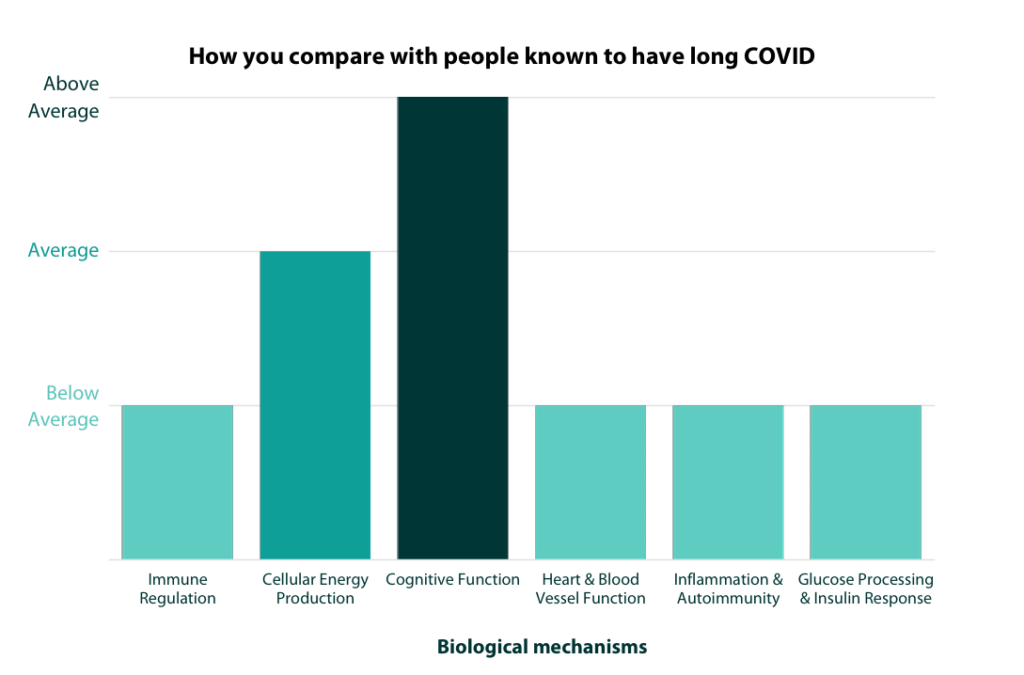
One or more mechanisms typically pop out in each long-COVID patient.
PrecisionLife’s studies have identified six primary mechanisms it believes are driving long COVID. (The same mechanisms are present in ME/CFS.) It identifies where each person genetically is on the long-COVID continuum. The mechanisms include:
- Immune Regulation
- Cellular Energy Production
- Cognitive Function
- Heart and Blood Vessel Function
- Inflammation and Autoimmunity
- Glucose Processing and Insulin Response.
Why might you want to know where you are, genetically, on these different mechanisms? Steve reported that the different groups that make up long COVID are “very distinctive” genetically. While all or most of these mechanisms may be operating in each patient, PrecisionLife has found that long-COVID patients often demonstrate significantly increased or decreased genetic risk factors in some of them.
You may then be able to identify the mechanisms and genes PrecisionLife’s studies indicate may be impacting your illness.
For example, some individuals’ genetic makeup may put them at reduced risk for immune regulation problems compared to other people with long COVID. Others carry genes that appear to increase their risk of blood vessel problems, inflammation and autoimmunity, or energy production.
I was trying to think what I would do if some of these mechanisms popped up. For sure I would provide them to my doctor and see what she thinks. (It helps that she’s an ME/CFS expert.)
Heart and Blood Vessel Functioning – If genetic variants affecting heart and blood vessel function showed up at high levels, I would try things like trioral (electrolyte replacement), L-arginine plus vitamin C, pycnogenol, nattokinase, and lumbrokinase. I would ask my doctor for tests to assess endothelial functioning, blood flow, and microclots. Since mast cells can affect blood flows, I would check out mast cell stabilizers. I would keep a close eye on the microclot studies, which found four different kinds of microclots.
Cognition – If cognitive functioning was high on my list, I would explore creatine, guanfacine plus NAC, low-dose naltrexone, PEA + luteolin, nootropics, stimulants (methylphenidate, modafinil), Jon Kaiser’s mitochondrial support formula, and find ways to improve blood flows to the brain (trioral, orthostatic stockings).
Energy Production – If I had lots of variants that might be affecting energy production, I would go full bore on the broad range of mitochondrial supplements (D-ribose, creatine, CoQ10 + NADH, acetyl-carnitine, oxaloacetate, L-arginine: 1.66 g twice daily, Liposomal vitamin C. Because some people’s mitochondria can’t handle the oxidative stress that comes with increased mitochondrial activity, I would incorporate these slowly. I would see if my doctor would prescribe rapamycin.
I would explore the Kaiser protocol, which includes small doses of stimulants in combination with mitochondrial supplements (NAC, acetyl-L-carnitine, alpha-lipoic acid, tyrosine, taurine, vitamins, and minerals). Because Mestinon improved oxygen consumption during exercise in ME/CFS, I would consider it. Lastly, and perhaps most importantly, I would keep an eagle eye out for Dr. Hwang’s and Dr. Chung’s mitochondrial work at the NIH, particularly Dr. Hwang’s upcoming mitochondrial clinical trial in ME/CFS.
Inflammation and Autoimmunity – If a possible trend toward autoimmunity showed up big time, I would ask for more detailed testing, including a lip biopsy for Sjogren’s (since my mother died of it), to see what drugs might be available. I would explore my high IgG4 results more thoroughly. I would make sure that my diet was anti-inflammatory and explore anti-inflammatory supplements.
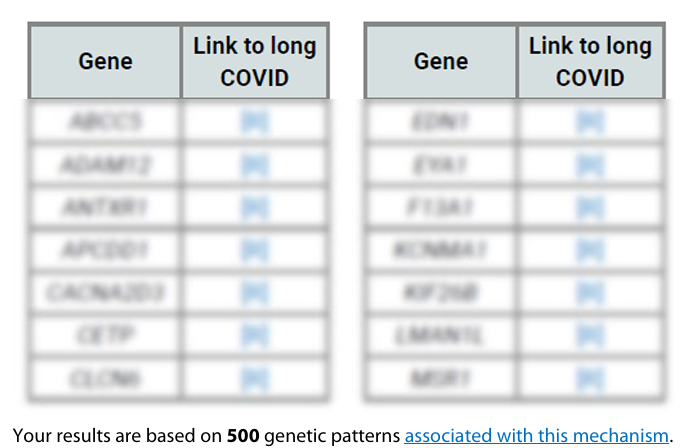
Key gene variants/mutations are provided.
PrecisionLife provides the 10 or 20 or so main gene variants you carry which it believes are making a difference in each mechanism. (Honestly, if I did this test, I would plug my genetic variants into several AI search engines and see what it makes of them. :)) It also provides the characteristic symptoms associated with each mechanism.
The most interesting thing about the genetic report for me is the ability to ferret out genetic risk factors that might make one more vulnerable to one of these mechanisms.
Some Thoughts on the Mechanisms
Steve noted that both COVID-19 and EBV infections produce really strong inflammatory factors. If the infection/inflammation doesn’t resolve, immune exhaustion results. Ultimately, this can result in autoimmunity, and PrecisionLife sees a subset of patients with genetic mutations that put them at increased risk of autoimmunity.
PrecisionLife has also identified at least two pathways for brain fog: neuroinflammation and reduced neurotransmitter production. Same symptom – different causes.
Steve also noted that leaky blood vessels in long COVID and ME/CFS may allow blood to leak into surrounding tissues, where microclots may form. He noted that Dr. Michal “Mikki” Caspi Tal, an immunoengineer and principal scientist at MIT, is getting fascinating results in her nailfold capillary studies. She believes her studies provide a window into microvascular health.
Deeper Look at the Glucose Processing and the Insulin Response Mechanism
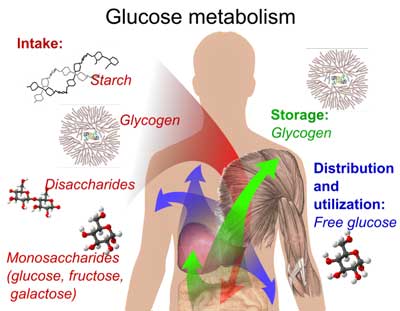
Studies suggest that some people with long COVID could have problems with glucose processing and insulin resistance.
The glucose processing and the insulin response mechanism jumped out at me because: a) the inability to exercise puts everyone more at risk for these problems; and b) metabolic problems are often silent even as they grow.
This area has only recently emerged, but it’s starting to show up in spades. A recent long-COVID overview reported, “Emerging evidence indicates that persistent metabolic abnormalities after COVID-19 may range from transient dysglycaemia to new-onset diabetes mellitus and metabolic syndrome.
Indeed, studies indicate that having a COVID-19 infection increases the risk of getting diabetes by about 40%. (Hospitalization greatly increases the risk. Non-hospitalized COVID-19 patients had about a 15% increased risk of coming down with diabetes over the next year.) This suggests that a COVID-19 infection might nudge the risk upward in a person with metabolic weaknesses. Note that this is full-blown diabetes – something everyone would want to avoid.
Insulin resistance was one area I hoped would not show up in these diseases, yet a seemingly ugly triad (they are all conceivably connected) – chronic inflammation, insulin resistance, and liver disease – popped up in Chris Pontin’s and DecodeME’s large blood-based ME/CFS biomarker study. The researchers reported:
“ME/CFS is thus portrayed by insulin resistance and systemic inflammation, with liver inflammation and dysfunction likely affecting lipid metabolism and the balance between HDL and LDL cholesterol. To our knowledge, the overall combination of blood marker changes we observed does not present in any other disease.”
Across the ME/CFS population as a whole, the DecodeME study found:
- higher triglycerides
- lower HDL cholesterol
- increased triglyceride/HDL ratio
- higher TyG index
- higher HbA1c
- and elevations in ALT, GGT and ALP that can accompany metabolic dysfunction.
The insulin resistance/inflammation/liver findings were the most prominent, but other biomarkers popped out. Lipid and lipoprotein metabolism, which fits nicely with the inflammation findings, was also abnormal, as were complement and oxidative stress.
A large 2024 ME/CFS study found similar results (triglyceride/phosphoglyceride ratio, larger VLDL particles, higher GlycA inflammation signal, and lower HDL-related measures).
It was striking that this particular metabolic component (glucose, inflammation, insulin, liver, lipid metabolism) showed up, given how little focus it’s received over time.
That said, the situation is not dire. It certainly does not mean that most people with long COVID are going to come down with metabolic syndrome or type II diabetes. The changes mostly involved relatively small shifts in laboratory measurements across the entire group.
The fact that physical inactivity did not affect these findings suggested they are part of the disease. That suggests PrecisionLife was on the right track when its data indicated that genetic variants affecting “glucose processing and insulin response” produce one of the six key mechanisms at play in long COVID.
While the changes in laboratory measures were modest, a subgroup likely has more significant issues.
If your PrecisionLife results indicated you have more gene variants affecting “glucose processing and insulin response” than usual, you should probably get more extensive metabolic testing in order to head off these potentially dire consequences.
Peter Attia, MD, has pointed out that metabolic problems are largely “silent” before they become pernicious. Because most doctors don’t do the testing needed to catch them before they become problematic, you can have a growing problem you don’t know about until it gets serious.
If you were to find you were pre-diabetic, you would definitely want to change some things. The consequences of not doing so are too severe.
Attia points out that these metabolic problems heighten the risk of many major diseases, including type II diabetes, heart disease, stroke, high blood pressure, and cancer, and strongly urges that metabolic testing be started early.
Steve reported that PrecisionLife’s work with type II diabetes patients who did well vs those with severe side effects (amputation, blindness, nerve or kidney damage) allowed them to identify 35 severe-disease risk loci, 20 risk-associated genes, 8 druggable targets, and 120 repurposing candidates. They also built a combinatorial risk score (CRS) to predict which complication trajectory an individual patient is more likely to follow.
Educational Guide and Wellness Report
The 81-page Wellness Report provides clear, basic overviews of how the different mechanisms operate and the symptoms each can cause. People who are really up on the disease biology probably will not find much new, but I found having the clear, concise overviews helpful in a disease that can quickly get so complex that it’s easy to miss the forest for the trees.
Twenty pages cover symptoms, why they may occur, the mechanisms they are associated with, and supplements and lifestyle changes that may help.
The next fifteen pages are devoted to short takes on basic lifestyle changes such as deep breathing exercises, fluid intake, managing a crash, symptom tracking, etc.
The last 20 pages describe 13 supplements and the “strength of evidence” for each. It includes the Open Medicine Foundation’s observational TreatME study.
Next for PrecisionLife and ME/CFS, FM, and Long COVID
The ME/CFS, FM, and Long COVID Triage Test
Next up for PrecisionLife is a real mystery beater. Does someone have long COVID or ME/CFS or fibromyalgia? For many patients, the answer might simply reflect which physician they saw. Are they more ME/CFS, or FM, or long COVID-centric?
PrecisionLife believes their testing protocol can distinguish between these diseases. Their data indicate that while ME/CFS and long COVID share mechanisms and overlap significantly, they are distinct enough to be considered separate diseases. The same mechanisms may be operating but, at times, are being produced in different ways.
Precision Life plans to produce a genetic test doctors can order to distinguish which type of patient they have and help them target their treatments more effectively.
The GLP-1 Project
Another project which could benefit ME/CFS, FM, and long-COVID patients is the GLP-1 response project.
PrecisionLife worked with Ovation to identify the genetic signatures associated with strong or weak responses to GLP-1 receptor agonists in 4,600 patients (!). A larger study is underway. Given the dramatically different responses to GLP-1 agonists in these diseases, determining if you’re likely to respond well or poorly (if the results apply to ME/CFS/FM/long COVID) could be very helpful.
Getting the DNA Wellness Report
The Post COVID DNA Wellness report is available at a reduced price ($395) until Oct. 26th when it will go up to $495. It simply requires saliva. Your information will never be shared with anyone other than yourself.
Health Rising is not participating in PrecisionLife’s affiliate marketing program and does not receive proceeds from the sale of this kit. PrecisionLife may, however, become a corporate sponsor.




I was worried about you Cort!
Interesting stuff, I will think about getting this for my daughter.
Epicatechin supplement arrived yesterday from your country to ours (NZ). Epicatechin has been shown to work on inflammation, endothelial, vascular systems. I have been conceptually interested in it for a couple of years.
What made me take the plunge in buying some was coming across a placebo controlled trial from earlier this year that found a 51% reduction in fatigue in long covid. The trial was not large, but the positive results plus what I believe to be a strong theoretical rationale for epicatechin pushed me forward.
Not getting hopes up, but let’s try.
Note that epicatechin is related to, but different from, EGCG in green tea
Interestingly, around 15 years ago high flavanol (epicatechin) cocoa found benefit for fatigue in a couple of small studies in ME/CFS.
I will report back in a few weeks
I’d like to link in the TUDCA/berberine/cocoa experiment of Jerry Freeman at https://www.healthrising.org/blog/2026/09/19/ivo-21-mitochondrial-drug-chronic-fatigue/
Especially his October 12th comment is of value here. Part of it is added below.
The reason that I add it is the following: my view on ME/CFS is tending strongly towards a disease where (many, most of) the symptoms we observe are actually the side effects of our body trying to keep an unknown risk under control (aka Dauer or inhibition of the risk) and that attempt of our bodies provides the long range of side effects that form much of the ME/CFS disease patterns. Producing increased / different patterns of ROS than normal is most likely part of the tools the body uses to try and do so.
When forcing this one potential tool to be as strongly as possibly to be blocked, the fragile equilibrium an ME/CFS body has risks to be upset a lot. That includes a lot of sequencing of important immune and inflammation related events. Inflammation also is a healing mechanism.
The mechanisms that plenty of epicatechin (or TUDCA/berberine/cocoa) block may work well at first, leading to potentially fairly spectacular results (strong drop in symptoms). The problem I see is that it likely affects a too small subset of variables. With hundreds of parameters changed from healthy to the (rather unpleasant!) ME/CFS ‘new Dauer equilibrium’, leaving hundreds minus five or so (that are directly effected by the new treatment) at the ‘new Dauer equilibrium’ and trying to pull five or so to the values of healthy people, the body may have a very hard time to find the needed stability and path to get by itself to the healthy setpoint again. If it fails, it may strongly ‘protect’ that route in order for the patient to never be able to use that method (epicatechin or TUDCA/berberine/cocoa) again. That would be noticed as a sudden stopping of the new wonderfull thing to work and be as bad or worse (because the body now for example has blocked this ‘tool’ by creating strong antibodies against the used chemicals / supplements) than before.
I know it is only a hypothesis, but one that aligns with many patients experiences. Using this hypothesis, I’ve been able to use a variety of new supplements with no real (at least no lasting) setback for over five years. Before I had a number of those good improvements followed by a sudden breakdown myself too (leaving me much worse off). The idea I now use is that I try to only add small enough amounts so that my body has the option to safely work around what I try to do if I do something my body fails to work with. As we are on average a lot more sensitive to any chemicals we encounter then healthy people, that means starting at 1/20 to 1/10 th of the minimun dosis for healthy people and slowly build up to 1/10 up to 1/5 th of that dose.
I know I leave quite a bit of improvement on the table that way and it takes determination to not keep increasing doses if something works for me. But 1/10 of the dose often gives me quite a bit more then 1/10th of the improvement and quite a bit less then 1/10 of both short and long term side effects. Actually, I’ve been able to incorporate (stack on top of each other) quite a number of things this way with minimal side effects.
I know this sounds complex, but it is not an alien concept. There is the saying that the difference between medicin and toxin is often in the dose. Reverse that, and this indicates that many things that have the potential to provide a beneficial health effect (but also come with potential side effects / ‘sensitivities’ that are exagerated in our disease), mainly provide these side effects when trying to aim for the dose that gives the highest amount of beneficial effect. That also means that significantly lowering the dose, the beneficial effects likely will decrease but the side effects have the potential to decrease a lot more. And that leaves in turn room to stack multiple of different supplements with good combined effect but rather modest side effects. Ideally, I agree.
It’s my view, not exact science for sure. But it is IMO worth a try to at least start very low and only rather slowly increase. If we blow up a promissing experiment, the opportunity can be (and often is) gone forever. If we take months to slowly up dose and benefit without it blowing up in our face, we might benefit for years to come. Learning to avoid expensive blowbacks that wipe out years of hard gained improvements has been of high value to me.
” Jerry Freeman on October 12, 2026 at 12:39 pm
A quick update on my TUDCA/berberine/cocoa experiment.
I had about two months of feeling almost normal (after over 30 years of ME/CFS), and at times really good. Then the improvement seemed to stop rather suddenly.”
I’ve had the same thing happen with so many supplements . . .
Me too. Especially with berberine.
Only regenerative medicine will sort this problem
Interesting. I find many positives of berberine including “improves mitophagy” but I also found this:
https://link.springer.com/article/10.1007/s12013-026-02156-3
“Through GEO data combined with single-cell sequencing and in vitro experimental verification, this study revealed the pivotal gene of mitophagy in breast cancer and provides evidence that berberine modulates mitophagy-related genes and *induces mitochondrial damage*.”
It’s under rather specific conditions but even something with so many supposed benefits and so few side effects has the potential to do something we might not wish. (In this study, mitochondrial damage to cancer cells is a pro). Possibly dosing makes the difference? And optimizing mitophagy level is more important than simply increasing it (a lot)?
Confirmation.
Another cancer trial: https://jpet.aspetjournals.org/article/S0022-3565(24)34151-5/abstract
“The data show that *berberine is selectively accumulated by mitochondria*, which is accompanied by arrest of cell proliferation, mitochondrial fragmentation and depolarization, oxidative stress, and a decrease in ATP levels. Electron microscopy of berberine-treated cells shows a reduction in mitochondria-like structures, accompanied by a decrease in mitochondrial DNA copy number. Isolated mitochondrial fractions treated with berberine had slower mitochondrial respiration, especially when complex I substrates were used, and increased complex I-dependent oxidative stress. It is also demonstrated for the first time that berberine stimulates the mitochondrial permeability transition.”
=> Berberine selectively *accumulates* in mitochondria. That means it’s working is dose and time dependent. And looking at ‘regular’ literature (plenty of anti-inflammatory and beneficial functions of berberine on mitochondria). At high dose (*accumulated, over time, inside the mitochondria*) it does close to the opposite and becomes toxic to mitochondria and the cells they are in.
=> This provides (the start) of a direct model of what happens with berberine (and likely other supplements too) in ME/CFS.
* At low *accumulated* dose, effects are positive. People get fairly quickly better.
* Patients are happy and keep taking it or think it is beneficial and take even more for more effect.
* For a time, berberine inside mitochondria accumulates and effects get even higher.
* Patients get even more confidence in it.
* From a certain time on, *accumulated* concentration of berberine in the mitochondria overshoots the optimum; positive effects start to decline.
* As the effects are at that time still positive, patients keep taking it at the same dose. Berberine further accumulates and becomes a downright hazard. Health declines / collapses beneath the starting point.
* As simply quitting the dosage only slowly reduces the accumulation of berberine in the mitochondria, patients fail to notice any difference (temporarily) quitting taking it. As their health is now worse and berberine gave the impression to improve it, they often keep taking it in hopes to cling on to and get back the earlier improvement.
* worst case, this toxic insult from accumulated berberine acts similar to a strong bout of flue or weeks of continued overexertion and tanks the patient’s health for months or years to come. Alternatively, the strong spike in inflammation creates antibodies against the product.
=> In some cases, slow and steady wins the game. Risks for overshooting the optimal point and ‘invisible’ toxic accumulating with slow washing out times is reduced.
Note: likely this optimal range is much smaller for many products in ME/CFS patients than in healthy people. Safe doses in healthy people may not be safe in ME/CFS patients.
This reminds me of a time when just about anything I took had really positive effects – rather quickly – actually as soon as my muscles felt loose and relaxed – I would basically fall apart. the more I took it the worse I got. Never got to the sources of that.
“I would basically fall apart”
If that would happen quickly too after initially taking the stuff, would many instances of it be like a sudden switch from feeling ‘super’ to feeling very anxious and overstimulated and ‘attention deficit disorder’ and pain and dysfunction going up very rapidly making you feel sorry you even tried it?
Kinda damned if you do, damned if you dont really..
Ive added chromium picolante yesterday.
Fekt so clear headed.
Wonder how longg thatll work
Note: berberine seems to be extra deceptive / tricky, as berberine plasma (blood) values drop very quickly (in one to a few hours), easily leading to the impression it does not accumulate. But it does, only in mitochondria rather then plasma.
Thanks for sharing!
What a nice combination – Epicatechin has been shown to work on inflammation, endothelial, vascular systems – I will look into it for myself 🙂
Genetic studies leave out a big piece of the puzzle. Different mutations of Covid can cause different health problems. My first bout of Covid caused A-Fib and high blood pressure diagnosed by a cardiologist. That had resolved when eight months later the second Covid infection with a different virus mutation caused loss of balance and walking ability and a burning sensation in the brain. Which gene should you treat?
There is an interesting trial going on in NZ right now. Maybe you know about it.
https://www.anzctr.org.au/Trial/Registration/TrialReview.aspx?id=387022
Never heard of it! It’s actually being done in Australia, it seems.
It sounds like a very interesting trial, with a very plausible mechanism! Centred on the mitochondria.
It is interesting how these sorts of promising trials can occur without many people being aware of them! That’s good!
Thanks for posting this, I was not aware even though it’s pretty much down the road. Sadly don’t fit the criteria but will try to keep an eye on it.
Deakin is a fairly small university but I think they are doing a couple of project within this area (LC, ME/ CFS). 🤞🏼
@Matthias: epicatechin is showing similar characteristics as does berberine: at too high doses it appears to be highly toxic by my understanding of what I found.
It too can induce apoptosis (cell death) in cancer cells https://pmc.ncbi.nlm.nih.gov/articles/PMC7179206/
While that once more is a good application, that would be quite undesired if it happened in ME/CFS. Figure 2 shows it can reduce cancer cell viability to 20% at high doses. It also shows that healthy endothelial cels are not affected.
I do find their interpretation of figure 2, “Figure 2C shows that the flavonoid did not induce any antiproliferative effect in the noncancerous cells, suggesting that the antiproliferative effect of (−)-epicatechin is selective to cancerous cells.” however highly optimistic. Testing two and only two different healthy cell types is IMO far too few to come up with this conclusion. It only takes one cell type to be vulnerable to it to induce serious side effects (which might be acceptable in cancer treatment compared to alternatives). In ME/CFS, where cells allready may be far from normal healthy equilibrium this may not hold either.
I can however agree with “These data strongly suggest that the flavonoid had an impact in the mitochondrial compartment, which generated increased ROS production, oxidative damage, and consequently the induction of apoptosis in cancerous cells.”
Now figure 6 shows how and why high doses of epicatchin *might* work differently in cancerous cells versus healthy cells: epicatchin *might* trigger high amounts of ROS production through triggering trail receptors (dr4 and dr5 on the picture, also named death receptors for a reason). These receptors would be increased in cancer cells. Why is that important:
That sounds like one of many receptors that is continously produced and continously activelly removed by healthy cells. Less healthy cells keep producing them but get worse at removing them. Hence more receptors are on the cell surface marking these cells as ‘problematic’ or ‘old and damaged’. So we get close to aging and senecent cells.
So this leads to https://pmc.ncbi.nlm.nih.gov/articles/PMC5622446/
Title “Decoy TRAIL receptor CD264: a cell surface marker of cellular aging for human bone marrow-derived mesenchymal stem cells”
=> This opens the possibility that weaker cells, like aging cells and plausible ME/CFS cells that kind of ‘act like they are senecent’ also have increased trail receptors. IF so THEN many types of ME/CFS cells might be quite a bit more vulnerable to high dosis of epicatechin.
Translated in simpler English: while it is still a hypothesis, high doses of epicatechin are shown to be toxic to at least some types of ‘damaged’ cells: cancer cells. The hypothesis as to why this is overlaps with what happens to senecent (aging,old) cells. Those IMO share characteristics with ME/CFS cells (they IMO behave in many ways similar and having a bad case of ME/CFS feels like being 100 years old). All that would combine to: in weakened conditions like ME/CFS (and plausible elderly people) low doses of it might help but higher doses (including advised doses if they accumulate in tissues?) *could* plausible worsen cellular and mitochondrial functioning.
A similar study on a closely related chemical is another interesting and challenging read https://www.nature.com/articles/s41419-022-05343-1
Tittle “Epigallocatechin-3-gallate inhibits osteoclastic differentiation by modulating mitophagy and mitochondrial functions”
Now osteoclasts are normal healthy cells. Now look at figure 2E and 2F. (Note: I must admit that the mixing of control, OC and OC + ECGC is confusing to me, how does control differ from healthy OC?)
The important bit: high dose epigallocatechin-3-gallate simply tanks ATP production in (by as far as I understand healthy OC cells) OC cells. Aerobic ATP production is absolutely tanked and anaerobic ATP production also gets a serious hit.
This quote is important “Excessive OC differentiation causes an imbalance in bone resorption and that helps in the development of bone-related diseases like arthritis and osteoporosis.”. Also from the paper, OC differentiation requires copious amounts of ATP.
IF my understanding is correct:
* this is a demonstration that high dosis of ECGC can tank mitochondrial ATP production in at least one type of healthy cells
* tanking this ATP production can be benificial in preventing bone cancer and diseases like arthritis and osteoporosis
Three conclusions of mine:
1) EGCG and related components seem to be able to significantly reduce ATP production at high doses
2) As tanking ATP production keeps OC differentiation in check, then the body *MIGHT* have a dedicated mechanism to significantly reduce ATP production as a tool of the body to try and keep diseases as bone cancer and arthritis and osteoporosis (that get worse when OC produce plenty of ATP) in check ‘when needed’.
3) Women are at greater risk to develop arthritis (I checked) and osteoporosis (well known) then men. This *MIGHT* (hypothesis / far fetch) set the trigger for ATP inhibition quite a bit sharper in women compared to men if there did exist a mechanism to (body wide) reduce ATP as a safety mechanism against bone cancer and arthritis and osteoporosis in the first place.
Very interesting.
So have I got this right? Depending on which area is more implicated, as demonstrated in the test, you could then focus on approaches (eg. Supplements) that might help that particular area.
So if cellular energy was heavily implicated, for example, it might hint at mitochondrial therapies?
Thoughts?
Yes – that’s how I see it – I added a section to the blog on that 🙂
So, is this how it works?
– the test shows which areas are most implicated in any particular individual
– depending on which areas/s is most implicated, a person can tailor approaches to that particular area
– eg. If cellular energy is most implicated, could focus on mitochondrial approaches
And I guess it could be applied to patients with ME/CFS, given the overlap in these various pathways
But a key question – it indicates genetic risk in particular areas. But that doesn’t*necessarily* imply that is causing a problem?
For example, if I did the test and it showed that genetically my immune regulation was above average as a biological mechanism, that doesn’t necessarily mean that that genetic risk is playing out in my illness, does it?
Rather, it is an indication that it might be?
So it’s not necessarily precise, in a clinical sense.
Have I got this right?
Yes, that’s my thinking. Genetics is just one slice of our illness but it’s encouraging that the PrecisionLife’s genetics analyses are essentially replicating what the research has found. They’re implicating the same general pathways.
How frustrating for you Cort. I describe this illness as like trying to do a jigsaw without a picture. Even with your connections and insight the struggle is very real. Here’s hoping you’re right about the lower altitude.
Have entered details for updates on when it hits Australia.
Thanks for using your spoons to review this for us all, much appreciated.
Now take care and pace yourself.
A jigsaw only partially filled in – a very nice analogy. I just talked to my doctor yesterday and we’re going to try a mast cell approach first. She thinks it might be very helpful 🙂 I’m glad there are things to try.
Sorry to hear you are still struggling at present Cort. Thank you for continuing to keep us all up to with latest findings.
I had my Whole Genome Sequenced (WGS) and amongst the overwhelming amount of information that returned from that was the identification of several “covid related” genes which were annotated along the lines of 1) likelihood of developing severe Covid, requiring hospitalization; 2) increased likelihood of developing severe respiratory illness from Covid; 3) Increased likelihood of death from Covid and 4) increased likelihood of developing Long Covid. To date I have not contracted Covid 19 thank my stars (and my mask wearing on account of my ME/CFS). I have wondered whether everyone (or at least the majority of people prior to catching Covid 19) would have these same WGS results show up, purely on account of Covid 19 being a novel virus ie technically none of us have inherent or established immunity to Covid, until after we contract it, right?
OR am I in a smaller subgroup with these specific genetic variants which would put me in a “higher risk” category should I catch Covid 19?
OR do these genetic variants need some sort of “switch” (epigenetic?) to be activated…or would that activation be by way of the Covid virus itself?
I wonder if Precision Life’s genetic research is also WGS?
All too much for my someone spongy brain at the best of time!
Look forward to comments from the well-researched and more learned among us…
That’s fascinating that the WGS now incorporates long COVID physiology. That’s really good news. I think, in part, your susceptibility is a function of how turned on or off those genes are. My guess, though, since those results are annotated and must derive from studies that you genetics may put you at a somewhat higher risk.
Higher risk is a pretty broad term, though. I’ve found that studies which say “higher risk” can sometimes mean just very moderately increased risk. You really have to dig into stats to see what is so. The DecodeME report on insulin resistance seemed horrifying until I asked just how off the results were. They were off but only to a modest degree…It’s hard to tell.
It would be great to compare the WGS of people who recovered quickly from COVID to those who came down with long COVID. I’m a little surprised that that – to my knowledge anyway – has not happened.
PrecisionLife, if I have it right, does not, at least with ME/CFS and long COVID, do its own sampling. Instead, it uses datasets that others, such as DecodeME, have gathered for its analyses.
The present report, on the other hand, will use a kind of whole-genome sampling “lite” done by Gencove. It’s broader than, say, 23andMe but not as in-depth as deep WGS.
Once DecodeME gets done with its ME/CFS and long COVID WGS, though, PL will be able to run its models using that data. That WGS will provide a huge amount of data.
I had my sequencing done by sequencing dot com earlier this year and as I read it (I may be wrong) their “risk” categorization is based on the amount (= quantity) of peer reviewed research which sits against each gene variant. It intrigued me that they obviously have sufficient numbers of research papers around specific genome variants and their respective relationship to Long Covid, to make the statements that they have against my genome.
I’m surprised too! I guess they had nothing on ME/CFS?
Correct. Interestingly though was that when my WGS results came through a little note popped up asking if I would share my WGS with The Norris Lab, to be part of studies into EDS. This was on account of some EDS and other connective tissue gene variant’s I evidently also have. (Seems that sequencing dot com must have some study linking arrangements with Norris and maybe other studies also?) I did the Norris Lab link and noted that their study questionnaire asked if I had ever suffered from ME/CFs or FM.
The other very obvious questions now are, are the gene variants sequencing dot com have ear marked as indicators to susceptibility to Long Covid etc, the same one’s Precision Life have in their findings?
And, as you ask below, are there any ME/CFS studies or universities lined up to link in with sequencing.dot.com and essentially mine our WGS for ME/CFS research?
It would be interesting to know more about how the Norris Lab was able to hook up with them, right? Can you find out Cort?
Glad to see you back, Cort. Sorry about your struggles with altitude. Which brings me to…
“Ski Sickness.”
I know I sound like a lunatic when I suggest such a condition is a real thing. But before my 10 years of mild ME symptoms, and long before my triggering event (which has led moderately serious ME), I experienced “ski sickness.”
“Ski sickness” is not altitude sickness. (Though altitude is a contributing factor.) “Ski sickness”–nausea, headache, confusion, extreme muscle weakness, shortness of breath–is caused by a combination of conditions. I have mountain biked at high elevations without an problems at all, but to be locked in an unnatural position in ski boots; to be swooshing back-and-forth so that your ears are doing what they do when on a boat; when the visual processing is thrown askew due to being on and looking at inclines (with lots of distant, empty spaces and especially fog) add up to a complete and rather graphic physical breakdown. I’ve always believed that some clues to what makes ME lie in the sickening phenomenon that is “ski sickness.”
I realize this is a bit of an aside and makes me sound pretty woo-woo, but I thought I’d toss it out there.
I don’t think it makes you look woo-woo at all. I think it’s perfect.
Your body is more rigid, the quick alterations in visual stimuli with your head bopping up and down and back and forth, the changes in the slope, the trees in combination with immense visual spaces, really seems like a perfect recipe for disorientation.
Years ago I had tremendous trouble going over bridges and driving on freeways especially at night. I always had to stay in the far right lane. The visual noise was just too much. A couple of times I lost depth perception – one of the most frightening things I’ve ever experienced.
“Ski sickness” is a form of motion sickness that some people get while downhill skiing. It’s also called Häusler’s disease, after the Swiss ear, nose and throat specialist who described it in 1995. Symptoms are similar to other motion sicknesses: dizziness, headaches and nausea, and in more extreme cases vomiting. Häusler’s original paper also mentions illusionary rotatory or pendular sensations and disequilibrium. per Wiki. Also it is suspected up to 10% of skiers experience this so it’s definitely not woo-woo. 😉 And depending on the category you fall into from above, it actually might show some kind of predisposition. Hopefully tis study will help!
Motion sickness is frequently linked to Ehlers-Danlos Syndrome (EDS) because faulty connective tissue affects the neck, inner ear, vision, and autonomic nervous system. EDS is far from being a joint disease.
No eds, no cfs for the vast majority of us
I’m probably going to wait for the test to differentiate between LC and ME/CFS. I got sick at the beginning of the pandemic, but hadn’t had any exposure to anyone with a known case of Covid, and I tested negative for covid and covid antibodies. At the time I had an undiagnosed case of hyperparathyroidism, which was diagnosed (and resolved through surgery) several months into my illness, and I have always thought that it may have initiated my illness. I realized in hindsight that I had POTS for quite a while and had a very severe case of mono as a teenager and never felt quite the same after. I’m 73 now and have been sick for 6 1/2 years, but honestly had a lot of milder symptoms for 10 years before becoming mostly housebound. I tell people that I have LC even though I believe I actually have ME/CFS that happened to start at the beginning of the pandemic. I don’t want to have to explain what ME is all the time, and I don’t want to refer to it as chronic fatigue syndrome.
I think what Precision Life is doing is great, but I have tried most of the supplements and medications already so an expensive DNA test likely won’t get me anywhere. I have spent so much money on this already and frankly gotten nowhere. And had so many difficult side effects. I am now in a place of being more conservative about trying new things.
Sorry to hear that you are still struggling Cort. I hope you are on the upswing soon.
Is anyone looking at autists as a distinct patient subset? Like many autistic people, I have extreme medication sensitivity and am prone to paradoxical reactions, and none of the doctors I’ve seen know how to deal with this. I’d be interested in doing the genetic testing, but not if it’s going to lead to the same recommendations based on what works for allistic people.
A distinct subset of ME/CFS or long COVID? I don’t know if anyone is looking at that but that doesn’t really matter. What would be interesting to see one pop out at some point. Sensitivity to medications and paradoxical reactions is certainly not uncommon in ME/CFS.
Dr. Clauw thinks it’s due to general sensory sensitivity, which I imagine would fit autism, ME/CFS, and FM pretty darn well. If someone could figure that out that would be huge.
Technically Long-COVID, in my case, but my symptoms also match ME/CFS. I’ve tried LDN (crash), methyl-folate (crash), NAC (helped for a bit, then made things worse), microdose GLP-1 (suicidal thoughts), and then I said no more meds, at which point my doc said she couldn’t do anything else for me. I’ve seen posts from other autists with similar experiences, and it just seems to me that autism should be taken into consideration when studying the potential effectiveness of these treatments.
Given that some of us have already had our full genome sequenced, why isn’t there a way to provide that and just get the report?
That would be nice. You would have to ask PrecisionLife but I imagine everything in this process is highly integrated: the company doing the sequencing, the analysis done on that kind of sequencing, etc. it all goes together in part to build out the infrastructure for future projects. Adding something novel – say a WGS from another company – might be difficult (???).
That’s just a guess.
I have my whole genome sequenced so if its possible to do that – when they get to the ME/CFS report I would love to include it if possible.
I wonder how many people have their WGS sitting out there – perhaps quite a few – and how they could be utlized by researchers.
I’d love to provide mine. Anyone looking for WGS’s?
About a year ago there was Cort’s first blog on Precision life at https://www.healthrising.org/blog/2025/10/27/precisionlife-chronic-fatigue-long-covid/. I remember I wrote a rather harsh first comment up there and took a lot of heat over it. Partly was deserved. I had looked too few into it before going on a rant. Still, the assumptioms I made about the business model seem to in part have been prescient.
Now there is a genetic test for sale. And ill and desparately ill people will buy it and connect details about their person and illness to it. That requires very strong privacy measures and data security. If not, that data can be weaponized against you at any moment especially if you live in a country which runs on private health insurance either directly or through government subsidies.
The data they do gather this way is and will be one of the most valuable assets of the company. The value of that data is higher when they have a single and clear dataset. People providing similar but different and partial datasets decreases the value and monetisation potential of the (whole) dataset they gather a lot.
It’s up to people to trust them with it or not, and trust they will be willing and able to keep it safe. That includes to spent heavily on a highly qualified cybersecurity team and to not go bankrupt. Bankruptcy automatically makes this highly valuable dataset for sale to the highest bidder and that one will exploit it to the last cent.
I am far from against genetic testing and data mining for trying to cure diseases. I, and many others, however believe this should be done by strong organisations that put results before profit and that have the means to strongly protect the data even in events of unsolvency. A venture capital backed company is about as far away from that ideal as it could be.
I believe that any blog about companies that handle the combinations of personal information, disease information and genetic information should come with a clear note about the risk if that information falls in the wrong hands. It is a matter of clearly and respectfully informing the readers and give them the information they need to make an informed decision.
I’ll leave it to that, in order to not further increase controversy. A clear note about potential generic risks could avoid such controversy in future blogs.
Thank you for your thoughts, very interesting and well worth considering, as always.
fair points.
It does raise a question too, as to whether patients should be spending quite a bit of money on something which ultimately benefits the company. I guess the argument would be it benefits a patient too. It would be interesting to know if it is ‘discounted’ in any way to reflect this benefit for the company.
PrecisionLife cannot use this data in their studies for a couple of reasons one of which is that they’re getting self–identified patients; i.e. it’s not rigorous enough for a study.
It will help them build the infrastructure for further work, though.
As to helping the company – that’s actually one reason I would participate in this if I had long COVID – I like what PrecisionLife is doing and want them to do well.
When I did my WGS I gave a pseudonym….not too worried about privacy issues. I’m in my sixties and I’m in a country which has state funded medical care. I’m not required to offer up my WGS to my doctor and don’t intend to do so. On balance I feel it is unlikely that my WSG will be weaponised against me in my remaining lifetime and that its use by science may in fact contribute to a better outcome for the younger family members who also have ME/CFS. However, I agree that “our” data being given over to Precision Life; or Amartica or any other company will essentially become their intellectual property and will contribute to their business model and ultimately line their pockets.
Hello, this is Rowan from PrecisionLife here. Thank you for all your comments.
At PrecisionLife we take privacy and data security very seriously. We are ISO 27001 (IT security) and ISO 27701 (privacy) accredited.
Our terms of service (section 5) makes it clear that consumers own their data.
The company can not use the data for any research (or IP benefit) unless consumers give us explicit consent, for example for a specific IRB approved study.
Consumers can leave their information securely stored in their portal; or delete it; or perhaps more it to another registry to make it available for research.
The terms of Service also includes this undertaking “We do not treat your User Content as our corporate asset. In the event of a merger, acquisition, restructuring, or bankruptcy, PrecisionLife will provide at least thirty (30) days’ advance electronic notice, granting you a 30-day data download window to retrieve and/or delete your files before storage ends.”
Our terms of service are here https://shop.precisionlife.com/policies/terms-of-service
Mattias and Long White Clouds are entirely correct to raise this concern. I would want to know exactly what the policy was if I was considering purchasing genetic or genomic testing from a commercial concern.
Thanks for your reply.
I must admit, what you tell is one of the better if not best privacy policies for a US based combined biomedical and big data company. It’s a minefield in big data land for regular people let alone for patients with very few energy to wade through every TOS and privacy term.
With near any big data company, “we value your privacy” in practice means that they put a monetairy value on your private data and will try to protect it from others having their hands at with without them being paid for it.
Therefore my sincere apologies for my strong ‘I have seen and heared this time and again’ reaction. When I am wrong I am wrong.
I feel you can set that much more central as a unique selling point front and center at the homepage, as it is indeed a very rare thing ‘in this world’. I checked there and could only find 2 ISO certification labels (which tell very few to the average consumer / patient) and a small “privacy policy link” (which near always holds terms one should not agree to).
I think two more additions could top it for giving privacy conscious patients the trust they need:
A) Make clear if or how these TOS protect against the rampant ‘we change TOS however we want after your purchase as many times as we want and that new TOS is now describing all the rights we have even if you agreed to our far better TOS years ago’ (or alter them so that they do).
B) Even better, offer the option to encrypt the genetic file and all other personal data including names and diseases and address with a user specific password (that is not stored by the company in any way) and communicate that as an extra safeguard. In that way, (energy depleted) patients don’t need to actively worry / keep an eye on mails concerning takeover or bankruptcy or a hacking / ransomware event.
As this would leave no recovery option, this is an option that needs to be explained well. Offering this option in a way that the password can be reset if forgotten defeats the purpose. Then any future owner or strong hacker can as well.
I feel B) is already close to the data protection and business model you seem to communicate and would take away much of the concerns many patients have. When implemented well, the patient still could easily authorise any operation they agree upon to be processed by your company.
Thank you for you reply and thoughts.
I chaired a data safety and security board sub comittee for a health system (3.3 million lives). Given the increased cybersecurity risks, I will not expand on any data security/privacy measures in the system design. However, everyone is free to retrieve their records, secure them and request deletion of their files.
I can add that we have contracted with the sequencing lab to destroy any remaining biological sample within 30 days of recieving a viable sample for returning a report. This ensures there is no freezer full of your material that could be resequenced or sold to a third party for resequencing.
I hope this provides reassurance.
With best wishes. Rowan
I participated in “23 and Me” early on because I was interested in my methylation genes. This is what has happened.
Chapter 11 Bankruptcy: 23andMe filed for Chapter 11 bankruptcy in March 2025 after deep financial losses and a major 2023 data breach that exposed the profiles of nearly 7 million users
Excellent article and reference. My sister has severe Long Covid, and right now, she has few effective treatments. I am highly encouraging her to get this test.
Very nice of you to watch for her, Steven! She has a good brother! Good luck!
Another amazingly detailed blog, Cort! As for your ongoing symptoms, I suggest looking into getting massage of the clavicular branch of the sternocleidomastoids. Trigger points in the clavicular branch are known to cause nausea and cold sweats. There are many perpetuating factors so change in altitude could be one of them. The external abdominal obliques also cause severe nausea and I know that from experience when I lost 25 kilos a couple of years ago.
I was one of the study participants who received a free report. To be honest, it was very underwhelming and didn’t tell me anything I didn’t know from lived experience (I have genetic variants that suggest I have high fatigue, no kidding?!) I would *never* pay $395 for this test. Maybe $100 for curiosity. Just want people to be aware before spending their limited funds.
Good points. I mean, it’s probably largely just confirming hunches or already knowns. It’s a lot of money. And what does it really inform?
hmmmm
I agree, I might pay $100, but not US $395
Does it come with suggestions of what to do for your identified genetic sub group?
The genetic test you are describing is currently only available in the USA. Sounds interesting though. I hope you continue to improve. Is what you are experiencing also maybe due to the so-called October Slump?
Bit off topic…. i had wisdom teeth removed a week ago, not nice. But what I have found is that my energy levels have been better. I have ‘mild’ ME/CFS, I usually need a one hour nap in the afternoon, I haven’t since the procedure.
Two theories:
– all the ibuprofen and panadol I am taking is knocking inflammation down; and/or
– the very different diet is giving me benefits
I find this sort of thing interesting. It tells me improvements are possible , if we can just better understand illness mechanisms
Matthias, how is your pain after the procedure?
At times my ME/CFS pain gets elevated to a degree that I get “sick.” Which is to say I get symptoms that feel like mild flu. (Perhaps due not to LESS inflammation, but MORE inflammation.) At those times I cross a threshold and instead of my sleep being MORE disrupted than usual, my sleep is LESS disrupted (i.e. not disrupted AT ALL). These are the only times I get deep sleep and feel “refreshed” in the a.m..
Some thoughts on what may have contributed to this lift in health for you
1)Wisdom teeth can sometimes be a source/cause of low-grade bacterial infection (often in the gums and deeper oral tissues surrounding the roots) which of course can have a body-wide systemic impact. The immune system would be constantly tackling it. Their removal alone and subsequent oral healing should resolve this.
2) Antibiotics post surgery, to resolve the above also.
No antiobiotcs!
Interesting thoughts re: bacteria.
My thinking is the improvement is something to do with inflammation/ immune mechanism. Maybe diet too. Lots of soft foods, and more towards plant-based, rather than lots of protein and carbs like I normally eat…
Maybe that is the bigger factor.
When I broke my ribs 4 years ago I had lots of inflammation and felt noticeably more fatigued/depressed. I assumed this was inflammation. The wisdom tooth removal creates lots of inflammation. The drugs reduce it but presumably baseline inflammation remains above normal. So my idea that it is the antiinflammatory medicine that is helping the fatigue night be flawed.
Having said that, there are some interesting anecdotes out there of biological shocks leading to improvements and sometimes even remission. Although more often they seen to result in deterioration
Again off topic.
Just listened to a good APR interview with Akiko Iwasaki of Yale on latent and reactivated viruses.
As regulars know, I have been a bit skeptical on this, but I am coming around to the theory somewhat.
I also came across this major study that found reactivated viruses in acute covid and long covid. And one enterovirus in particular. Made me think of Dr John Chia’s work.
https://www.nature.com/articles/s41586-026-10740-z
Hm, I wonder how much that is worth considering that having a high risk variant does not yet mean it’s been switched on epigenetically, at least that’s how I understood it?
Here’s a taste of what these shots are doing to us….
https://www.facebook.com/share/v/1Lt8RycMoi/
Last I checked, the report is only available in the US. Has it changed? Can you sidestep if you have access to a friend wth a US address?
Hi Cort:
If you already have 23andMe data, you can explore genetic variants in interleukin (IL) and other immune-related pathways. Their rsIDs allow you to cross-reference findings with scientific research through databases such as dbSNP and SNPedia. Promethease may also provide clues about HLA-related genetic susceptibility, although it cannot replace specialized HLA typing.
Using this approach, I identified genetic variants associated with the IL-23/IL-17 inflammatory pathway, with subsequent blood tests providing supporting evidence of abnormalities in this pathway.
These findings helped guide further medical investigation and ultimately led to very successful treatment with Skyrizi (risankizumab) for my inflammatory skin condition and associated allergic symptoms.
While genetic variants alone do not prove active inflammation or disease, combining DNA data, laboratory findings, and scientific research can provide a relatively low-cost starting point for exploring individual immune, allergic, and histamine intolerance (HIT) susceptibilities and identifying potentially relevant treatment pathways.