




Geoff’s Narration
The GIST
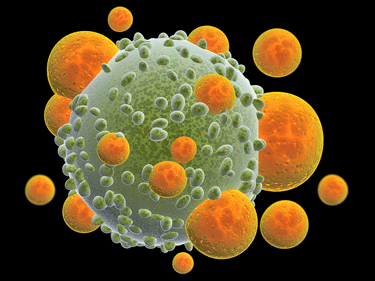
T-cells attacking a damaged (in this cancerous) cell.
One of the immune system’s premier hunter-killer cells, cytotoxic (killer) T cells (CD8) find infected, cancerous, or damaged cells, and then bore holes into them and trigger their suicide program. We rely on them to mop up infections. If they don’t work well, infections can persist, and inflammation can rise as the highly inflammatory innate immune system tries its best to compensate.
Researchers have found abnormalities in these hunter-killer cells before, but they haven’t determined why they happen, and that “why” is crucial because it answers the bigger “what” question: which treatments to use.
The Painter study took a major step forward in our understanding of what these powerful cells do in long COVID. Interestingly, the answer dovetails with what we’re learning about them in ME/CFS.

THE GIST
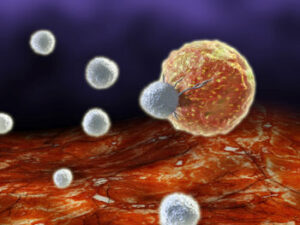
T-cells attacking a cancer cell.
One of the immune system’s premier hunter-killer cells, cytotoxic (killer) T cells (CD8) find infected, cancerous, or damaged cells, and then bore holes into them and trigger their suicide program. If they’re not working well, infections can persist, and inflammation can skyrocket.
Researchers have found abnormalities in these hunter-killer cells before, but they haven’t determined why they happen, and that “why” is crucial because it answers the bigger “what” question: what treatments to use.
This large study took a major step forward in understanding what happens to these stalwarts of the immune system.
Cytotoxic T-cells find and destroy infected cells. As they roar into action, they produce hordes of clones trained to attack specific viruses.
Once the virus is vanquished, there’s no reason to keep these amped up, energy-intensive T-cells on their search-and-destroy missions. Some researchers have speculated that chronically activated T-cells drain energy from other parts of the body.
Within a couple of months, they usually disappear, leaving T-helper memory cells on standby. They’re sprinters, not marathon runners.
The study looked for specific cytotoxic, or killer, T-cells activated by SARS-CoV-2 (coronavirus) and/or the Epstein-Barr Virus (EBV). In some cases, they found that even 18 months later, a significant subset of long COVID patients still had activated cells.
These activated cells were present in about 40% of long COVID patients; i.e. they are not contributing to all long COVID patients.
That is highly unusual and suggests several possibilities: the coronavirus has not been fully eradicated but remains present and replicating, likely in a hidden reservoir in the body. EBV, which almost all of us harbor in our cells, has become activated. The coronavirus may also have been eradicated, but it left behind fragments that tweak the immune system. In EBV’s case, a smoldering infection could produce proteins that chronically tweak T-cells.
Whatever the reason, these chronically activated T-cells end up in the same place: exhausted and unable to mount the immune response we need to eradicate pathogens.
The next step is clear – determine exactly what – the whole virus, bits of virus, virus-produced proteins – is activating these cells. Note, though, that it’s also possible that the chronic activation has also triggered an autoimmune process. Once the trigger(s) are determined, the treatment pathway becomes clear.
A complementary approach in ME/CFS has come to the same conclusion. Instead of looking for specific pathogen-activated T-cells, though, the Selin-Kumar-Kohlburger group first found abnormal T-cells (damaged CD8 and CD4/CD8 double-positive cells) and determined that long-term activation is present.
They are now looking for the trigger that turned them on. Because they’re looking at all possible triggers (instead of coronavirus- or EBV-specific T-cells), their approach (which needs funding) is more comprehensive. They believe that if they can identify the triggers, they may find what’s driving ME/CFS.
Another approach from Ariza and Williams at Ohio State University shows that a smoldering herpesvirus infection that fails to replicate but still pumps out proteins that tweak the immune system is present in a substantial subset of ME/CFS patients. It could produce many ME/CFS symptoms.
In 2019, Manual Ruiz-Pablo’s group received a Solve ME Ramsay Award to investigate the idea that people with ME/CFS have an immune deficiency that prevents them from keeping EBV in check.
Ruiz-Pablo believes that all post-infectious diseases like ME/CFS and long COVID have one thing in common: they suffer from an inability to fully clear (or, in the case of EBV, inhibit) viral or bacterial attacks.
This “immune hole” hypothesis could explain why the 2008 Dubbo studies showed that very different pathogens are able to produce the same ME/CFS-like state.
Pablo-Ruiz believes the new long COVID study will ultimately open the door to precision-guided treatments that will help us solve long COVID and ME/CFS.
Finally, EBV research in the ME/CFS/long COVID arena is heating up! Leonard Jason and Nancy Klimas have just received grants/donations to assess EBV effects in these diseases.
Support Health Rising and Keep the Information Flowing!
Health Rising is not a 501 c (3) non-profit
Going Deeper Works
The latest big long COVID study, “Persistently activated virus-specific CD8 T cells indicate antigen-driven immune aberrations in long COVID, from Mark Painter and colleagues, demonstrates one thing we’ve been learning in spades in the ME/CFS and long COVID fields: going deeper works.

The deeper you dig, the clearer these diseases become.
Ordinary tests simply don’t cut it in these diseases. The NIH’s long COVID Recover project learned that the hard way when they put a billion dollars or so into giving mostly unsophisticated tests to tens of thousands of long COVID patients and healthy controls and came up drawing blanks.
You have to dig deeper. That’s what Maureen Hanson and company and what Lissa Selin have been doing with their single-cell analyses in ME/CFS, and that’s what Painter and company did in their nice, big 300-person study. When they found nothing of significance in the entire circulating cytotoxic (killer) T-cell population, they didn’t throw up their hands…They dug deeper.
Instead of looking at the broad array of T-killer cells, Painter focused on looking for cytotoxic or killer T-cells activated by the SARS-CoV-2 (coronavirus) and/or the Epstein-Barr Virus (EBV). In some cases, they found that even 18 months later, a significant subset of long COVID patients still had activated cells.
That is highly unusual. Cytotoxic T-cells are meant to find and destroy infected cells, not hang around. As they roar into action, they produce hordes of clones trained to attack specific viruses. Once the virus is vanquished, there’s no reason to keep these amped up, energy-intensive T-cells on their search-and-destroy missions. Within a couple of months, they’ve usually disappeared, leaving T-helper memory cells behind to stay on the lookout. They’re sprinters, not marathon runners.
Researchers had found coronavirus-activated T-cells in long COVID before, but no one has been nearly as comprehensive as Painter was. His study was much larger, and used multiple tests (spectral flow cytometry, single-cell RNA sequencing, T-cell receptor sequencing, activation-marker analysis, and functional assays) that assessed activation.
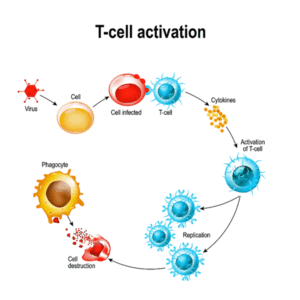
Painter found long term activation of T-cells by the coronavirus and Epstein-Barr virus in about 40% of long COVID patients.
Significantly, this study also found that an inflammatory milieu (called “bystander activation”) did not turn the T-cells on. Because they assessed the T-cells repeatedly over time, they showed that the activation was constant.
If past studies suggested long-term T-cell activation was happening, Painter’s study proved it is.
Painter also found, not surprisingly, that these chronically activated cells were getting tired. They were no longer able to pump out normal levels of cytokines, they had trouble proliferating, and they were prone to dying. In short, they appeared to be exhausted.
The fact that the coronavirus and EBV activation tended to occur in the same patients suggested that some individuals harbor a susceptibility to multiple infections/reactivations.
Mysteries remain

What triggered the activation – a replicating virus, or pieces of a virus, or proteins produced by a virus is unclear.
These pathogen-activated T-cells are not present in all long COVID patients. This study found them in about 40% of long COVID patients, The findings were quite strong. The long COVID group was 3.6 times more likely to have these cells, with a highly significant p-value (p = 0.000016). Their presence in about 16% of the recovered COVID-19 patients, suggests, though, that T-cell activation plus another X factor may be needed to produce long COVID.
We don’t know what turned on these powerful immune cells. We know inflammation isn’t the cause, but it remains unclear whether replicating viruses, viral fragments, or viral proteins are responsible. Because each requires a different treatment approach, determining which one is responsible will be important.
This is surely the next step researchers will take, or probably already are taking. Hopefully, we’ll get bigger studies and answers sooner rather than later now that the pathogen activation question has been resolved.
Because Painter did not look for T-cells attacking the body, an autoimmune process also remains possible. In a process called molecular mimicry, an immune response to a viral antigen can attack the body at the same time. A recent long COVID paper found that people with long COVID a) carried a variety of autoantibodies able to attack central nervous system tissues, and b) transferring IgG antibodies from individuals with LC into mice produced fatigue, balance/coordination problems, pain sensitivity, and small fiber nerve damage (!).
Long-lived activated T-cells, in fact, increase the risk that the immune system will make a mistake and start attacking the body.
In any case, researchers now have a strong foundation to move forward to answer these questions.
Template for ME/CFS?
The study also potentially provides a nice template for ME/CFS. Most ME/CFS studies have used antibody levels to a virus to see if a virus is involved. While antibodies can show if an immune response has been mounted at some point they’re not as effective at telling if an active immune response is currently present.
Painter’s ability to isolate virus-specific T-cells and then assess activation markers (CD38, HLA-DR, CD39, and Ki-67) allowed him to determine that they’re currently active. Plus, he had those gene expression results which indicated the same.
Painter’s provided a template for resolving one of the great questions in ME/CFS – is a persistent virus at play?
ME/CFS researchers could presumably use these techniques to determine if EBV, for instance, is currently tweaking the T-cells. They may not have to, though, as a complementary and ultimately more promising approach is under way.
A Complementary ME/CFS Approach Is Underway

Because the Selin-Kumar-Kohlburger ME/CFS effort has a wider scope it may prove more fruitful – if it can get funded.
Lissa Selin, Rosh Kumar, and Ayano Kohlburger have been pursuing a complementary approach to the T-cells in ME/CFS. Their sample sizes are much smaller (this is ME/CFS after all (lol)), but their approach is broader and better matched to ME/CFS.
They started from a different place but reached the same conclusion: antigen-driven T-cells are activated in ME/CFS. Instead of looking for specific pathogen-activated T-cells, this group first found abnormal T-cells (damaged CD8 and CD4/CD8 double-positive cells), determined that they were pumping out specific clones, and is now looking for the trigger or antigen they believe turned them on.
Painters’ extensive testing of coronavirus- and EBV-activated cytotoxic T-cells has allowed him to definitively determine they are in play. The Selin-Kumar-Kohlburger group hasn’t been able to do that in ME/CFS, but their approach gives them an edge in another way. Painter looked for coronavirus/EBV specific T-cells, but the ME/CFS group is looking at every possible antigen. They have the potential to a) pick up more pathogens, and b) determine if an autoimmune process is present.
They’re confident that, given the resources (they’re seeking funding), they can identify what is tweaking the abnormal T-cells in ME/CFS. If they found that EBV antigens (antigens trigger an immune response) were activating T-cells in a subset of ME/CFS patients, we would have a nice overlap with long COVID.
Smoldering Herpesviruses?
The ME/CFS field has another trick up its sleeve. For over a decade, Marshall Williams and Maria Ariza at Ohio State University have received a rather remarkable string of large NIH grants to explore the role a smoldering herpesvirus may play in ME/CFS and other diseases. Their string of ME/CFS wins is unprecedented at the NIH.
They’re illustrating that a hybrid approach may be at play. EBV and other herpesviruses are trying in ME/CFS to replicate but are only getting halfway. A strong immune system should keep them bottled up, but in a significant subset of ME/CFS patients, it’s failing to do so. EBV starts to replicate but fails to complete it. As this happens, EBV-infected cells produce proteins such as dUTPase that tweak the immune system.
Mouse and other studies show that herpesvirus dUTPases can affect the blood-brain barrier, pain, neurotransmitter activity, sickness behavior, and anxiety, and can also affect T-cell regulation.
Their smoldering herpesvirus findings could help explain another knotty question that has dogged the ME/CFS field: “If EBV is driving or contributing to the symptoms in ME/CFS, how is it doing so without replicating?”
In their most recent paper, they associated antibodies to EBV and HHV-6 dUTPase with increased pain and fatigue in ME/CFS.
Ruiz-Pablo’s Answer to ME/CFS and Long COVID
“I believe we are getting closer to developing a stronger scientific basis for antiviral treatment in selected patients with these diseases” Ruiz-Pablo
In 2021, “Epstein-Barr Virus and the Origin of Myalgic Encephalomyelitis or Chronic Fatigue Syndrome” Manual Ruiz-Pablo and his collaborators proposed that EBV activation is driving ME/CFS in a subset of patients. They believed that an immune hole in genetically susceptible individuals made it difficult for their immune systems to detect EBV in its latent state. That ultimately led to chronic immune activation and, eventually, immune exhaustion. They received a 2019 Solve ME Ramsay Award to investigate this hypothesis.

Ruiz-Pablo proposes that post-infectious diseases share an inability to totally clear a pathogen. This can result in autoimmunity and chronic immune dysfunction.
Ruiz-Pablo heralded the Painter paper because it validated the idea that a persistent virus – either whole or pieces of it – are present in long COVID. He was particularly taken by the fact that the long COVID patients tended to have prolonged T-cell activation to both the coronavirus and the Epstein-Barr virus.
He proposed that the initial coronavirus infection dysregulated the immune system and allowed EBV to flourish by impairing the ability of the immune system to detect EBV-infected cells.
He then attempted to address perhaps the greatest question of all. Referencing the 2006 Dubbo study findings, he asked how it is that dramatically different pathogens can produce the same ME/CFS state?
He came up with a surprisingly straightforward answer: “antigen” persistence. (Again – an antigen is a part of a virus, bacteria, toxin, or autoimmune target that tweaks the immune system.)
Post-infectious diseases begin with an infection that isn’t fully resolved. Something, whether it’s the replicating pathogen itself, pieces of it, or proteins it produces in its latent state, gets left behind. That foreign object keeps the immune system persistently activated.
Over time, that activation leads to immune exhaustion, which can allow pathogens like EBV to reactivate and may ultimately result in autoimmunity.
The key, though, is a chronically activated immune system which becomes more dysregulated and exhausted over time.
Targeted Treatments – The Antiviral Plus Proposal
For Ruiz-Pablo, the most intriguing aspect of Painter’s study is the opportunity he believes it presents for targeted treatments. We’re not there yet: we don’t know whether persistent virus activation, viral fragments, or an autoimmune process is driving T-cell activation, but once we do, the treatment pathways become clear.
Until we know that, treating the immune abnormalities may not help much if a pathogen is still present.
Ruiz-Pablo does not believe, though, that antiviral strategies are necessarily the be-all and end-all. If immune abnormalities have developed over time, they should be addressed at the same time.
EBV Research Heating Up
Epstein-Barr virus research is heating up. 🙂
Leonard Jason just reported that his team was awarded an NIH grant, “SARS-CoV-2 and EBV-orchestrated activation of the kynurenine pathway,” that will explore how the coronavirus and EBV activate the kynurenine pathway to produce long COVID and/or ME/CFS in a significant subset of patients.
Nancy Klimas has also received funding to explore EBV’s effects in these diseases.



I think Nath and his team in the NIH study suggested antigen persistence could be the driving causative factor.
Yet…. Painter’s study found this abnormality in 40% of patients and 19% of controls. To me, that suggests some sort of associative factor rather than a factor actually driving the illness.
There must be something happening in the long COVID bunch that heightening the effect the pathogen activated T-cells are having. Ruiz-Pablo would agree I think as he suggests that some people have both: pathogen activated T-cells and an immune dysfunction that has occurred – perhaps because of them.
Possibly.
But only 40%?
I don’t think long covid is as heterogeneous as me/cfs, as it is effectively defined as being triggered by the covid virus
That’s why I think that finding might be associative, rather than causative
In terms of EBV – let’s see if Polybio’s trial of Truvada yields any positive results.
I didn’t this was happening: https://polybio.org/projects/a-clinical-trial-of-repurposed-hiv-antivirals-in-longcovid/
” Truvada has been shown to have action against SARS-CoV-2 in a lab setting, and is also a potent inhibitor of Epstein Barr Virus replication in cell culture. Marovirac is a chemokine receptor antagonist drug designed to act against HIV by interfering with the interaction between the virus and the human receptor CCR5.”
Look at all these “extra” tests they’re doing to learn more about what’s going on:
Measurement of hormones levels.
Gotta love PolyBio…
Oh yes they are great, because they are focussed and actually get things done with purpose .
Hopefully their study will cast much greater light on whether reactivated EBV really is a significant factor, or not
Any chance of a PolyBio interview?
I would be especially interested in knowing when they are expecting results from the Truvada trial. I emailed David Putrino but didn’t get a response. I have emailed Akiko Iwasaki, she is on leave until early November.
Again, lots of areas of potential but no practical applications; a researcher’s dream, but a patient’s exercise in frustration.
ME/CFS is a syndrome, not a singular disorder. So, in the “blind men and the elephant” saga, this is akin to blind men (researchers) examining a HERD of elephants (variations of the syndrome of ME/CFS). It should keep them busy for decades — with the extra research money from Long COVID — but what about the patients?
Common final pathway, “downstream” approaches like Mitodicure still seem the best bet.
Yes, I share some of your cynicism. Working in the academic world myself. Unfortunately the academic world is often full of perverse incentives. There’s plenty of factors – financial targets, egos etc – that often result in research that lacks purpose and meaning, in terms of real world, tangible outcomes.
I don’t understand why you’re displeased by these findings, actually. The next step is determining what is keeping these T-cells active for so long. Once they figure that out that should open the door to targeted treatments for specific subsets. Isn’t that what you want in a syndrome?
Hi Cort,
Oh, I am not displeased with the findings, or even the research per say, but
the nature of their entire research program: it is lengthy and complex, it does not clearly try to integrate their research with other related findings in the ME/CFS research domain (the “herd of elephants” analogy), and any prospect of practical applications are decades away.
Best,
Harold
It is very complex and lengthy. It took five years or so to get to this point, but I hope not decades! ME/CFS is the question: will we get the resources to identify that antigens turning on the T-cells? I think Long COVID will get the resources. Hopefully, the work to identify the antigens is underway. Let’s say 3 years (ouch!) but at the end will we have a set of drugs that could be helpful? I hope so! ME/CFS is the big question.
Hi Harold, I continue to strongly feel that ME/CFS is not a syndrome, because the cardinal symptom of PEM is so distinct and unites all cases. I see it rather as an “umbrella disorder”, equalling a complex dysregulation in the body, where there could be different drivers and “side-fires” contributing to it in different patients, but the illness-defining PEM mechanism would be the same.
(Though I would not exclude that PEM itself has more than one layer, just from personal observation: e.g. there are crashes affecting my muscular exertion limits, and other, more dangerous crashes that feel like a “switch is flipped” with a sinking feeling deep in the body.)
It also has always struck me that all known triggers (e.g., viruses, vaccinations, operations, and in some cases stress as (co-?)factor) have in common that they are immune events – including stress because of the close connection between stress- and immune systems). Incidentally, these triggers look quite similar to the known triggers of many autoimmune diseases.
So I’d say ME/CFS is an umbrella disorder with sub-groups, that may be defined by different drivers depending on the individual dysregulation profile, but united by the same PEM mechanism.
Similar to, with other diseases, you’ve got for example Anti-HMGCR-Myopathy as uniting pathomechanism, and it can be caused by statins (forming one subgroup), but also not be caused by statins.
I view the variety of ME/CFS research rather as uncovering pieces of a complex dysregulation puzzle; and expect that the “final” ME/CFS pathomechanism will possibly be tiered, accomodating more than one individual dysregulation driver under the uniting PEM umbrella.
I too would really like Mitodicure to succeed as the underlying theory sooo closely matches my everyday muscle problems. I have a lot of trust in Wirth to know what he’s doing based on his professional biography, but I think that developing a new medication from scratch takes about 10 yrs, and I currently don’t have transparency whether Mitodicure is progressing smoothly at the current preclinical stage, or to what extent that stage might also depend on funding.
The way I see it is that some researchers are trying to tackle the matter from upstream, and other researchers like Wirth from downstream. In my view this enhances the chances that some relief-giving medication will be found – whoever gets there first :-), if you know my meaning. In that sense, I feel that upstream- or “contributing drivers”-related research has its place, too; like Scheibenbogen’s team having reached the point where they can predict based on a blood marker (antibody) which subgroup will respond to IVIG treatment, so whenever that gets approved on a larger scale, I could get some relief from that treatment if I’ve got the marker antibody. So while I first felt a bit sceptical why Scheibenbogen et al have been focussing on the specific topic of autoimmunity, I can now see how that may bring up treatment opportunities. She also focuses on repurposing medications because relief from that corner can be much faster to approve.
And I feel a bit bolstered that, although so many ME/CFS & LC researchers focus on different special aspects, there are regular conferences where they exchange their knowledge, and stuff like the non-public annual Stanford meetings where they can freely share even unpublished results. I actually feel that the cooperative nature of the ME/CFS research community might be something special, as I imagine that there might be a lot more “elbows” and career-driven rivalries involved in other academic fields..So I’m a bit glad that at least the ME/CFS field seems to be quite cooperative,
Best wishes!
This *might* be compatible with dr. Naviaux’s ‘Dauer’ hypothesis. In that hypothesis, the body and its cells do hybernate, try to outlast the danger.
Reduced ATP production is a rather common theme in ME/CFS and Long-Covid. In ME/CFS there seems to be rather few clear / large scale tissue damage despite harsh disease symptoms. That points to cells not being eliminated at large scale. That’s quite something given common challenges as poor blood flow (which is the number one cause of limb loss in diabetes), oxygenation, ATP shortage (that acts as a cell clearance signal itself when too severe), low blood volumes…
In Long Covid the damage / tissue scar degree might be more diverse among patients.
Now let’s get back to ME/CFS. Inhibition *in my understanding* not only holds poor ATP production but also things like reduced resource availability (like reduced blood flow and protein content as seen in ME/CFS) needed for rapid viral replication, reduced enzyme productions for RNA translation and increased ROS for damaging viral parts and new copies inside cells.
That offers the potential of a double whammy producing a long tail for viral clearance in ‘Dauer mode’:
A) ‘Dauer cells’ made more resistent to clearing by apoptosis and other cell-death mechanisms (as part of the sit-out-rather-then-die thing in Dauer)
B) Infected cells taking longer time to be filled with new viral copies due to ‘Dauer’ seriously slowing down the reproduction process and ROS reducing its viability, making viral load in cells much less early on and still less later on compared to ‘non-Dauer’ infected cells.
Due to B), the infected cell ‘attracts’ fewer antibodies and immune cells to try and clear it.
=> initial phase: slower release of viral RNA / DNA (dependant on type of virus) in blood, but lasting lower. In graph: lower peak but much longer tail.
=> next phase: virus-specific T-Cells are activated long time, as the release of the virus has a long tail. T-Cells start to get exhausted
=> continuous phase: exhausted T-cells are now poor at punching holes in these resilient ‘Dauer’ types of cells, making the remaining infected cells lasting even longer, leading to an even longer tail of viral release. Vicious circle complete.
In this hypothesis, there is a surprising punchline. Trying to improve symptoms by high dosing anti-oxidants might fire back in *some* cases, as it would risk to counter the alternative way to get rid of the remaining virus inside the infected cells (tank the virus’ viability by bombarding it with mitochondrial ROS). That would be the last line of defense if the T-Cells (and rest of the immune system) are too exhausted to do the job.
Given that Sars-CoV-2 already has demonstrated rahter long persistance in ‘average’ non-human primates https://www.nature.com/articles/s41590-023-01661-4, it *might* show similar persistence in ‘Dauer-prone’ humans.
Excellent article! Thank you, Cort! I hope you’re turning a corner and regaining more energy. This article brings back memories of the high hopes I had for BC007. I still think there’s merit there.
Mast cell treatments do appear to be helping. Time will tell how much but I have had some relief, thanks 🙂
What do you think triggered your recent issues?
Cort,
What are you doing to mast cell treatment? Regards, Chris
Short-term clonazepam – 3 nights – cetirizine during the day, hydroxyzine at night – cromolyn coming up. 🙂
This guide helped me, and my Dr. it’s for Long Covid but may be able to get some ideas.
https://www.rthm.com/resources/blogs/long-covid-treatment-guide
Glad you are seeing improvement.
You’ll never guess when I originally came across it. 😉
Thanks for sharing.
As I mentioned in the Precision Life post, the IL-23/IL-17 inflammatory pathway is linked to herpesvirus infections, including HSV-1, HSV-2, Epstein–Barr virus (EBV), and potentially other members of the herpesvirus family.
However, the relationship is complex: herpesviruses can influence the IL-23/IL-17 pathway, and this pathway can influence the immune response to herpesviruses. The effects vary depending on the virus, tissue, and stage of infection.
Our son has SULF2 and SLC6A11 varinats that were identified in original Precision medicine study . SULF2 was 1 of the 6 variant that was earlier identified in a large NHS study that looked at genes that have issues with virus suppression.
Our son had borderline/low iron markers and when we gave iron supplement he would get rashes. he also got different type of rashes when ibuprofen was given 2 times. He was given 1 month course of aciclovir antiviral 7-8 years back but we did not see any benefits.
Sometime after covid his haemoglobin dropped to 95. Haematology Prof wanted to give iron infusion but virologist Bhupesh Prusty had earlier mentioned the risk of DRESS so he refused. Finally immunologist agreed to give long term low dose aciclovir antiviral. His severe iron deficiency anemia resolved with aciclovir and we did not get any rashes when iron was given with aciclovir.
This was suggested by Bhupesh. Bhupesh’s interpretation was that regular virus suppression mechanism is not working due to SULF2 variant and alternate immune pathways like iron sequestration and COX2 pathways are upregulated to compensate (COX2 plays a central role in post infectious inflammation resolution).
They are able to suppress the virus so nothing shows up in testing. But the alternate innate pathways are producing too much inflammation and causing his various conditions. Bhupesh recommended aciclovir to suppress the virus and this calmed down the alternate innate immune pathways. We know this because severe iron deficiency anemia resolved with same iron supplements he was taking before.
However we did not see any benefits with me/cfs or autism. Later we were offered free amatica protein study and this showed severely low bh4/bh2 and related readings. We followed Dr Myhill’s high dose ascorbic acid recommendation to reduce oxidative stress with very good results. he already responded very well to tryptophan pathway interventions. Now BH4 and NO interventions are also working very well.
As Prof Ron Davis says the infection was finally suppressed with aciclovir but oxidative stress was sustaining the low BH4 levels and this was the cause of me/cfs and why we did not see benefits when virus was suppressed. Most of the core autism symptoms are also gone.
I wonder if in other patients iron levels should be tested before and after antiviral courses to see if antivirals are working. It is likely that others also have oxidative stress causing low bh4 and they do not see immediate benefits of antiviral. And iron levels will be an internal test of recovery of iron sequestration system with viral persistance resolution. Hepcidin should also be tested before and after.
What an amazing story! Thanks for posting it, and congratulations! I love the innate immune/viral connection – that’s essentially what others have proposed: the adaptive immune system is not getting rid of the virus and the compensatory innate immune response is causing its own problems.
Continued good luck with your son – he’s lucky to have such dedicated parents.
We have severe gut motility issues and low dose prucalopride, azithromycin and mestinon were not sufficient this year to control severe gut pain that starts in the pollen season. Gastro started him on regular movicol and sodium picosulfate. With movicol we would see some benefits but he still had anxiety and OCD. When we clear the gut with vitamin c using Dr Myhill’s protocol the anxiety and OCD are completely gone as well. Even at a lower dose of vitamin c that does not clear out the gut the anxiety and OCD are gone. Before this he had done well with l reuteri yogurt. AI and our gastro think that vitamin c is working as an osmotic laxative and also acts on oxidative stress in the lower gut and recycles bh4. The oxidative stress in the gut was driving pain and motiity issues due to low serotonin etc. Low BH4 due to genetic causes has been studied in hph-1 mouse model. In young children this causes severe localised bh4 depeletion in lower gut. It looks like that low bh4 due to oxidative stress in me/cfs patients also causes problems in me/cfs patients. Several very severe me/cfs patients mention the problems in lower gut and colon.
I too had severe gut pain and at times also a profound sense of psychological stress for want of a better description. I resolved the gut issues by eliminating all sugar including most fruit; eating only green vegetable-heavy cooked food made from scratch; small doses of homemade Kombucha daily for three month and the one thing I’d start with if I was recommending just one thing that really helps gut pain…and indeed I still use if I get a flare up…food grade Diatomaceous Earth. This powder is very easy to take, tastes a little chalky. Game changer.
Thanks. I wil look into it.
We also can not tolerate most carb only meals. We figuered out that the issue is with naked carb meals- meals with carbs only and without fat and protein. We have reflux with almost all naked carb meal and in pollen season they can cause failure to thrive. But when we give naked carbs buffered by mixed meals before and after he is able to tolerate it. this is a well known startegy in metabolic patients.
We further figuered out that the underlying cause in our case is that glycogen stores in liver are not sufficient to breakdown carbs-This is also suspected in some metabolic patients. After giving carbs that triggered reflux our gastro took some blood. Weide ranging inflammatory pathways we measured were not affected. Only AST and ALT doubled from normal levels- so mildly raised. Gastro said that this indicates metabolic pathways. We already had other issues that indicated glycogen storage type issues. Apparently in case of low glycogen to break down naked carbs liver is affected and that is why AST and ALT are doubled.
I have long believed that my digestive and metabolic pathways have been hugely disrupted by this illness, resulting in malabsorption of numerous important nutritional elements. I have had none of the awful allergy symptoms thankfully. It must be so very distressing for your child. How lucky he is to have devoted smart parents caring for him as you do.
You are no doubt aware that Autism is strongly linked to ME/CFS. I have several autistic family members, though I am not autistic myself. My whole Genome Sequencing showed I have genetics variants for autism. One wonders if there will eventually be an ME/CFS subgroup identified in future which has autism as a key co-comorbidity.
Thanks. In our case all core autism symptoms resolve with energy improvement (after successful intervention to treat infection or allergy or successful intervention for energy like oxaloacetate) until the next hit reduces the energy levels or drugs effectiveness decreases.
In the UK Psychiatrist give asd diagnosis to patients who are neurotypical till puberty but show asd symptoms after me/cfs onset. So this is well studied. Some 30% of me/cfs patients would develop asd symptoms that fluctuate with energy levels. Also some 1 in 7 asd kids are thought to have me/cfs — this is probably much higher.
How interesting. Though I do not have autism, I have strong ADHD symptoms with ME/CFS, and the question is still out re. to what part they are due to a possible pre-existing ADHD, to what part ME/CFS causes ADHD symptoms in my case, or to what extent lack of energy severely enhances ADHD symptoms (e.g., the less energy, the more decision fatigue for small unimportant decisions which is one of my executive function problems). Hyperfocus/restlessness and ME/CFS are *not* a beneficial combination in my case. It could also be that ME/CFS takes away the extra energy needed to compensate for/mask ADHD symptoms, making them more pronounced.
All the factors you mention might play a role.
In our case executive function resources are depleted due to 3 reasons.
First is due to increased demand on executive function to manage autonomic dysfunction in the body. This has been studied by Psychiatrist Prof Santosh Paramala at Maudsley in Rett’s patients. This effect is strongest in Rett’s patients and Prof Santosh thinks that this is a common factor with ASD. Prof Santosh calls this EBAD (Emotional, behavioral and autonomic dysregulation). In very simple terms executive resources are depleted in trying to manage dysautonomia and this affects executive function availability for other tasks. Very low dose propranolol works for these symptoms. It is important to slowly increase the dose until you find the right dose. The dose will have to be adjusted over 2-4 weeks several times as hyperactive receptors normalise slowly. Neurologist Prof Beversdorf in Missouri has also studied this mechanism in autism for 25 years. 5ht1a is thought to be affected and this also makes it tough to make complex sentences in me/cfs and other patients. Buspirone also works on these symptoms.
The second reason executive function is depleted is due to low BH4. This affects tryptophan, dopamine and Nitric Oxide in some circuits. This affects dopamine and norepinephrine levels in some circuits. There is no global deficits of dopamine or norepinephrine but some neurocircuits that are affected in sickness syndrome are affected due to oxidative stress and BH4. Vitamin C and other antioxidants are supposed to work. This affects eNOS and this is also seen in some diabetes where it is well studied. very low dose abilify works on dopamine in this circuit.
Third reason is low acetyl-coa/ATP in our case. We see benefits when we give oxaloacetate and DeltaG ketones.
Attention symptoms also improve with nicotine patch in our case.
Our daughter had very good results with iron, for a while. Then the significant benefits dropped away.
Disappointing of course, but interesting in terms of what might be going on in the illness
Very interesting, and happy for your son! For the interest of knowledge, may I ask what dose “low dose” antiviral treatment employed, and how this differed from the one-month course of aciclovir given before? Thank you very much!
Virologist Bhupes Prusty had recommended low dose Valcyclovir but our Immunologist only agreed to use 800mg a day aciclovir. We had used aciclovir earlier also for a month but discontinued it because we did not see any behavioral or cognitive benefits. We did not see any behavioral or cognitive benefits this time also but it was clear that symptoms of severe iron deficiency anemia started resolving within days. These included itching on the feet, chewing rubber etc. Skin tone changed very quickly. We did not change the iron supplement so that was not the cause. We were using spatone iron rich water only and severe iron deficiency anemia resolved with just these supplements and he also managed to build up good iron stores for the first time. The reason we did not see any benefits of virus suppression with antiviral is that me/cfs was being sustained by oxidative stress at Prof Ron Davis says.. oxidative stress in some cases can cause low bh4/bh2 ratio and this affects various neurotransmitters.. we did see significant benefits with high dose vitamin c that recycles bh2 to bh4, beetroot extract that increases NO and l reuteri yogurt that increases bh4/folate levels..
Thank you for both your replies, Rahul! Your son is very lucky to have a father being able to so deeply navigate research for him to beneficial effect. I wish I was healthier so I could make more of these interesting comment sections.
LD Abilify is on my list, too, and seems worth a try giving the presence of ADHD symptoms simply because of common denominator dopamine.
As for your report on the aciclovir & iron, I would tend to say I would not fall into this category, because though tending to have low iron, I can fill it up via supplements without rashes, and I do not tolerate VitC too well (feels more like fueling the fire).
However, I am convinced that my illness, involving possibly inflammation or circulation issues, does cause neuropsychological symptoms for me, as I’ve observed an anxiety-reducing effect from a Resveratrol-OPC-product (different type of antioxidants). I’ve also found L-Theanine, magnesium threonate, and nicotine patches to be effective to some extent (nicotine patches however only safely while being inactive).
My go-to crash treatment is once or twice 25 -30mg Trimipramine to regulate down nervous system (but only when in a state of nervous hyper-arousal) plus nicotine patches.
Antivirals are on my list too, so thank you for educating me about them.
I have forwarded this thread to whom it may concern at German Autism Society – dissemination of information is always a good thing 🙂
Most people have EBV latent, so why are some of us vulnurable to reactivation? Could it be that what what’s triggering the t-cells is a type four allergy, like nickel?
My own experience with this is that I got my immune system to work better. For six months I had reactivations and my immune system fought it off for the first time since I got ME.
Then my skin (also a part of the immune system) “woke up”, and revealed an extreme sensitivity to nickel. There’s nickel in stainless steel, but also in foods, and higher levels than before because there’s higher levels in food and soil. Because it’s a type four allergy the “army” of nickel specific t-cells will grow over time.
Since making the connection I’ve avoided nickel to a very large degree. After 9 months my brainfog got better, and my capacity began to increase. It’s not black and white, and the process has taken a toll on my body, but overall I’m better than I was before, and react less to nickel.
Interesting: “Then my skin (also a part of the immune system) “woke up””!
I have several supplements that improve my energy levels even at modest dose but every time I increase dose a bit, skin burning increases and my immune system starts to litteraly eat entire patches of skin away. I thought this was a body wide increase in inflammation.
I already strongly suspected that allergies are suppressed by lack of ATP. Less ATP means the adaptive immune system can react less strong. The addaptive immune system reacts quite similar to allergens as to real pathogens; in many ways an allergy is the immune system mistaking a mostly harmless thing for a pathogen and reacting against it as if it were a pathogen.
That the difference in allergic strength was this strong with even modest increase in blood flow or energy increase surprises me. But looking back, my joint pain and stiffness didn’t flare I think. My joint pain is rather sensitive to inflammation. So it looks like more and worse skin allergies then I thought.
That gives me an extra option to try out. I hope my many digestive and airway allergies and intollerances don’t act up quickly. Anyway, if it were indeed (skin) allergies that cause these strong flares in immune overactivation, then I can easily see that in my personal case my body must tune down energy protection in order for my immune system to not go completely out of control. Inhibition or Dauer to contain bad and plentyfull allergies may be a big thing for me, more then I already assumed.
Thanks Hanna!
Alloe Vera gel calms my skin allergies, at least against pollen. Alloe Vera juice does the opposite to my gut, even in small amounts.
It appears that researchers investigating the cause of long COVID are following the same path as those who studied ME 30 years ago. That said, it seems important to me to distinguish between those who have been vaccinated against COVID and those who have not in this type of research.
Hi Cort, I wish you would publish an article on the use of peptides in ME/CFS and Long Covid. They have been helpful for me, but are enormously expensive. I am aware of the actor in Australia who just had a heart attack attributed to peptides. As usual, the media didn’t do their homework. He was a 75 year old action actor who used a lot of body building supplements and he took a double dose of the peptide by accident when he broke one vial. I read the autopsy report which is on-line. Has anyone on this site taken peptides?
I am very skeptical of them.
I see their value for obesity, which is what they were designed for
Hi Matthias, I was really asking for experiences, not opinions (which of course you are entitled to.) There are many peptides and most are not used for weight control. I am using BCP157 which was like a miracle when I fell on concrete and woke up one morning unable to walk on that leg. The BCP157 at a stronger dose than I take now alleviated the pain in a few days. I too would have been skeptical if it hadn’t happened to me. The other peptide, thymosin is good for immune problems and GI difficulties. I only take it twice a week and the BCP 157 in a very small dose for 5 days each week. It helps with sleeping and the walking difficulties I have had after the second bout of Covid. You only take these for two months, then skip two months. There are many other peptides out there, but you must have a knowledgeable doctor who works with a trusted compounding pharmacy.
I will look into it. It’s a big subject!
Given that evidence so consistently points to chronic low grade inflammation being key to ME/CFS, I am just starting a new regime:
– high polyphenol extra virgin olive oil
– high bioavailability curcumin (Theracurmin)
– less inflammatory diet
– more regular walking ( I can cope ok with brisk walking for 20-30 minutes per day)
My blood pressure readings have come in a bit high and that is another reason I am doing the things above
I have found high quality curcumin to help with PEM in the past
The endothelial angle is what I keep coming back to with these T-cell findings. Vascular repair and immune persistence may be two sides of the same coin, and the peptide literature summaries at https://pepsreview.com/research/bpc-157 cover some of that ground. Any plans to look at tissue biopsies rather than blood?
I thought Lisa Selin had funding from Solve ME/CFS?
Yes, she did.
She and her collaborator Anna Gil, PhD were awarded a Ramsay grant for their project”Altered T cells in Myalgic Encephalomyelitis/Chronic Fatigue Syndrome (ME/CFS)” at the University of Massachusetts Medical School.
According to Solve ME/CFS, the pilot work supported by that grant led to important findings regarding abnormal T-cell populations in ME/CFS patients and helped the team secure a subsequent $2.5 million NIH R01 grant in 2021 to continue the research
Some pretty good research news! Paul Hwang et al find WASF3 implicated in cognition in ME/CFS!
https://www.pnas.org/doi/10.1073/pnas.2617198123?utm_source=substack&utm_medium=email
And so it grows! Thanks!
I would love to know if someone had positive results from the use of Ultraviolet Blood Irradiation treatment, the go to pathology treatment in the 1920s to early 1950s before antibiotics became available? As I understand it, the “only 5% of patients total blood” sample treatment causes cell necrosis to expose intracellular pathogens to lymphocytes that then kill and identify the pathogens to enable them to discover 100% of the pathogens residing in the remainder of the body.