




Geoff’s Narrations
The GIST
When Health Rising is off the air for a while, I feel compelled to explain why. Sometimes when it rains, it pours, and it’s been pouring lately.
It started off with a catastrophic engine failure of the van (it needs a new engine), a 2 1/2 hour trip and back to get as cheap a rental car as possible. Then a fire far to the south produced such heavy, heavy smoke, that we (me and the dogs) were compelled to flee (leaving the trailer behind). The next day, Anni, one or our dogs, got lost – resulting in some frantic searching. He ended up the next day a couple of hours away in Reno.
The Garnet fire shows no sign of abating, so for now, we’re camping out in a little SUV and going into the Mammoth area intermittently to check on the trailer.
The good news is my health improved considerably recently after using a continuous glucose monitor which had me abandon sweets and most carbs. I will blog on that later. In the meantime, I’ve been itching to get at the Lipkin group’s study, which I found fascinating, and now here it is This is a long and complex blog for a complex study that touches on more factors of ME/CFS than I can remember.
 When Health Rising is off the air for a while, I feel compelled to explain why. Sometimes when it rains, it pours, and it’s been pouring lately.
This study suggested many systems were at their breaking point.
In our recent talk, Ian Lipkin noted how excited he was. The ME/CFS field, he thought, is on the cusp of something, and this preprint, “Heightened innate immunity may trigger chronic inflammation, fatigue and post-exertional malaise in ME/CFS“, published in the Nature Journal “Metabolic Health and Disease”, helps explain why.
Looking at how complex this study was – assessments before and after an exercise stressor; two cohorts with over 100 participants; proteomic, metabolomic, immune analyses; plus an infectious stressor – one could have guessed that it came out of Lipkin’s NIH ME/CFS research center. (It was funded by the Hutchins Family Foundation (Chronic Fatigue Initiative) and an the NIH Center grant).
This large study, which I believe is a fundamentally important paper for this field (and for long COVID, if long-COVID researchers will embrace it), demonstrates again how important it is that ME/CFS do well at the National Institutes of Health. Few other organizations have the resources to produce such large, complex, and comprehensive studies. An advocacy effort is underway to secure more funding for these vitally important studies.

The GIST

This study suggests that one thing leads to another and another and another.
- My blog production has slowed considerably due to a catastrophic engine failure of my van, long drives to get a rental car, a fire that caused me and the dogs to flee the area, and finally, a lost dog who appeared the next day, safe and sound, about 2 hours away.
- I’ve been itching to get at this study which I feel is a fundamentally important one – not just because of what if found but because of how the findings hang together so well. What we really want are findings that tell a story and make sense with each other, and that’s what this study’s findings do.
- This study, out of the Lipkin group, used exercise and pathogen stressors to assess the immune system, the proteome and metabolome.
- So many cytokines were elevated at baseline that one analysis said this immune profile “screams baseline immune activation” with both the innate (early) and adaptive (later) immune pathways activated to the hilt. In other words, widespread inflammation appears to be present.
- Introducing pathogens to ME/CFS patients’ immune cells caused them to become hyperactive compared to healthy controls blood cells; i..e they were primed to react.
- Multiple findings indicated that the energy production systems in ME/CFS had gotten whacked – and in interesting ways. Several findings (citrate, phosphate) indicated that the muscles weren’t uploading the resources they needed to engage in exertion. Another finding (GDF15) suggested that the mitochondria in ME/CFS were under high stress.
- That pattern occurred again with the lipids / fatty acids which provide a crucial energy source for the mitochondria. The muscles were not pulling fats from the blood in order to provide energy. Plus, the boost in carnitine levels that usually occurs after exercise did not occur in ME/CFS.
- These findings suggest that people with ME/CFS may be stuck in a “carb-biased, oxidative-capacity–limited state; i.e., they demonstrate a metabolic inflexibility that prevents them from switching to the fuels they need to engage in things like exercise.
- The liver has been highlighted recently, and it was so in this study. High levels of glucuronic acid prior to exercise suggested high levels of metabolic stress were already present. Continued high levels after exercise suggest that the liver was under so much stress from toxins/free radicals that, instead of focusing on energy production, it prioritized detoxification and antioxidant production.
- This could indicate a different kind of “metabolic inflexibility“: the inability to switch from a focus on detoxification to energy production leaving the body locked into a “detox + defense” state.
- Toxicity reared its head again when the elevated ORN:CIT and ARG:CIT ratios before exercise suggested that nitrogen was being used in the urea cycle for detoxification purposes rather than being used to dilate the blood vessels or contribute to energy production.
- The urea cycle findings suggested that exercise had triggered arginine depletion, urea cycle stress, ammonia accumulation, and mitochondrial dysfunction in people with ME/CFS.
- Oxidative stress is always on the table with ME/CFS and, indeed, it’s possible that increased levels of oxidative stress found could help explain the kynurenine (see below), citrate, and fatty acid findings. This study was unusual in that it pinpointed a specific pathway involving copper that seemed under particular stress.
- A variety of signals indicated that a weakened extracellular matrix and microvascular blood vessels are not just prone to damage but that the repair mechanisms are not kicking in quickly, resulting in longer recovery times. Indeed one analysis suggested a scenario of “can’t recruit, can’t repair, breaks down instead” is occurring.
- Exercise turns on the complement system, potentially resulting in mast cell activation, connective tissue damage, fatigue, systemic inflammation, and cognitive impairment.
- The deeper we go into the molecular foundations of ME/CFS, the more we find and, importantly, the more things map together. If ME/CFS were a fake disease, the deeper that molecular investigations go, the more they should flounder and fall apart. Things should get messier, not clearer, as it became clear that ME/CFS wasn’t a real disorder. The opposite is happening. The deeper researchers dig, the more they find, and the clearer the connections become.
- A couple of major themes are present. Immune activation on a massive scale. Failures on multiple levels to provide the muscles with the necessary energy to exercise. Metabolic inflexibility that prevents the body from getting into “exercise mode”. A toxin and free radical-laden system that’s co-opting resources needed to deal with exertion. An extracellular matrix is under attack, but is unable to defend itself, and a variety of systems are so stressed that they fold when stressors show up.
- The really remarkable thing is that a coherent argument can be made that, like dominoes falling, virtually every one of the abnormalities cited above can be linked together.
- At the end of the paper, the authors proposed that innate immune activation in concert with high levels of oxidative and cellular stress was a good place to focus on.
- Regarding treatments: Innate immune system activation – metformin, the regulatory cytokine IL-37, and the mTOR inhibitor rapamycin. People with low baseline levels of 12,13 diHOME and high post-exercise levels of GDF15 – supplementation with 12,13-diHOME or treatment with GDF15 neutralizing antibody. Gut dysbiosis – prebiotics (inulin) and probiotics (F. prausnitzii). Metabolic disruption – Tryptophan metabolism – hydroxytryptophan or selective serotonin reuptake inhibitors. Low carnitine – supplement with carnitine. Inflammatory response in women – estrogen supplements.
Health Rising is not a 501 (c3) non-profit
Results
“Screaming Baseline Immune Activation”
Even “at rest”, it became clear that there was no rest for the immune cells in people with ME/CFS. With a remarkable range of cytokines (CXCL5, GM-CSF, IL-1β,IL-2, IL-6, IL-8, IL-23, IFN-γ, IL-13, IL-17, and TNF-α) elevated at baseline, their immune systems were churning away. One analysis stated this immune profile “screams baseline immune activation” with both the innate (early) and adaptive (later) immune pathways turned on to the hilt. In other words, a state of widespread inflammation appears to be present.
Hyperactive Immune State
In general, immune stimulation by a pathogen trigger resulted in higher levels of pro-inflammatory cytokines in ME/CFS, indicating their immune systems exist in a hyperactive state. After exercise, the PBMCs from females produced higher levels of many cytokines (GM-CSF, IFN-γ, IL-1β, IL-6, IL-10, and TNF-α in response to the HKCA (heat-killed preparation of Candida albicans) stressor than the males. This is presumably because women’s immune cells are more primed to act than men’s.
Energy Production Whacked
With many of the findings likely to impact or result from reduced energy production, energy production will play a significant role in this study. The increased plasma levels of GDF15 and increased levels of citrate in the ME/CFS patients after exercise seemed particularly telling.

The results post-exercise were often opposite to what was expected.
GDF15 is a general biomarker of cellular stress and metabolic strain that is particularly associated with mitochondrial stress. For its part, citrate plays a key role in the citric acid (Krebs cycle/TCA) cycle which provides the electrons the electron transport chain needs to produce ATP.
The reduced citrate levels in the healthy controls after exercise constituted a normal response. The increased demand for ATP during exercise required the cells to increase their uptake of citrate from the TCA cycle. Hence the drop in citrate levels in the healthy controls after exercise.
The citrate increase in ME/CFS after exercise is opposite to what should have happened and suggests that, instead of being used to produce energy, citrate was accumulating in their plasma. Metabolomic studies have found reduced citrate levels in ME/CFS patients at rest before, and needle biopsies by David Systrom found evidence of widespread citrate synthase deficiency.
The upshot is that in the ME/CFS patients, the TCA or citric (or Krebs – take your pick) cycle did not appear to be providing the fuel the electron transport chain needs to produce ATP. The predicted result – increased signs of mitochondrial stress – and high GDF15 levels in ME/CFS.
A decrease in phosphate levels in the healthy controls after exercise, but not in the patients, adds to this scenario. During exercise, phosphate should be pulled into the muscles from the plasma to refuel ATP, generate glycolysis, etc. While this happened in the healthy controls, it did not in ME/CFS patients. Once again, an important factor in energy production wasn’t being utilized.
The most likely explanation is mitochondrial issues, and indeed, this pattern is found in mitochondrial diseases, but can also be seen in metabolic inflexibility – a term we’re going to see frequently. (Metabolic inflexibility syndromes include type 2 diabetes and insulin resistance.) It is predicted to produce post-exertional fatigue or malaise.
All that was after exercise. The study also found evidence of mitochondrial dysfunction prior to exercise in subgroups of ME/CFS patients.
The Lipids Again
Always, it seems, there are the lipids. These fat cells provide vital sources of energy and form the protective membranes that surround the cells. Plus, when oxidative stress is high, the lipid breakdown that results produces high levels of reactive oxygen species (free radicals).
Persistently high triglycerides and diglycerides both before and after exercise brought up a now familiar theme: the body’s inability to get into “exercise mode”. Again we see a pattern – the muscles failing to even try, it seems, to get the resources they need to function. During exercise, the muscles should be pulling fats from the blood and using them to provide energy, but the high tri- and diglycerides levels after exercise in the ME/CFS patients indicated their muscles hadn’t done that.
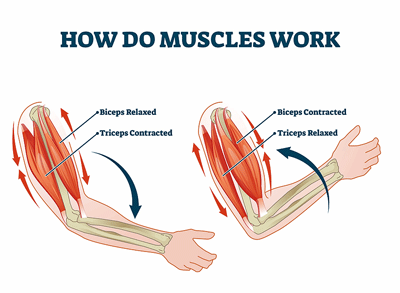
The muscles should be drawing resources from the blood during exercise. They weren’t in ME/CFS.
This could be due to defects in lipid (fat) metabolism, and, indeed, past studies have suggested people with ME/CFS are having trouble getting fatty acids called carnitines into their mitochondria. The inability to use fats for energy would cause the body to rely more on glucose metabolism, resulting in faster appearing fatigue and poor exercise tolerance.
Then came another strange abnormality. In healthy people, acyl-carnitines often rise after exercise, but they fall in the ME/CFS patients – suggesting that problems with fatty acid metabolism – a key component of ATP production – exist.
Lower levels of a lipokine (a lipid controlling hormone) called 12,13-diHOME, which stimulates fatty acid uptake by the muscles, apparently compounds the fatty acid problem by not signaling the muscles to use them.
Higher than normal linoleic acid and possibly high 12,13-diHOME levels after exercise suggest that the body is trying hard to increase fatty acid metabolism, but other findings (acyl-carnitine↓, citrate↑, GDF15↑, and weak phosphates) suggest the effort isn’t succeeding. Since the signal appears to be present, a fatty acid/mitochondrial production problem may be the key. Either the fatty acids are not getting into the mitochondria and/or the mitochondria are not utilizing them.
Altogether, this suggests that people with ME/CFS are stuck in a “carb-biased, oxidative-capacity–limited state; i.e., they demonstrate a metabolic inflexibility that prevents them from switching to the fuels they need to engage in things like exercise.
Again and again, we see the body failing to engage during exercise. We’ve seen this before in Dr. Hanson’s gene expression, lipid, metabolomic, and proteomic studies, all of which indicate that bodies of people with ME/CFS are unable, at the molecular level, to move into exercise mode.
A Metabolically Inflexible Liver?

Metabolic inflexibility – the inability to transition to the proper fuel source – may be present.
The liver has shown up more and more recently. Higher levels of glucuronic acid both before and after exercise in fasting patients could suggest an increased need for the liver to detoxify and clear toxins, hormones, or metabolites produced by oxidative stress.
High levels of glucuronic acid prior to exercise suggested high levels of metabolic stress were already present. Continued high levels after exercise suggest that the body was under so much stress from toxins/free radicals that, instead of focusing on energy production, it’s prioritizing detoxification and antioxidant production.
This could indicate a different kind of “metabolic inflexibility“: the inability to switch from a focus on detoxification to energy production, leaving the body locked into a “detox + defense” state and yet another compromised energy production system in ME/CFS.
The authors suggested that these findings, in combination with higher levels of bacteroidetes in the gut, could reflect dysbiosis (gut flora dysregulation).
Toxic Bodies = Urea Cycle Disruption?
The urea cycle is a core metabolic cycle that is responsible for detoxifying the nitrogen that results from amino acid breakdown. Since ME/CFS patients seem to preferentially use more amino acids than normal to power their cells, the urea cycle could be particularly important in this disease.
The elevated ORN:CIT and ARG:CIT ratios prior to exercise present another now familiar theme: nitrogen is being used for detoxification purposes rather than being used to dilate the blood vessels or contribute to energy production. The resulting endothelial dysfunction/ blood vessel stiffness/poor blood vessel dilation would fit with Wirth/Scheibenbogen’s hypothesis that blood vessels are constricted in ME/CFS.
The reduced ORN:CIT and ARG:CIT ratios after exercise suggest that exercise has caused the body to use nitrogen to support the blood vessels. While this could be a healthy response, it may also indicate that exercise has triggered arginine depletion, urea cycle stress, ammonia accumulation, and mitochondrial dysfunction. These kinds of problems appear to be especially relevant in fatigue-related conditions and diseases when exercise overwhelms the urea cycle. The authors suggest that a bottleneck in the urea cycle may exist at the argininosuccinate synthesis step. Problems with energy production could be a cause.
Chris Armstrong, of the Open Medicine Foundation’s Australian collaboration, is hot on the trail of ammonia in ME/CFS.
Stanford ME/CFS researchers have proposed that an L-ornithine L-aspartate supplement (LOLA) could help reduce ammonia levels in ME/CFS.
Always…Oxidative Stress
The disturbance in antioxidant pathways is not new, but the specificity – the copper-dependent antioxidant pathways – was striking. Higher levels of retina-specific copper amine oxidase (AOC2) and copper homeostasis protein cutC homolog (CUTC) after exercise in the ME/CFS patients indicate that a copper-linked redox response to exertion has occurred. A match to “general fatigue” indicates that redox stress is having a substantial impact.
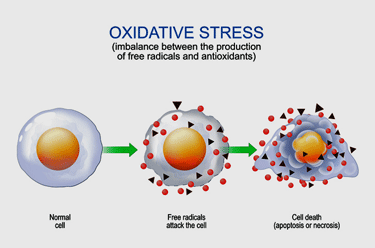
High levels of oxidative stress could be impacting many areas.
The AOC2 increase suggests exercise has increased levels of the free radical H202 (and ammonia). The CUTC upregulation reflects an attempt to mobilize copper to deal with an increase in reactive oxygen species (free radicals) triggered by the exercise. The increased levels of oxidative stress indicated could help explain the kynurenine, citrate, and fatty acid findings.
One doctor reported commonly seeing high copper levels in hair analyses of people with ME/CFS. Increased levels of ceruloplasmin – a copper transporter – have been found in fibromyalgia and have been associated with increased pain. Too much intracellular copper can damage the lipid membranes in our cells and damage the mitochondria. According to one website, estrogen, interestingly, may be able to elevate copper levels.
Neurotoxic Connection? The Tryptophan/Kynurenine Pathways
Lower KYN:TRP ratios before exercise and increased KYN:TRP ratios after exercise indicate that exercise in ME/CFS triggered a shift toward greater activation of the kynurenine pathway (ouch!). This has been proposed several times before.The kynurenine pathways produce inflammatory and neurotoxic factors.
Higher kynurenic acid (KYNA) to KYN KAT activity ratios before exercise and lower ratios after exercise reflect yet another pathway that’s failed to adapt properly to the stress of exercise. The diversion of kynurenine towards neurotoxic and neuroinflammatory pathways aligns with the metabolic inflexibility and high levels of mitochondrial/redox strain observed in other findings. The fact that elevated levels of 3-methoxyanthranilate correlated with general fatigue in ME/CFS suggests that activation of the kynurenine pathway is having real effects.
Indeed, the authors note that “energy depletion in the CNS … (is) compounded by dysregulation in tryptophan-dependent pathways for the synthesis of KYN and serotonin”; i.e., it’s energy depletion meets neurotransmitter problems.
A similar pattern occurs in a series of chronic illnesses (chronic kidney disease, multiple sclerosis, cancer), and has been linked to impaired exercise capacity, fatigue, neuroinflammation, and poor recovery.
Weakened Extracellular Matrix (Connective Tissues) and Blood Vessels
A variety of signals (integrin cell surface interactions, VEGF signaling, leukocyte adhesion and diapedesis, analytes in the extracellular matrix protein (ECM) degradation pathway, lower CD93 and cartilage oligomeric matrix protein (COMP) high34 high-temperature requirement serine protease A1 (HTRA1), lower tetranectin (CLEC3B) levels) have left a weakened extracellular matrix and microvascular blood vessels prone to damage. When stressed, both fold, leaking blood or gut contents. Reduced levels of L-selectin (SELL) and adhesion G-protein coupled receptor (GPCR) D1 (ADGRD1) suggest that repair processes are inadequate and are late to the game – prolonging post-exertional malaise. It’s yet another system that cannot stand the stress.
Can’t Recruit, Can’t Repair Either: Breaks Down Instead…
One analysis of the following findings (no change in plasma DAP levels after exercise, reduced leucate levels before and after exercise, baseline levels of citrulline (CIT) trended toward reduction, and reduced baseline levels of TFF1) characterized the result as “can’t recruit, can’t repair, breaks down instead”.
These findings suggest that weakened connective tissues, which just can’t “hang together” properly, weakened blood vessels, especially the smallest blood vessels (which may become leaky and unable to provide nutrients to the muscles), leaky gut, which past studies have shown accompanies intense exercise in ME/CFS, and, of course, reduced repair processes are present. Possible results after exercise – gut problems, tendon and muscle problems, blood pooling, reduced blood flows to the brain, all of which require longer than normal recovery times … (It just goes on and on.)
Stress Calcium Handling
A series of factors (S100 analytes, Class B/2 pathway markers, calcitonin receptor (CALCR), modifying protein 3 (RAMP3)) found before and/or after exercise suggest that exercise produces disturbed or stressed calcium handling in tissues, possibly affecting energy production, and producing inflammation and nervous system issues in the post-exertional period. Wirth/Scheibenbogen have proposed that calcium handling issues play a key role in energy production problems in ME/CFS.
A Mast Cell Match? Complement Activation
Increased levels of C1R and complement factor H-related protein 4 (CFHR4) in ME/CFS after exercise suggest exercise turns on the complement system, potentially resulting in mast cell activation, connective tissue damage, fatigue, systemic inflammation, and cognitive impairment. Interesting, one of the first ME/CFS exercise studies – by the CDC, no less – found the same kind of complement activation (C4) and proposed that the complement system might be responsible for the “inflammation-mediated postexertional malaise”.
A recent review overseen by Akiko Iwasaki proposed that complement activation plays a role in the coagulation, inflammation, and vascular injury in long COVID.
More Systems Under Stress

Multiple interconnected systems appear to be under stress in ME/CFS.
Higher pre-exercise levels of eukaryotic translation initiation factor 1 (EIF1) and ubiquitin-conjugating enzyme E2 D3 (UBE2D3) indicate that even at rest, the cells are turning proteins over faster than normal. (Remember the high metabolic stress at rest…)
That happens when oxidative/mitochondrial or ER stress and/or low-grade inflammation is present and aligns with other findings suggesting that an already strained network is primed to be overwhelmed by exertion.
Reduced levels of contactin 4 (CNTN4) and CNTN4 and EPHA4 prior to exercise suggest another system – the nervous system – is not ready for the stress exertion will impose on it. Increased levels of ELAVL2 suggest that a fragile nervous system tries to cope, but decreased levels of NRXN1 after exercise suggest that the exercise ends up impairing signaling in the central nervous system – potentially producing brain fog/fatigue.
Ditto with the reduced pre- and post-exercise tetranectin (CLEC3B) levels. Because tetranectin repairs damage to the extracellular matrix (i.e., the connective tissue, and connective tissue damage is synonymous with exercise), tetranectin, or CLEC3B levels, should rise with exercise. The fact that they didn’t suggests that repair mechanisms that should kick in after exercise didn’t result in a slower recovery period after exercise, which is what we see in ME/CFS. It’s yet another system that appears to be folding under the stress of exercise.
The Symptom Tests
Being able to show that these abnormalities are associated with symptoms is a major test. Several of them were. They included:
- f S100A8 and C1r – Elevated post-exercise levels in ME/CFS correlated with MFI scores of reduced activity/motivation
- 12,13-diHOME – baseline scores correlated with Multidimensional Fatigue Scores of physical fatigue
- GDF15 – post-exercise levels were positively correlated with MFI scores of general fatigue, physical fatigue, and reduced activity
- CNTN4 – reduced levels correlated with higher general fatigue scores
- Tetranectin (CLEC3B) – Reduced pre- and post-exercise levels correlated with higher MFI scores of physical fatigue and reduced activity/motivation.
The authors proposed prioritizing treatments that regulate the metabolism and reduce inflammation.
The Deeper We Go – the More We Find

The deeper researchers dig into ME/CFS, the clearer the connections become.
The deeper we go into the molecular foundations of ME/CFS, the more we find and, importantly, the more things map together. If ME/CFS were a fake disease, the deeper that molecular investigations go, the more they should flounder and fall apart. Things should get messier, not clearer, as it became clear that ME/CFS wasn’t a real disorder.
The opposite is happening. The deeper researchers dig, the more they find, and the clearer the connections become. That’s crucial because, in a multi-systemic disease, what we need more than anything else is to be able to explain how so many different systems can be affected. This study does that in spades.
Major Themes
This study suggests that one thing leads to another, and another, and another.
A couple of major themes are present. Immune activation on a massive scale. Failures on multiple levels to provide the muscles with the necessary energy to exercise. Metabolic inflexibility that prevents the body from getting into “exercise mode”. A toxin and free radical-laden system that’s co-opting resources needed to deal with exertion. An extracellular matrix is under attack, but is unable to defend itself, and a variety of systems are so stressed that they fold when stressors show up.
The really remarkable thing is that a coherent argument can be made that, like dominoes falling, virtually every one of the abnormalities cited above can be linked together. They may be the logical conclusion of an energy-depleted, toxin-overrun system. The authors noted how interconnected all this appears to be:
“The persistent cellular stress, characterized by impairments in urea cycle, xenobiotic metabolism, and protein metabolism, may initiate response pathways that perpetuate mitochondrial dysfunction and immune dysregulation.”
In their press release, the authors reported that these “interconnected pathological processes” do not appear to be new but are often “observed in chronic inflammatory conditions”. While we are probably going to find unique things in ME/CFS, what we really want to find are “pathological processes” that are present, being worked on, and treated in other diseases.
Thousands of drugs and treatments, only a small fraction of which are currently available to ME/CFS, are present. Showing that the same pathological processes are present in ME/CFS should open the door to more treatments.
At the end of the paper, the authors proposed that innate immune activation in concert with high levels of oxidative and cellular stress was a good place to focus on. The end product of all these pathological processes, the authors believe, is “systemic inflammation”, which is what we might expect in a disease that affects so many systems.
Treatment Implications
The authors suggested:
- Innate immune system activation – metformin, the regulatory cytokine IL-37, and the mTOR inhibitor rapamycin
- Gut dysbiosis – prebiotics (inulin) and probiotics (F. prausnitzii)
- Metabolic disruption – People with low baseline levels of 12,13 diHOME and high post-exercise levels of GDF15 –
supplementation with 12,13-diHOME or treatment with GDF15 neutralizing antibody - Tryptophan metabolism – hydroxytryptophan or selective serotonin reuptake inhibitors
- Low carnitine – supplement with carnitine
- Inflammatory response in women – estrogen supplements.
No Smoking Gun Yet
They indicate that multiple, interconnected systems have become destabilized. While Lipkin noted that we stil don’t know how ME/CFS got started, studies like this are revealing at a deep molecular level why people with ME/CFS can get so sick. What we need are biomarkers that lead to “targeted interventions”, and by elucidating multiple problems at the molecular level, this study is pushing us along this path.
“While what gives rise to ME/CFS remains obscure, understanding the ways it disrupts the body’s various biological processes on the molecular level is revealing biomarkers for specific ME/CFS subtypes that may inform clinical research and lead to targeted interventions,” senior author W. Ian Lipkin, MD.
The next steps appear to be validating biomarkers – this study has many potential biomarkers – that can be used to assess treatments. That’s what brings pharma in. Long COVID has the VIPER biomarker project – adding ME/CFS to it would be a huge boost for this disease – and given the unique findings ME/CFS researchers are uncovering, possibly for long COVID.
Check out a recent talk with Ian Lipkin.
Like this Big Blog?
Support Health Rising and Keep the Information Flowing
Health Rising is not a 501 (c3) non-profit





Phew
In your previous article, I dissed this study. After reading it properly, that was unfair. It’s a good study.
My problem is that we still seem to be going in circles in terms of finding the smoking gun.
Perhaps there is no smoking gun. Perhaps ME/CFS is a complex, systemic illness, and we need to resign ourselves to that. There won’t be one magic treatment. Hopefully there will be options to work on the different systemic issues and improve quality of life.
In terms of ‘immune activation’ – they found that in younger people but not older people. This seems to back up previous studies that show immune activation earlier in the illness, but not later.
Yet the older people still have ME/CFS.
Which suggests to me, as it has for a long time, that an immune insult triggers the illness, but does not perpetuate it.
It seems undeniable now that there is chronic inflammation and metabolic disturbances. Again, why? And then, how to address these?
It’s good that the study authors touch on some treatment ideas. Including rapamycin. I wonder how PolyBio’s study is going.
What this study showed for me was how many weakened systems are present and how they can virtually all be connected together! One thing just leads to another. Instead of immune cells being the cause of inflammation the authors said that all these dysfunctions may be producing the inflammation they found. Something very organized is happening in ME/CFS patients as a whole.
So many things are in the pits that its hard to say where it starts but because they are all potentially connected I think we will have an answer at some point. It may take AI to puzzle this out.
In the meantime – validate the biomarkers (please) – and start looking for treatments. It was encouraging to see the authors say that these processes are happening on other disesases.
The findings in many ways reinforce the findings of the recent, major Edinburgh study.
A number of general, systemic issues. Nothing apparently specific to ME/CFS.
So yes, I guess that is a blessing in a way. In that, a number of other illnesses are characterised by many of the same sorts of inflammatory/ metabolic issues, and hopefully therefore increases the chances of meaningful treatments being confirmed – within the next couple of years, please!
I still believe the brain is a big part of ME/CFS. Are the brain issues a flow on from these wider systemic issues? Or does it fundamentally control and influence the wider systemic issues? I had been thinking the latter, but perhaps it really is one big, multi-directional systemic thing.
There’s an excellent lead article in the latest New Scientist about inflammation and the brain. Quotes Andrew Miller several times
One of my favorite researchers. I wish he’d been able to stay in the ME/CFS field longer. I couldn’t get the entire article but wow -they’re talking about chronic sickness behavior and low grade inflammation in the context of arthritis, type II diabetes, heart disease….just like we’ve been talking about it ME/CFS for decades…which is heartening because a breakthrough in tamping down chronic sickness behavior might translate.
My friend ran it through ChatGPT and it basically said metformin was a bad bad idea due to breaks in electron chain transport in cfs.
Try looking up berberine as a metformin substitute. Sometimes OTC supplements can be as effective as Rx meds. Of course there are potential downsides like determining if your batch actually has the correct ingredient and strength. Also not as many studies on it.
It seems like most of the potential treatments are unavailable for human use except for metformin, carnitine and rapamycin. Is anyone able to get the other treatments mentioned? Thanks
Researchers tend to be pretty conservative when it comes to treatments. My guess is that the potential treatment list is much larger. I think I’ll plug the findings into ChatGPT 5.0 and see what it comes up with.
Will you let us know Chatgpts findings please?
It’s a connective tissue disease.
We’re weaker. That’s the smoking gun.
We need to learn how to rebuild the tissue or isolate the genes that create this susceptibility and use crispr abd stem cell therapy.
You cabt have tgis disease without out weak connective tissue. Everytging is downstream if that in my opinion
In her new book connective tissues are the first thing Dr. Ruhoy writes about
Interesting. Thanks cort, I’ll check that out.
People want the smoking gun and its right there I believe.
Everything else looks such as infection, stress, basically any trauma based assault on a weaker organism will set off these cascades. Add to the variance in genetics and severity of connective tissue and environment depends on how the disease progression expresses itself
Of course that’s where the devil in the detail is.
But as you’ve pointed out, it’s encouraging to see the same issues occurring over different illnesses.
More generic mechanisms means the bigger disease research will help she’d more light on m.e. with potentiality for treatments.
I’ve mentioned before cort, try interview Liz parrish. She’s trying to deliver affordable regenerative medicine to the masses.
Intranasal delivery amongst other treatments.
She’s regrown her own muscle mass ( snthg we could do with) using stuff such as telomerase. And not how the metabolic markers of a 25 year old.
Considering m.e. people become so metabolically inflexible reversing those markers of ageing seems like a great treatment to me
All this is documented scientifically. Mri s etc. She got involved in regenerative medicine cos her son has type 1 diabetes. Like Ron, in it for the right reasons.
Any bridging therapies that alleviate our symptoms, whether it’s blood thinners, ability etc, great but I think regenerative medicine is the ultimate cure for us as all illness
Yes the brain has, as you’ll be aware the microglial cells overactivity had been found recently by Jarred Younger
And inflammation in the brain of pwME has been found in at least half a dozen studies I have read. The first being a Japanese study published that didn’t surface in English for several years.
However I don’t know how the brain is making healthy controls muscle biopsies (3D printed) that were given ME/CFS blood serum, to go into a low energy state. That’s not a mitochondria cause then. More likely an upstream extracellular signal to dial back energy production.
The brain probably controls or possibly even triggers extracellular ATP, INF and cytokine cell signalling, as inflammation has been shown to go back and forth via the Vagus Nerve.
I see Professor Warren Tate and his team at the University of Otago have several publications on the brain in relation to ME/CFS too. Hypothalamus being part of this.
Interestingly a side note: Also in other studies Prof Tate showed DNA methylation and protein profiles being distinctly different from Healthy Controls. Plus they showed a significant overlap between ME/CFS and Long Covid (LC with PEM)
In a couple of patient case studies they even tracked the DNA Methylation exactly with the patients PEM experience.
As for ME/CFS having an initial trigger, I did believe that it was just a hit and run virus for many years. However I since think there may be low level opportunistic viral activity just high enough to keep the body in a defensive state. And that probably worsens after T cell exhaustion has occurred.
Meaning those pesky viruses would need addressing before working on turning off the positive feedback loop of extracellular signalling. Noting that currently antivirals aren’t fully returning people to health on their own. Maybe a combined therapy both antivirals and a targeted immune inhibitor. Like a JAK STAT or mTOR inhibitor that previously have been suggested by researchers.
I’ve read two recent studies now that have shown Paxlovid has made patients with ME/CFS temporarily feel partially better. One study included valacyclovir combined Paxlovid
I myself felt about 20% better after Covid and Paxlovid, I originally thought it was my immune system recalibrating at itself after Covid. I felt good for about two weeks afterwards then relapsed. But I’ve since read of other people experiencing a similar partial temporary improvement with Paxlovid while not infected.
I know the long Covid studies with Paxlovid failed though, so I’m wondering what’s going on here?
Anyway for most people I don’t think it’s going to be antivirals alone, or immune pathway inhibitors alone, it’s going to be a combination of them, and possibly more to shut this endless sickness loop down.
I definitely felt better after recently having covid for the first time and taking paxlovid. I had about 4 weeks where I felt normal actually vs viral and fatigued. PEM was mostly gone. Then after a couple medical procedures I went back to former state. I sure would love to know if paxlovid made me feel better and why?
Isn’t that something! Because paxlovid attacks other viruses than the coronavirus it may have knocked down both it and another virus. Pridgen is aboiut to do a Paxlovid and duo antiviral regimen in LC.
Hey Cort, do you know what the other antivirals will be in the Pridgen trial? I sure would love to feel the way I felt for those few weeks again. I felt as if I had my life back. It was amazing!
NIH did a study not long ago examining molecular hydrogen as a treatment for ME. I’ve use OTC dissolvable magnesium since August 2021, and it was the single best treatment for me. I went from at times having to crawl around the house and dealing with major brain fog to being largely functional. Do you have any thoughts on the use of H2?
I have always believed the hypothalamus to be the source as it controls all the hormonal axes that are interconnected and depend on each other. It also controls the autonomic nervous system and various other feedback loops.
I too feel like we are going in circles. The same terms come up over and over. But I hope its more the case that the evidence builds up more and more until a working model can be created and the root cause is found.
Here’s what I think. Yes, with some exceptions, the same terms are coming up again and again – but I think that’s a VERY, VERY GOOD thing. We aren’t getting the inconsistent immune pr even HPA axis results that characterized this field for so long – and suggested that there was nothing there.
That means the research is on target. The difference is that, as you say, that the evidence is building, and is getting more detailed; i.e. studies are plucking out what may be the molecular drivers of this illness. The energy production, the lipid findings, the inability to get in “exercise mode” are getting harder and harder to ignore. It takes a while and study after study for findings that like – which are new to medicine, so far as I can tell, to take root.
We would like a root cause and a validated working model but we don’t need those to find treatments. For that we need validated biomarkers. I don’t know how the field will go about validating them. I think we need an organized approach to test them – like VIPER project that’s doing that in long COVID.
Agreed to the consistent targets!
Because all these findings can fit together I hope there will be a starting point.
This is an interesting article and research, and it doesnt suprise me there is muti function disharmony and issues. However, year after year we see so much research finding so many abnormalities, but still no biomarkers, still not proper treatment, well not here in UK. We go round and round and round. I am hoping the DecodeM.E results recently announced will take research into M.E to be more focused. Personally I do not see any light at the end of the tunnel appearing in my life time. Maybe for the next generation, let’s hope so.
Great write up, thanks
I too wonder about root causes on this complex disorder and so I finished watching this; https://www.youtube.com/watch?v=SC2eSujzrUY
(This is a long history, but if you watch it to the end, you will get a great overview of how this has become a huge problem).
Old subject, PFAS, stands out. The research is accumulating on this group of ‘forever man made chemicals’ and all the disruptions they cause in the body. It has been associated with the immune system, the thyroid and energy production, disipidemia, various cancers, and diabetes. The list of suspected effects is very long but it is devilishly difficult to definitively prove. Nevertheless, there are very high negative associations with this family of chemicals. Also there are other common consumer items like RoundUp and lead (paint, pipes, gasoline) used in the past. Who knows what else is out there? There are so many and such limited research.
It is my idea that since variably every single person on the planet has some of these in their body with their suspected effects, when you add some disadvantaged genetics (which can also be altered by PFAS!) plus a virus or two, that it can be a recipe for ME/CFS disaster! No wonder folks have a hard time discovering the genesis of our problems–we may have created the underpinnings of them ourselves!
I’m a older person in 60s had severe M.E for 14 years, my immune system was obviously activated earlier in my illness, but it is still activating 14 years on. When I over do it, I get immune activation symptoms, so bad that anyone would think I’ve got a virus, yet I havent, not even seen anyone, been totally homebound for all these years. So for me, immune system plays a huge part in my M.E. as does my autonomic nervous system.
Interestingly, I have not had a virus since getting M.E now 14 years, simply because I am totally homebound and always careful who visits, anyone who has anything such as a sniffle do not visit for at least 2 weeks symptom free, so fortunately so far I’ve had no virus in 14 eyes and I aim to keep it that way, but I get immune system symptoms when I’ve over done it. Bizarre.
Please forgive me for asking a somewhat peripheral question. But I really really need to understand about how inflammation and a raised sed-rate usually correlate (or don’t), with ME/CFS. I’ve had CFS for 20 years and I have endless signs of inflammation. (Reddened skin that bleaches on neck and chest that is ALWAYS THERE. ALWAYS sore salivary glands; proneness to hives; and my nose runs 24 hour a day and it always has done. Still, some doctors will note that my sed-rate isn’t raised at all. They seem to think this shows I have “no inflammation” in my body.
Does anyone else see low or normal sed-rates? Or, does anyone have an explanation for this occurring in ME/CFS?
12,13-diHOME doesn’t seem to exist as a supplement?
I had not heard of it either. This is what was in the paper
“dietary supplementation with 12,13-diHOME”
So a misleading statement. Not very good
Perhaps not publicly available, but still a supplement. Chemical vendors & other info for it listed on this page: https://pubchem.ncbi.nlm.nih.gov/compound/12_13-DiHOME#section=NCBI-LinkOut
Yet another great study review, Cort! I’m so thankful you are able to maintain this blog and source of information.
I agree on the biomarker studies. Just having a tangible means of diagnosis would resolve a myriad of issues for patients, provide recognition of a valid illness/condition, paving the way for insurance support as well as medical support for millions.
This would also help to target research and inside viability of studies (that apples are apples and not apricots).
This world also enable better application of non-medical interventions and reduce the psychological/mental stress of “fighting the system” just to recognize we’re ill.
Great to read of such a comprehensive study as this was and now progress on napping what’s going on and how connected everything is.
And new progress on mapping what’s going on…
Napping is a good way to get realizations as well 🙂 🙂
Can you explain a bit more why an SSRI might be helpful?
I have done well on an SNRI – venlafaxine – for both mood and overall functioning combined with other interventions.
I believe it has to do with the upregulation of the kynurenine pathway and the corresponding downregulation of tryptophan pathway which is the precursor for serotonin – hence low serotonin levels – and the suggestion for using the serotonin reuptake inhibitors.
SSRI’s have lately been shown to block or slow down tumor growth in breast cancer by increasing the effector functions in CD 8 T cells (T cells have serotonin receptors! …. and antigens stimulate transcription of serotonin pathway genes. They also make their own serotonin and this acts as a feedback regulatory pathway). When combined with check point inhibitors there is a synergistic effect that kills tumors. So…. SSRI’s can activate T cells. There is a lot of overlap between cancer (where you have antigens and an exhausted immune system) with chronic infections like Long Covid (and likely also ME/CFS) where you also have an exhausted immune system. [In addition SSRI’s help counteract low serotonin levels in general which also leads to low melatonin and crappy sleep]. Those interested can see this recent article: https://www.cell.com/cell/fulltext/S0092-8674(25)00502-1
Good luck with your van and all, I feel you! Looking forward to the blog on continuous glucose monitoring too!
Thanks!
Would be quite interesting to see/hear how this study connects to the huge genetic study conducted recently/ongoing in the UK.
Could genetic factors explain how this starts, or why only some people get ME/CFS? Why their immune systems become compromised?
Thanks for the idea. I’m working on the BioMapp study and will try to combine the three and see what happens! I hope we find coherence 🙂
As stated previously, Gez Medinger a youtuber that had long covid recently “CURED” his long covid by fasting
The good doctors at the flccc have a new article out about how the mrna shots are actually setting us up for
much worse illness.These are NOT quacks doctors at the flccc…they are board certified doctors that actually care about humans.
Im still putting my hunches on vaccines being the causation of these illnesses.
My childhood vaccines included mercury. One of the most toxic elements known to mankind
Recall, the gulf war illness folks all got at least 15 shots right before the toxic burning oil wells (stressor) etc.triggered their illnesses
Hybrid Harms: When COVID Shots and Infections Compound https://share.google/IPJb4o2SwqqgA4ywh
The flccc is now named the IMA
Vaccines won’t explain the boomer patients like me who’ve been ill for over 35 years after a viral infection like mono. I only received the polio sugar cube and smallpox puncture (scar on upper left arm) as a child. As an adult in my thirties, I was required to get TDAP to be a teaching assistant in my local school district. But I had plenty of other issues now considered to be co-morbid with ME/CFS (fibromyalgia, MCAS/severe allergies, endometriosis) before that TDAP vaccine.
I believe our genetic makeup puts us at risk for poor outcomes from antigen exposure of many stripes, including the ones in vaccines. But to single out vaccines as the many cause is shortsighted. My mom had all of the classic ME/CFS symptoms that I’ve had for decades. She never received any vaccines until she was in her thirties, but began having fatigue and musculoskeletal issues in her twenties. Definitely not caused by vaccines.
After one dose mRNA vaccine (180 days after) Rate of first hospital admissions for all cancers: up 23% significant. Vergeleken met ongevaccineerden.
https://pubmed.ncbi.nlm.nih.gov/40881928/
compared to unvaccinated people…..
The date was collected in Italy, which may or may not be applicable to the US. And according to the study, all-cause mortality for the vaccinated patients was down. Some individuals don’t care about ACM outcomes, but I do. That’s why I’ve never put any stock in the statin drug studies demonstrating a reduction in death from heart attack. They’re unable to lower the all-cause mortality rate, which is the what the drugs were supposedly developed to do.
I understand that not everyone can get every vaccine recommended by epidemiologists. I can’t receive live attenuated vaccines because of a Guillain-Barre history. But I’m afraid that if enough individuals refuse to vaccinate for any disease, we’ll reach a tipping point and return to the epidemics my parents grew up with. I went to school with a kid who struggled to walk with leg braces because his parents refused him the polio sugar cube. He’s lucky he didn’t end up in an iron lung like one of my mother’s classmates.
Judi, You’re confusing several things. Just because a polio vaccine works well doesn’t automatically mean new vaccines are also good. And an mRNA vaccine is completely different from a polio vaccine. There are still global excess mortality rates. This is linked to the mRNA vaccines. A causal link hasn’t yet been demonstrated, partly because the necessary data isn’t being provided. Regarding past pandemics, these are also attributable to better hygiene. There are still no double-blind studies on the effectiveness of vaccines. It’s also impossible to prove whether diseases that arise in the future are caused by vaccinations. That’s almost impossible to research. I can imagine that certain conditions are linked to past vaccinations. Currently, 15 different vaccinations are given to children. That can never be 100% safe. Should we therefore stop vaccinating against polio? No, that’s not my opinion.
I personally believe double-blind trials of vaccines are unethical, which is what RFKjr is calling for. You obviously are not a fan of the mRNA tech being used in vaccines, and that’s your call. I’m worried that the anti-mRNA vaccine advocates are going to be co-opted by the anti-vaxx zealots and *all* vaccines will become targets for FDA removal. Florida is on its way by removing all vaccine mandates, including polio. The state is down to 88% of children being vaccinated, which is expected to further drop to 80%. And that’s a nasty threshold to cross, according to respected epidemiologists.
There will always be medical injury for any preventative measure or treatment. It’s unavoidable. But when looking at vaccine efficacy regarding diseases like smallpox and polio, the data is clear. Millions of people died from COVID around the globe, as did millions during the Spanish Flu epidemic of 1918. If a vaccine had been available, that number would have dramatically dropped. So to discount the obvious efficacy of the mRNA vaccine for COVID is ridiculous. I agree with you in that no vaccine is perfect. But I don’t want the vaccine to be tossed in the rubbish bin because a small percentage of recipients were injured from it. I’m unwilling to go back to the “survival of the fittest” eugenics brand of medicine in favor of natural herd immunity because of those injuries. And this is coming from someone who can’t vaccinate anymore because of Guillain-Barre. Just because I can’t get a vaccine without worsening my ME/CFS symptoms for six months or longer doesn’t mean I want to keep it from others. YMMV
It was unethical to vaccinate people en masse with a new and poorly tested mRNA vaccine, which didn’t stop the spread. While the IFR was very low for most people, especially those under 60. The median IFR was 0.0003% at 0–19 years, 0.002% at 20–29 years, 0.011% at 30–39 years, 0.035% at 40–49 years, 0.123% at 50–59 years, and 0.506% at 60–69 years. https://pmc.ncbi.nlm.nih.gov/articles/PMC9613797/
Just like with the flu shot, the effectiveness is around 30%, and the same applies to the mRNA vaccine, which only offers some protection for a very short time. The vaccine was so effective that people needed up to eight vaccinations. Covid was just as deadly as a very severe flu, yet flu suddenly disappeared from the statistics. Remarkable. The supposed prevention of millions of deaths by the mRNA vaccine is based on statistical models and assumptions. Not hard scientific evidence, as some people claim.
My grandfather’s brother died of diptheria so I know the harm that be alleviated by some vaccines.
The question is after years of vaccinations, why are some viruses still out there. I found this interesting bit of research that offers one explanation.
“Vaccine-derived poliovirus (VDPV) is a rare, pathogenic form of poliovirus that emerges when the live, weakened virus in the oral polio vaccine (OPV) genetically mutates in a person’s gut, especially in communities with low vaccination rates or poor sanitation. Over time, the weakened virus can revert to a form capable of causing paralysis and spreading from person to person within the community.”
I imagine that there are number of immune and toxic triggers that can get this started off.
The DOD had a R&D budget of $153 billion in 2025. The NIH had $48 billion. One-third of the soldiers who served in the first Gulf War have a ME/CFS like illness. What to do? What to do? Stop spending millions on studies of just a few ME/CFS patients and apply to DOD which has a huge motivation for this not to happen to enlisted personnel again. And don’t tell me GW Syndrome an ME/CFS are different. Barely and this could be explained by the preponderance of males with GWS versus the ponderance of females with ME/CFS.
Robert Naviaux found quite a few differences, but also quite a few other similarities, in Gulf War Syndrome. I believe some of the same systems might be malfunctioning,but I don’t believe they are exactly the same, though. But many similarities, that’s for sure.
I have always suspected that GWS is CFS, just with another precipitating initial cause. I made a chart on AI and yup, the differences are only in the initial causes, Long covid -respiratory and GI from virus, GWS- same from inhaling/swallowing toxic air/water and CFS- not as much respiratory or GI, (likely more in the acute phase than long term?) but as we know, many causes from viruses to traumatic accidents. I agree the DOD should want to do it but they have just barely accepted the fact that it exists in the last couple of years. Before 2020 it was a mental health issue, their diagnosis for anything they don’t want to deal with because it can’t be solved with surgery or a pill.
Female here who developed ME/CFS during service in the Gulf War Era after about of mono that followed many required vaccines. No help. No care. Had to take a neuropsych exam because the docs would not believe it was not all in my head. Life ruined. Husband’s life ruined. DOD does not care about keeping us well. They are not going to spend money on research for this.
DOD has been funding GWI much better than NIH has been funding ME/CFS. They’re into treatment trials now. They’ve been funding Nancy Klimas’s work.
Under treatment implications, the author suggested, among other things, selective serotonin reuptake, inhibitors, or SSRIs.
Please; if you’re considering an SSRI, do yourself a favor and do a deep dive on the Internet and learn how SSRIs can completely disrupt many bodily systems, including the microbiome.
And how difficult stopping the use of an SSRI can be if you choose to do so.
(Yes, I know that many people will say that these drugs ‘saved my life’. Many others, however, have been badly hurt. Health professionals too often too casually write an RX for an SSRI, forgetting their oath to do no harm.)
Absolutely true! First look up how to increase serotonin naturally. https://www.healthline.com,/health/how-to-increase-serotonin. Only after you’ve tried all these for a few months think about the drugs. Also look up the effects of too high levels of serotonin. Not pleasant so be careful. And weaning off of SSRIs not a pleasant experience either.
Cort, this is impressive, but like others commenting here I’m asking, “What is the underlying mechanism that is triggering this massive dysfunction?
The best theory I’ve seen is in the work of Robert Naviaux on the Cell Danger Response. Since the most recent trials failed to replicate promising results with suramin (which was predicted to reduce the activation of purinergic receptors that trigger the CDR) I haven’t heard any news about that work in a long time.
Can you give an update on what, if anything, is happening in the investigation of a possible CDR process underlying ME/CFS and related illnesses?
“What is the underlying mechanism that is triggering this massive dysfunction?” = the great question! Because as I was doing my research it became clear that virtually all of these abnormalities fit together I think we will find a cause or causes. I guess the best question is what to target or what combination of things to target to have the thing unravel!
This is such a fascinating puzzle. I don’t know what more researchers aren’t interested in it to tell the truth.
I don’t know what is happening with CDR. I can tell you though it from what I can tell from my limited experience is that Naviaux’s hypothesis has been well received by some important doctors and researchers in this field. I was actually a little surprised by that. While Naviaux is brilliant – I can’t think of another person who is able to expound so fluently and comprehensively about the processes involved – I tend to think that we don’t know enough yet to have a successful hypothesis. It feels early but who knows? Naviaux is brilliant and may have given us the key…
I hadn’t heard about any other results from Suramin but I did hear that a trial will be getting started – hopefully at the end of this year. Time, of course, will tell – sometimes things get sidetracked but from what I could tell it looks good.
The trials that were first very promising (done by Dr. Naviaux) and then did not successfully replicate Dr. Naviaux’s results (done by the pharmaceutical company PaxMedica, which did an IPO and $8M public stock offering for the purpose) were on autism, not ME/CFS.
After the PaxMedica trial did not replicate the initial findings their stock collapsed and they were delisted from the New York Stock Exchange. They have since changed the company name to Kuvatris Therapeutics, Inc. It isn’t clear what they are planning to do next.
Do you know of plans for somebody to a trial of suramin for ME/CFS (noting again that the trials so far have been with autism, not ME/CFS)?
Suramin looks promising for its potential effects on purinergic signaling receptors, which are at the basis of the Cell Danger Response. It is not well absorbed into cells, however, and I suspect that may be why the trials are not showing strong, reproducible effects. It has been administered b IV in the trials but getting a drug into the serum is only the first step. It still has to get across cell membranes and into the cells.
I’ve heard that an ME/CFS Suramin trial is in the works later this year. Time will tell!
Autism is such a difficult disease….
Do you know who is planning to do the ME/CFS trial with suramin?
I love naviauxs work.
For my money he’s spot on.
I believe it’s caused by a smoldering sub-acute HHV-6b reactivation.
The hypothesis is around since more than twenty years. Now Jackie Cliff and her team in London at London School of Hygiene and Tropical Medicine and Brunel University are tracking this down.
She says they will need several years more for the full proof. Donate if you want to have results faster!
“Altogether, this suggests that people with ME/CFS are stuck in a ‘carb-biased, oxidative-capacity–limited state’; i.e., they demonstrate a metabolic inflexibility that prevents them from switching to the fuels they need to engage in things like exercise.”
This is frustrating. It seems as though there are two types of ME/CFS patients: those who cannot utilize fats and are stuck with carb-centric diets, and those who switch to ketogenic diets and improve like Lori: https://www.healthrising.org/blog/2017/06/13/loris-chronic-fatigue-syndrome-fibromyalgia-ketogenic-success-story/
Personally, I feel better when I’m in ketosis, even low-level ketosis. As it is, I’ve been eating a low carb diet for the past several years (less than 50g carb per day), even when I’m not working the keto program. It’s challenging to keep your daily carb count no higher than 20g, which is the only way I can stay in ketosis. But even eating twice as many carbs offers symptom improvement while keeping my HbA1C under 6.0. But this data would have me believe that keto is all in my head, that my body cannot switch over to fat burning because of my ME/CFS.
I would love to see these researchers find ME/CFS/FMS volunteers who are either doing keto or would be willing to adopt a keto diet and then run these tests again while they’re in ketosis. I suspect that some in the study group will have different results regarding post-exertion fat utilization after being in ketosis for at least one month.
I am VERY surprised by my reaction to the low carb diet that the continuous glucose monitor suggested. Except for the EST training and the extensive volunteering I did back in the 80’s which got me going again from a very low point, I haven’t found anything that’s moved the needle for me except for some sleep meds recently that helped at bit. My reading of the GCM was that I was in prediabetic Type II state. That got my attention. I tried keto before but I probably did not go far enough. Looking forward to getting my HbAIC levels and some others to check out my metabolic status.
Cort, my partner of three decades has been a Type 1 diabetic for 60 years. He generously gave me one of his Dexcom G7s he uses with his insulin pump (don’t tell Medicare LOL!). I was able to wear it for 40 hours before the reaction to the adhesive became unbearable and it had to come off. Surprisingly since I haven’t been in keto since last year, my average was 114 with a fairly flat curve the entire time, which is the equivalent to 5.7 HbA1C. Before adopting a low carb diet, I was routinely between 6.0 and 6.3, so that’s good.
I know researchers have been testing metformin with ME/CFS patients, which I tried after moderate insulin resistance was identified from a 3-hour glucose tolerance test. Unfortunately, metformin worsened my fatigue, which my ME/CFS doc didn’t understand. Most of his patients felt better on metformin with improved fasting glucose and insulin levels. Me? I just wanted to stay on the couch and veg.
I do believe there are two distinct groups of ME/CFS/FMS patients regarding metabolic flexibility. And I wish I knew what was driving the difference.
Trondstat, Mella and FLuge found several different metabolic phenotypes in ME/CFS.
https://pubmed.ncbi.nlm.nih.gov/34423789/
They’re onto something here. Why is it that some of us feel better eating a carb-centric diet while others feel better with very few carbs? Makes sense.
Interesting. However, I would need more explanation about what the different phenotypes represent in terms of symptoms to patients. To better understand I would need to connect how the different types relate to different symptoms or food tolerances. I can deduce some of them, but not all. It does help to explain some of the subsets we see.
The (successful) Search for Goldilocks …
Cort and Judi, I’ve spent the last nine months carrying out an exhaustive (pun not intended), systematic one-patient investigation into the effects of metformin and semaglutide on my ME/CFS with I must say, pretty spectacular results.
I was severely incapacitated when I began the trial with metformin (500 mg/day). I tried various dosages, timings (up to 2000 mg/day) and delivery systems (e.g., 50 mg TRANSDERMAL three times/day, which got the best results but still not consistent and sustainable).
I concluded that metformin has a U-shaped response curve, at least in my system. Too little or too much and I will be exhausted. Just the right “Goldilocks dose” and I have good energy, motivation and cognition.
I believe this is a function of glucose/energy metabolism. Metformin has two main effects on glucose metabolism: it improves insulin sensitivity and it reduces circulating glucose.
— With no or not enough metformin, I have some insulin resistance and glucose is not metabolized well enough.
— With just the right amount of metformin, my insulin works better and I am able to metabolize glucose more properly to produce energy. I notice a clear symptom of enhanced metabolism — I feel more warmth in my body and the air in my nostrils breathing out feels noticeably hotter. I can feel instantly when my metabolism is firing better by the sensation in my nostrils.
— With too much metformin, the amount of circulating glucose goes down. That cancels the effect of enhanced insulin function and I go back into the same state of exhaustion as when I was not taking any metformin at all. I think the change in blood chemistry may be too subtle to show in blood tests, but it would be interesting to track it with a home glucose monitor to see if the numbers disclose a corresponding pattern of changes.
Lowering blood sugar is therapeutically beneficial for people with high blood sugar, but that is not my situation. It will take individual trials to calibrate exactly what dosages produce what effects symptomatically for what patients. I expect the “Goldilocks dose” will be highly variable from patient to patient.
But as I said, metformin did not turn out to be a workable approach because it was too much of a roller coaster and I wasn’t able to stay in the Goldilocks zone enough of the time to make enough of a difference.
Metformin has a half life in the body of 6 1/2 hours, which means 6 1/2 hours after taking it, the amount in the body is half what it was previously. That amount of variability was making it impossible to maintain the exact blood levels of metformin needed to stay in the zone.
HOWEVER ,,,
Semaglutide (the GLP1 receptor agonist marketed as Ozempic for injection and Rybelsus in oral tablet form) has a half-life of seven DAYS and very similar effects on glucose metabolism as metformin. That creates the possibility of finding the Goldilocks zone of effect on insulin sensitivity and blood glucose levels and maintaining the exact serum level of the drug that produces the Goldilocks effect. Most patients take semaglutide once per week; I take it daily.
I purchased a supply of 14 milligram/tablet Rybelsus from an offshore pharmacy and started with microscopically tiny doses. Eventually I settled on 0.026 milligrams/day (yes, that’s 26 MICROGRAMS per day!), which produces the same Goldilocks zone effect I was only able to get for short periods in between being exhausted the rest of the time with metformin.
HUGE improvement in my life.
I think this approach may be useful for others in our situation but the dosages are likely to be orders of magnitude different from one patient to another.
I’ve had a similar experience with the acetylcholinesterase inhibitor pyridostigmine/Mestinon, btw. The dosage that clinicians are reporting success with and are using in ME/CFS clinical trials is 30 or 60 mg three times per day. I began my trial with 1 mg at bedtime and was unable to stay awake the following day. I didn’t take it again thinking I had ruled out pyridostigmine.
Then recently I had a visit with my (genius) psychiatrist who listened to my symptoms and prescribed another acetylcholinesterase inhibitor (Aricept). I remembered the pyridostigmine and thought, “OK, I’ll try 1/100 of the dose that made me unable to stay awake.” The dose I started the second pyridostigmine trial with was 1/1000 with a VERY clear improvement on many parameters (less anxious/irritable, improved attention/focus, much better memory and cognition and lots more energy). The dose I’m taking is 0.02 mg twice per day or 0.04 mg per day. That’s 1/2250 of the lower dosage that’s being used in the clinical trial.
Again, this is something that will need to be sorted out for every patient. The Goldilocks dosage will vary by orders of magnitude from one patient to another.
CORRECTION:
I wrote, “The dose I started the second pyridostigmine trial with was 1/1000 with a VERY clear improvement on many parameters … .”
Not sure what I was trying to say there. The dose I started the second trial with was 0.01 milligrams/day, which is 1/9000 of the lower dose that’s being used in the clinical trial.
I didn’t mention, the quality of my sleep has significantly improved as well.
Jerry, I couldn’t find the goldilocks dosage for metformin. Even at a low dose, it increased my reactive hypoglycemia, which isn’t typical. I find it’s easier to keep my glucose levels down with intermittent fasting and a low carb diet.
As for Mestinon, I’ve been on it for eons. My mom was seronegative for myasthenia gravis, but her EMG tests all indicated she had MG. Without Mestinon, I have most of the classic MG symptoms, especially with antihistamines for my allergies or small amounts of alcohol. I’ve had single fiber EMG tests done by neurologists. They don’t solidly point to MG, but they’re not normal, either. Even so, I take 30mg of Mestinon in the AM and 60mg at night. I’ve tried taking more, but the extrapyramidal effect of cramping in the gut is a no-go. I don’t know how anyone can take 60mg three times a day and not feel worse if they don’t have MG.
As I described, even after intensive experimentation with variations in dosage and route of administration I couldn’t stabilize a dose of metformin that would keep me in the Goldilocks zone. I was able to, however, with daily oral semaglutide at an extremely low dose.
In my case, the target seems to be to maintain blood levels of the medicine that enhance insulin sensistivity without lowering blood sugar. That’s a subjective assessment based on my interpretation of symptoms. As I said, I don’t have laboratory documentation that that’s what’s happening but I’m pretty sure it’s what’s going on with that U-shaped response curve in response to the metformin or semaglutide.
I’ve been leery to try any GLP-1 drug because of gastroparesis risk. I have pyloric stenosis that I treated with Donnatal as a child. My brother should’ve had surgery for it as did my mother’s nephew; he never got off Donnatal as an adult. It ran through Mom’s family; her youngest brother died in his first month from lack of available surgery in the rural area she grew up in. I don’t need the drug anymore, but anything that would potentially screw up my gastric emptying is a nonstarter.
Yeah, that’s a serious concern, especially at conventionally high dosages and especially for people with contraindicating medical conditions.
For most people, taking GLP1 meds in much lower dosages (ME/CFS dosages vs. conventional weight loss/diabetes dosages) should reduce the risk. Obviously this is something to discuss with the prescribing physician.
Very interesting on Semaglutide!
The article in New Scientist that I mention above suggests real potential value in this drug for inflammation- related depression.
That is really something, Jerry! I hope doctors are reading this. We are so reactive though that it makes sense that low doses will work better. I remember Dr. Kaufman saying – how could this little, little bit of something help so much? I hope someone can explain this some day…..Daniel Clauw says a hyperactive nervous system overreacts to drugs the same way it does to pain signals.
It makes me think of my reaction to caffeine – typically I need just a little bit – a sip or two – to get me going….
I’ve been briefing Dr. Jacob Teitelbaum (we’re friends on Facebook) on this over a period of months as I’ve been going through it. When time permits I’ll write it up and share it with the listserv of Covid-expert doctors I’ve participated in since pandemic days. There’s interest by at least a few of the docs there based on previous discussions of the potential of GLP1 meds for long Covid.
Here’s a story for you …
My (wonderful) psychiatrist a few years ago after hearing my yet again describe my ferocious attention deficit asked, “Would you like to try some Ritalin?” (The recently published survey that you reported so brilliantly found that dopamine agonists are helpful for many ME/CFS patients.)
She prescribed five, 5 mg tablets and told me, “You are VERY sensitive. Just take a tiny crumb of it.”
I remembered my experience years ago when modifinil came out. At the time it was only available in 500 mg tablets. I took 1/16 of a tablet and it was WAAAAAY too much. Eventually I settled on a dose of 1/128 of a tablet (made by crushing the tablet and then dividing the piles of powder in half seven times).
I joked with the pharmacist that the pill bottle label should say, “Take one tablet every 128 days.”
I started with 1/128 of a 5 mg Ritalin tablet and that was WAAAAAY too much. I thought, “This stuff is neurochemical napalm.” I was able to hold myself together and get my work done but I was waaaaay overstimulated.
Then the next day, 28 hours after I took the 1/128 tablet, I had several hours when I felt really good. I felt calm and centered, focused. If I had to go away from what I was working on, I was impatient to get back to task, which was exactly the opposite of my usual experience. Usually, whatever I amworking on, I feel antsy and impatient to be able to get away from it and do something else.
I thought, “What’s the half life of Ritalin?” Turns out, it’s four hours. I thought, “How much Ritalin is still in my system 28 hours after taking 1/128 of a 5 mg tablet?”
With a half life of 4 hours, a period of 28 hours is 7 half lives. That means 28 hours after taking it I would have the original dose divided by two seven times or 1/128 of the original 1/128 of a 5 mg tablet. That works out to a circulating dose of 1/16,384 of a tablet.
I divided 16,384 by 365.25 (the number of days in a year) and came up with my Goldilocks dose prescription for Ritalin:
“Take one 5 mg tablet every 44.86 YEARS!!!
Try berberine as a natural alt
I am so tired of hearing smart people like you, Cort, experimenting with a keto diet that can have serious side effects.
Here is the history of the keto diet that was developed specifically for children with seizure disorders that were unresponsive to medication.
https://www.hopkinsmedicine.org/neurology-neurosurgery/specialty-areas/epilepsy/keto-diet-timeline
This diet was carefully monitored by medical professionals and often started in a hospital.
These are some of the side effects you may suffer by self-administering the keto diet for other unproven conditions.
“The ketogenic diet is not considered safe for everyone and involves significant risks, especially over the long term. While it may offer some benefits for specific medical conditions, it can also lead to nutrient deficiencies, heart problems, and other adverse effects. Look these up before you embark on self-treatment.”
My brain fog currently isn’t allowing me to process what you said completely but I have a question. A keto diet is low carb and high fat/protein. I know this diet because I had my dog with cancer on one for 4 years until his passing. My question for you is, you seem to be questioning your thinking that you were doing better on the keto diet and it was due to the fat. What if it was because you were “burning” protein for energy instead? I felt much better when taking a couple of Solgar Amino Acid capsules at breakfast right before I recovered taking thiamine. You can search HR for other mentions but this one I remembered when I saw it again. https://www.healthrising.org/blog/2016/12/27/chronic-fatigue-syndrome-energy-problems-fluge-mella-study/. “The pattern of amino acid depletion seen suggests that women with ME/CFS are turning to amino acids to fuel energy production rather than the bodies preferred substrate, glucose.
Possibly because of their lower sample size, men didn’t show the amino acid depletions the women did. They did, however, exhibit a significant increase in a substance which suggests they are breaking down muscle to fuel energy production.” Maybe Cort knows more about where this stands now?
I’ve wondered about this. As I mentioned in other replies, my mom was diagnosed with seronegative MG and took Mestinon for decades. But when I see how much I’m turning into my mother with my own health issues, I think she had ME/CFS that responded to Mestinon like I do. She also ate a low carb high protein diet, which our family physician scoffed at. Mom claimed it made her feel better, which I believe. I’ve considered trying the carnivore diet for just this reason.
Are the Solgar caps you take the Essential Amino Complex or the BCAA? I take various aminos throughout the morning during my intermittent fasting period, but for reasons I don’t remember, I stopped taking BCAA. Some keto folk advocate taking BCAA, some don’t. But I don’t remember the arguments for or against.
The Solgar caps were the Essential Amino Complex. I stopped taking them because I have a genetic defect that causes methionine to raise my homocysteine levels. And the genetic testing I did through Genomic Insight showed a few methylation issues it could make worse. I highly recommend getting this testing done if you can.
The other thing you may want to consider is using digestive enzymes. Betaine HCL raises stomach acid and is good for protein digestion as well and may be all you need to get more AA into your system. I can’t take it, it gives me GERD. I take Healthy Origins Digestive Enzymes which contains a high level of protease. Seems to work for me.
The diet your mother was on (contrary to the MD’s opinion-don’t forget they know practically nothing about nutrition) was the best for long term survival. It’s critical to eat all kinds of fruits and vegies, along with whole grains (all complex carbs!) to get the needed vitamins, minerals, and other important nutrients to stay healthy. Keto diets are extreme and I wouldn’t use one long term. Unless you are a carnivore (ie cat), or an herbivore (cow), you are an omnivore (like dogs). As such you need all food groups to be healthy and keep your gut microbiome healthy too. You need to be sure to eat complete proteins or supplement the missing AA, every day (not every meal). BCAA are broken down in the muscle while other AA are processed through the liver. Guess you could try both and see which one works better for you? Hope this helps you feel better!
Let me say it again, something I’ve known for years, researched, and written about: the hypothalamus may be small, but it’s a powerful part of the brain that works like the body’s central command center.
“Why and When the Hypothalamus Malfunctions: Understanding the Brain’s Smart Control
Center” https://swaresearch.blogspot.com/2025/09/why-and-when-hypothalamus-malfunctions.html
How the Hypothalamus Controls the Autonomic Nervous System (ANS)
https://swaresearch.blogspot.com/2025/04/how-hypothalamus-controls-autonomic.html
Understanding the Androgen and Hypothalamic Systems: Their Roles and Differences in Hormone Regulation
https://swaresearch.blogspot.com/2024/11/understanding-androgen-and-hypothalamic.html
Thank you! I’m pretty sure that’s what my main issue is now but trying to get mainstream medical to listen is nearly impossible. There is only supportive treatment anyways so we just keep on keeping on.
Thank you, thank you, for posting this thorough summary of this study. It’s all making sense and I feel we will get to the end and help so many people if the doctors can get up to speed. My undiagnosed ME/CFS for 30 yrs has improved step by step over the years with different doctors helping with different pieces. Migraines gone, IBS gone, daily chronic fatigue gone, put still PEM and pain and muscle dysfunction still here. Had to take steroids for poison ivy and I knew I would have relief for a few days because inflammation was wiped out during this time. Had decided it’s MCAS that is holding me back even though I don’t have all the classic symptoms but all my current, leftover symptoms, point to MCAS and this study is confirming that I’m still on the right path. Thanks so much for your work and breaking it down so we have understanding of our illness.
Congratulations, Melinda on all the progress. Here’s to your getting the rest of it done (PEM and muscle dysfunction).
Congrats! The good news on MCAS is, it appears that it will calm down if you can just keep your system calm for a couple of years. Follow a low histamine diet, use an H1 blocker and take DAO with meals if you need it. After 2 years the sensitized cells seem to be replaced and you can slowly start adding foods back into your diet. You also need to address seasonal allergies aggressively and do your best to control stress. (I know, don’t laugh.) But I think my MCAS is very low/gone and I’m now just dealing with histamine sensitivity. Good luck!
Dear T. Allen, for me the MCAS did not go away. Instead the four drugs (two low doses of antihistamines, Tagamet and Singular) they used to test for MCAS triggered narrow angle glaucoma. And now I am reacting to one of the pressure lowering drops to save my vision which has gotten much worse lately. Glaucoma is one of the leading causes of blindness in the world. My left eye is in very bad shape and I can only hope to preserve the vision in the right eye.
I’m so sorry! That is horrible and I pray you’ll find a drug that helps without triggering your MCAS!
I love reading about the success stories. Taming the migraines, IBS, and daily fatigue is HUGE! And I’m glad you brought up MCAS. I’ve been following Dr. Sharon Meglathery on FB for awhile, and I totally fit her RCCX Theory of chronic medical problems. And it seems like everyone on that group has MCAS. I know I do, and have since childhood. One of the OMF/Stanford webinar presenters on Friday talked about MCAS as a common co-morbidity to ME/CFS/FMS. I hope this gets more attention in the research circles, moving forward.
I’m a tad concerned about Carnitine supplementation. Yes it looks like it’s needed, although I never felt any benefit from it.
And for little to no gain, is it worth the multiple health risks? As many studies show carnitine elevates levels of Trimethylamine-N-oxide (TMAO) that are associated with an increased risk of serious diseases, including cardiovascular diseases, diabetes, and certain cancers.
TMAO’s exact role is debated, with some egg and meat industry paid studies suggesting it can be a marker rather than a direct cause of disease. But do we trust industry funded studies???
The way around the problem would be to find a different method of delivery to avoid the stomach, because that’s where bacteria convert Carnitine into TMAO in the first place.
I’m wondering if a suppository would work, although that still may cause the same bacteria to grow and convert to TMAO.
I see there’s talk of delivery via the skin (Transdermal) although one wonders what too much Carnitine in one spot may do.
But it’s also possible to IV Carnitine, which would eliminate intestinal tract bacteria conversion issues, and evenly distribute it.
One would have to look into the safety of these suggestions though, like checking the correct ratios etc
First off, get a carnitine lab test to see if you are deficient. Chances are you are not if you eat red meat, poultry, fish, dairy products, and even whole-wheat bread.
If the lab test comes back low and you eat the above, look online for natural ways to lower TMAO in the gut (besides stopping eating the above.) I remember reading there were some things but I don’t remember what they were.
You only need to take the carnitine for a short time to see if it helps. You should see big jump in energy with a few days, a week maybe if it’s going to help. Then stop for a week to detox from the TMAO if you are concerned (it takes awhile to change your microbiome). Keep track of how you feel for these two weeks in writing so you can look back. Repeat if necessary because we know all symptoms tend to come and go for no obvious reason. By the end of the month you should know for sure if it’s going to help or not. Before trying carnitine I’d try taking an amino acid supplement. I use Solgar brand. If that helps, try taking a digestive enzyme with meals with protein and see if that helps. I suspect part of the issues with CFS might be failure to digest and absorb the foods we eat, even when we are eating diets. Good luck!
Metformin raises GDF-15 so it could help or harm depending on our specific biomarkers. It’s an example why ME/CFS patients react differently to drugs.
Thanks!
I hope things improve for you soon Cort.
Does anyone know how to get the probiotic F. Prausnitzii? Or should I just supplement with Butyrate?
I’ve heard that work is being done on a F prausitzii probiotic but when last I looked there wasn’t one. It’s one of the most abundant bacteria in our gut. I imagine they’re trying hard to reproduce it.
Hi Cort ! I wanted to wish you well after your recent misadventures.
ME has slowly but surely been getting worse for me over the years and brain fog has been so heavy that reading became just impossible. I’m trying to work my way up on your blog but as the research deepens, the terms used are increasingly getting difficult to grasp.
One thing I do understand is that inflammation seems to be the current denominator. What puzzles me is if I am currently using methotrexate and etanercept, how could there be any inflammation left in me ? I got a wonderful result when I started etanercept and it lasted almost a year. I crashed very hard in spring but despite this, I can think better than the last 8 years.
I’ll keep catching up… Thanks for still being there for us and take good care of yourself.
Methotrexate effects cytokines like TNF-α, IL-1, and IL-6. Etanercept effects TNF-a and then has downstream effects on more cytokines. It sounds like you’re hitting inflammation pretty good but there are more pro-inflammatory cytokines out there.
Like others I think its going to take multi-treatment approach: immune modulators as well as other drugs…
First off, I’m so sorry to hear about your traumatic summer “adventure”. Smoke filled air from Canada and the western state fires was bad enough through August on the East coast, I can only imagine how bad it was in the west/mid west. 🙁 And to lose your dog on top of all that! Who does he know in Reno? 😉 Glad he made it safely back to you!
Great article! That took some time to write. Took time to read and will be re-reading for awhile, there’s a lot there. But it’s very good news and I’m actually a lot more hopeful about the progress being made. I did want to remind everyone that “carbs” mean different things to different people. Simple carbs are sugars and aren’t great unless you are a heavily exercising athlete. They are all the things you eat that you know you shouldn’t. Complex carbs are the good guys. They get broken down into simple sugars eventually by microbes in the gut. They are found in vegetables and fruits and tied up with a lot of fiber which means they are released very slowly. Fruit juice doesn’t count. OJ enters your system in a couple of minutes causing a blood sugar spike-bad. Orange slices take much longer to digest and cause much less blood sugar spike-better. Know which ones are being referred to in any article.
Its been crazy. The fire almost doubled in size which left us moving north again. Anni was picked on the highway by some girls who took him to their place in Reno. They called Mono County Lost and Found who contacted me. I’d posted Anni’s information everywhere! The system worked great.
Thanks for the advice on the diet 🙂
Thank you so much for your amazing work especially under incredibly difficult circumstances.
This article arrived just at the right time for me. I have been struggling to find anything to shift the dial. Medications don’t work even when micro-dosing. The only medicine that has improved my pain is Cipramil which is a SSRI.
I have was diagnosed at a time when no one could even pronounce the word Fibromyalgia! I also have CFS.
I have tried intermittent fasting in the past with little effect. Keto showed some improvement but I felt like I was missing out on nutrient due to the limiting nature of this diet.
This time it is different. I educated myself and armed with the newly acquired knowledge, I set out to detox my kitchen first! I removed most plastics, teflon etc…
Then, I started including more quality foods, balancing the TWO meals a day, not snacking, reading every single label and eliminating the last few items in my panty that had numbers listed in the ingredients list, consciously ADDING the right kinds of fats to every meal, significantly reducing carbs, moving more and doing anything I could to try and eliminate anything in my life that is toxic (the human toxic variety have been booted out long ago).
I have come to the conclusion that we had the food pyramid upside down and it’s “your insulin stupid”!
I’m just starting to feel a little better!
This morning I had this drop in my inbox…. and I don’t feel so stupid! Lol!!!
R.F. Kennedy has been making false claims about SSRIs. Hopefully, he will not try to reduce access to them for people that rely on them for treatment. Some people are finding it hard to get COVID vaccines in some states as a result of RFK’s management and control.https://www.npr.org/sections/shots-health-news/2025/01/30/nx-s1-5281164/antidepressants-ssris-rfk-jr-heroin
Gina, if you can afford it, try grass fed and going organic. I was recently given a big box of grass fed canadian beef in exchange for babysitting our precious little granddaughter…your inflammation will be reduced even further.
This change to organic solidifies my belief that something toxic has caused our immune response to go into detox mode.
If you’ve ever heard or read about the Theoren Randal theory about how the body accumulates toxins until our toxic barrel reaches the spillover point, then the immune system goes into clean up mode
Gosh you’ve had a lot to cope with lately Cort, of course you need to take a break sometimes to deal with your own life events. I’m glad you have got through them without a big crash. Thank you so much for all the work you put into these blogs, they give me hope that research is progressing.
Thanks, Leanne!
This is another study in support of the hypothesis that the ME/CFS brain just does not respond to exertional stress as it should. Instead of gearing up the body for action and protection it leaves the tissues unprepared and unprotected against the many physiological challenges that exercise brings alon (inflammatory, oxidative, metabolic and immune effects) – ending up in “systemic” dysfunctions and a weakened immune system unable to contain endogenous challenges…
Isn’t it kind of great that science is actually replicating what we’re experiencing? I don’t believe any other disease has shown this kind of non-engagement….It’s fascinating! I wish more researchers would get that – if all this turns out to be right – it’s like we’re opening up new frontiers in understanding how the body works and doesn’t work.
No. It’s another study that points to chronic viral infection, Herbert.
What do we really want? Advocating for a concerted effort to proof or rule out HHV-6b reactivation or meet here eternally discussing outlandish ideas?
@Lina
Lina, this as a scientific debate – no need for demeaning comments here, thank you!
Thanks for the Gist!
Ever since someone online spoke of a “cascade” regulation failure, I think that’s what ME/CFS likely is, and this article describing a “domino” effect reminded me of exactly that. Where’s the root cause though – the first domino so to speak? Is it in the brain (like glia cells?) Is it at the cellular level?
Two remarks:
– 2 months ago, I crashed very hard from a high-stress-situation; it was a bad crash lasting 5 weeks. – How can the fact that patients can crash not just ffom exercise but from stress too contribute to finding the root cause?
– I keep thinking that ME/CFS must have a big epigenetic regulation component – not just because of stress being both a known initial trigger of ME/CFS and a known epigenetic modulator, but also because of the waxing/waning nature of crashes. However, because I think stress can also cause viral reactivation (like the well-known example of cold sores (HSV-1) reactivating from stress), an alternative explanation for the stress trigger would be stress causing viral reactivation; or both: I’ve seen some research that viruses can affect epigenetic changes (I suppose in order to sabotage the immune system to increase their odds of survival). – So, I still think immunology and epigenetics specialists should work closely together on ME/CFS.
I am not a scientist so my thoughts could be way off base. It seems that one of the big enigmas in these disorders is the chicken or the egg question. What is the origin of the cascade and where does it start? I have read some mouse studies related to the development of FM symptoms, since some systems in mice are similar to those in humans. In most cases the catalyst is viral. I have read studies where scientists were able to create conditions that give mice FM. Has anyone ever tried to include a tiny radioactive particle in the process so they could trace the origin and development of dysfunction? Is the process the same with different viral and/ or bacterial samples? If it turns out to be true, it may shed a light on the origin of this multi-system puzzle.
Off topic, but I was interested to read this article about the drug Maraviroc ‘healing the brain’ of stroke victims.
It has shown promise in long covid, presumably due to immune effects. But perhaps there are brain mechanisms at play, too
https://www.nytimes.com/2025/09/04/science/neuroscience-brain-injury-pill.html
I looked further into this and several studies show that Maraviroc can benefit neuroinflammation.
Thanks Cort! Great description!
Thank you Cort, for your massive efforts to keep us informed!
It is no secret that me/cfs, fm, long-covid, lyme disease share more symptoms in common than not. I believe that the “smoking gun”, the “head-waters” to these issues is STRESS.
WARNING! “tome” alert…
While there are many sources of stress (physical, emotional, environmental, pathogenic, nutritional, genetic variants, etc.), our sympathetic nervous system has the same chemical responses (at different intensities) to those stressors.
As we age, our body’s inability to keep up on the damage caused by stressors slowly reveals our “Achilles Heels” (i.e. illness symptoms become “clinical”). For a large portion of the population those weaknesses manifest as high blood pressure, IBS, type 2 diabetes, osteoporosis, erectile dysfunction, etc..
When it comes to the issues me/cfs, fm, lc, ld, the common denominator to when they became obvious to most of us was after a “major stress event(s)”. Car accident, surgery, death of a loved one, major illness, financial, legal, or family issues. Any one of those is enough to send our SNS over the cliff, into a chronic, activated state.
Following the “trail” of what happens to our various body systems (pupils dilate, pulse quickens, muscles tense, digestion slows, perspiration, dry mouth, etc.) when the fight/flight/freeze chemicals are activated – and then stay stuck in “full-on” mode, is quite revealing.
Cort, as you have mentioned many times, ALL of our systems are highly inter-connected. The current state of one system impacts the other systems. There is no way around this fact
Our SNS is directly controlled by some of the most ancient parts of our brain/nervous systems. While this highly protective system hasn’t changed much over millennia, the very “new”, high-functioning parts of our brain certainly have. As well, our environment, our nutrition, our lifestyle has changed exponentially. In addition, our modern methods for dealing with stressors (i.e. providing “resolution”) are almost completely detached from what our primitive SNS is actually programmed for.
Without “resolution”, the SNS stays activated, pumping out stress chemicals that (among other things) lead to inflammation. The presence of inflammation signals that “something is wrong”, which triggers the SNS even further. It becomes a self-perpetuating, endless cycle. Say “hello” to dysautonomia.
I feel that reducing stress is the key factor to reaching wellness. A surprising amount of “stress” is controllable. Life-style (sleep, exercise, meds, supplements, sunshine, smoking/vaping, alcohol, exposure to other people’s stress, etc.) and nutrition-caused stress is “low-hanging” fruit. We can control those types of stressors immediately.
The other forms of stress triggers (past traumas, personality type, etc.) can be tougher nuts to crack and can require a lot more work.
Instead of being engaged in an endless, frustrating game of “whack-a-mole” in treating our symptoms, it seems to me that going as far “upstream” as we can makes the most sense. Figure out which window was left open before you bother swatting down the flies.
I feel that reconciling with our amazing, ancient “lizard” brains (balancing our autonomic nervous systems) is the “head-water” of most of our me/cfs, fm, long-covid, ld issues. Our bodies are programmed to survive, then to heal. It is a BIG task and there is no “quick” fix. Patience, persistence (rinse and repeat).
Just my 2 cents (wait, I guess that was way more than 2 cents. Yikes!)
Ah, those pesky cytokines. If only we could measure them easily outside studies.
Sorry to hear you are having such a stressful time, Cort. But glad to hear the CGM proved useful.
I find the label CFS or ME/CFS generally unhelpful.
– As a diagnostic label, because it encompasses too much. Any effect that is found is too general.
– As a medical label, because it means that you are untreatable. Or at least that is what is has come to mean in my country. No GP or specialist will look into your case if you have a affirmed ME/CFS diagnosis, because there is no known cure, and it is not “rational” to test or to try things out when there is no known path forward. Or so the system works now.
I have been trying to carve up “my” brand of CFS that I now suffer from for 22 years, into the various symptoms, and fairly quickly came on the inflammation trail via my genetics. Because quite a few of my metabolic errors are actually in my genes already. So rather than going from symptom to possible cure, I went from genetic problems to symptoms, and then to biochemics and then to possible cure.
Easier said than done: inflammation is only just the tip of another set of icebergs.
In my case: I currently have 7 concurrent metabolic system errors identified which I try to treat with supplements; 6 of them have to do with sleep-fragmentation and the underlying causes; the 6th with hepatic glucose dis-regulation which appears to be a learned response (provide energy when there is none). And I am not a medic or a biochemist, so perhaps it is way more complicated than this.
So, it may be that in my case – and possibly many others – additional diagnoses should be made.
I would love to speak to a knowledgeable specialist, so not the the customary one-trick-pony, but cannot find one. Does anyone have a suggestion?
I don’t have a suggestion for finding a knowledgeable doctor to work with but I do have this to report that might be helpful for sleep problems.
Among other things (mood, energy, focus, etc.), my sleep has improved impressively with the use of Mestinon/pyridostigmine. I’m still fine-tuning the dosage and timing — presently I’m taking 0.04 mg three times per day (total 0.12 mg/day). I started at 1.0 milligrams at bedtime and the next day I couldn’t stay awake. On the next trial I started with 0.01 milligrams and that was beneficial without the sleepiness side effect.
As we’ve been discussing, each person’s Goldilocks dosage will be different. Some are getting impressive benefits with 30 or 60 mg of pyridostigmine three times per day. Obviously, that would be WAAAAY too much in my case.
I like the study! I feel that it supports my experience of ME/CFS that at the center is not fatigue, cognitive problems or PEM but an inflammation process that is not local but generalised. Because all the other symptoms come and go with acute ME episodes. Really nice that the evidence now builds here at an ever faster pace.
However, I am impatiently waiting for more researchers going after herpes viruses directly in order to prove or rule out that the above picture is the result of herpes reactivation.
How could infectiologists and virologists be brought into ME/CFS research? As a community, that’s what we should make a concentrated effort of advocating for.
Hi… this was an interesting article, and the 119 comments at the time of my reading were interesting too… however, I was struck by the absense of any mentioning of one possible cornerstone as the potential underpinning of the development of the various symptoms usually representative of ME/CFS and other diagnoses with overlapping symptomatology… which is… mold and mold toxins, and the way that they can cause the body and nervous systems of some, but not all people to react, as dr Ritchie Shoemaker describes it in detail in “the biotoxin pathway” here:
https://www.survivingmold.com/resources-for-patients/diagnosis/the-biotoxin-pathway
This biotoxin pathway is rather specific, and can perhaps overlap somewhat with the way that constant inflammation is described in the article talked about in this blog…? For instance, the reduced levels of MSH (melanocyte stimulating hormone) from the hypothalamus caused by mycotoxins which cause sleepdisturbances, chronic pain, gastrointestinal problems and inflammation related problems in the CIRS-diagnosis according to the biotoxin pathway, sounds a lot like the symptoms experiences by ME-patients, and perhaps the underlying mechanisms for ME and CIRS overlap in some comprehensible way?
Thanks Cort for yet another interesting article!
While ME/CFS research is mostly focused on what happens in the later stages of disease, I think long covid research is much closer to “the smoking gun”, or to the triggering factor. Of course, there can be different trigger factors for different people affected by these two disorders, but a viral trigger seem to be the most common one even for ME/CFS.
I suggest that we don’t forget about Ian Lipkins previous paper – the one that pointed to dysfunctional peroxisomes. Damaged peroxisomes certainly look like they could tip a lot of systems off balance in the body – and especially the ones implicated in ME/CFS.
From the long covid point of it we have the paper by Wei et. al, which shows that COVID infection damages peroxisomes. In fact, it is the elevated immune response in the form of interferon signalling that causes loss of peroxisomes in macrophages. Without peroxisomes, these macrophages will impair resolution of inflammation and then we also have the dysfunctional mitochondria and lipid metabolism on top of that.
The authors used mice in the study and succeeded in treating the animals with 4-phenylbutyrate – a drug that can induce peroxisomes and enhance their function. 4-BPA is otherwise a drug used to treat rare urea cycle disorders, but I also found out that it shows promise as an antiviral for herpes simplex viruses… Very interesting.
I wonder if loss of peroxisomes in the long run could in turn induce excessive interferon signaling? Because that would seal the vicious cycle and make the condition chronic.
Thanks for the peroxisome reminder! What an interesting peroxisome-innate immune connection – and then there’s that drug as well. Interesting stuff 🙂
So elevated tryptase can do this type of damage to peroxisomes according to AI. I finally got diagnosed with hereditary alpha tryptasemia after being sick for 26 years, mainly being told I have fibromyalgia and chronic fatigue syndrome. Just found out one year ago using ai to help me figure it all out after a heart attack. This condition was only discovered in 2016 by Jonathan Lyons at NIH. 6 percent of Caucasians have this gene duplication problem. Almost no one tells you to get your tryptase levels tested.
Two toxins can take down the mitochondria respiratory chain. Toxin A by itself doesn’t do it, Toxin B by itself doesn’t do it. But when you combine Toxin A and Toxin B, it can break the mitochondria. It’s all explained here: https://tickbootcamp.com/episode-430-lyme-and-autism-an-interview-with-shawn-mastria/